

Key Points:
- International tourists must travel with an authorized local guide and often require armed security escorts between major cities.
- A severe shortage of international-standard hotels means travelers often stay in basic, locally-run guesthouses outside of Tripoli.
- Despite strict regulations, ancient sites like Leptis Magna offer unparalleled access to history without the crowds found in Europe.
Venturing into Libya today is far from a standard holiday experience. The nation continues to rebuild its tourism sector after years of political instability. For the few adventurous souls who obtain a visa, the journey offers a rare glimpse into a country where ancient history remains remarkably preserved and free from mass tourism
The Libyan government mandates that all foreign visitors book through licensed local travel agencies. These agencies handle the essential paperwork and coordinate with internal security forces to provide a Letter of Invitation. Most travelers find themselves accompanied by a dedicated police escort, often in plain clothes, who assists with the numerous military checkpoints found on major roads.
Tripoli serves as the primary entry point, typically accessed via flights from Tunisia or Turkey. The capital features a mix of Italian colonial architecture and traditional Islamic markets. While the city is described as relatively safe and clean in 2026, the presence of security personnel remains a constant factor in daily movement.
Venturing outside the capital reveals the true draw of Libya: its spectacular archaeological heritage. Leptis Magna, a UNESCO World Heritage site, stands as one of the best-preserved Roman cities in the world. Visitors often find themselves entirely alone among the massive marble columns and ancient amphitheaters.
The lack of crowds is a direct result of the limited tourism infrastructure and ongoing “Do Not Travel” advisories from many Western governments. Outside of Tripoli and Benghazi, high-end hotels are virtually non-existent. Travelers must be comfortable with modest accommodations or traditional guesthouses in towns like Ghadames, known as the “pearl of the desert.”
Logistical hurdles extend beyond housing and security. Libya is primarily a cash-based economy for tourists; international bank cards rarely work, and visitors must bring clean USD bills for exchange. Furthermore, specialized travel insurance is a necessity, as standard policies are often invalidated by government travel warnings.
Despite these obstacles, the hospitality of the Libyan people remains a highlight. Locals often greet the few international tourists with genuine curiosity and warmth. This personal connection provides a stark contrast to the rigid security protocols enforced by the state.
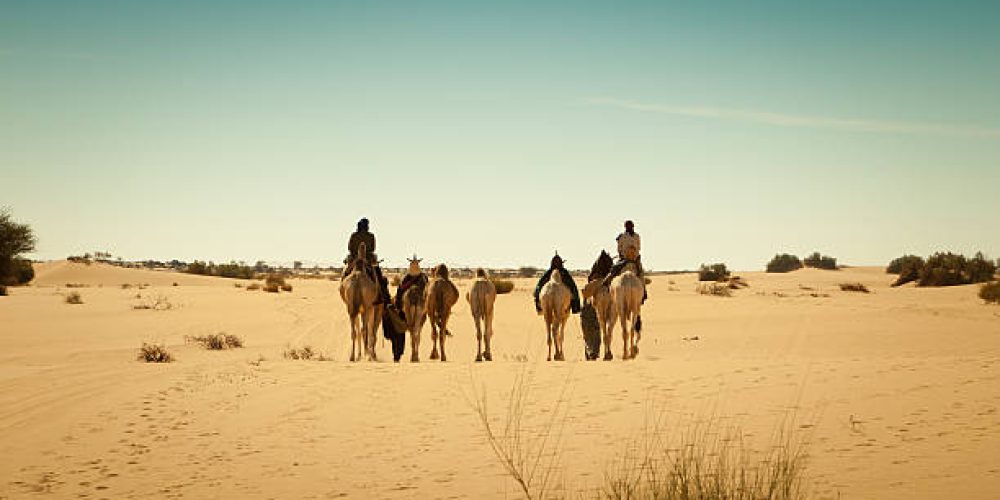
The southern desert regions, home to the stunning Akakus Mountains, are slowly reopening to specialized tours. However, authorities still restrict travel to many border areas due to safety concerns. Most itineraries currently focus on the safer northern coastline and the “Green Mountain” region in the east.
Travelers must constantly monitor international advisories before and during their trip. Political shifts can lead to sudden border closures or changes in visa requirements. Flexibility is the most important trait for anyone attempting to navigate this complex environment.
Libya is not yet ready for mass tourism. It remains a destination reserved for those who prioritize historical discovery over personal comfort. For those willing to accept the risks and restrictions, the reward is a unique encounter with an untouched world.









