

Key Points:
- Exposure to artificial light at night disrupts the body’s circadian rhythm, triggering physiological stress and arterial inflammation.
- Individuals sleeping in the brightest nighttime environments face up to a 56% higher risk of developing heart failure compared to those in dark rooms.
- These cardiovascular risks remain significant even after accounting for traditional factors like diet, exercise, smoking, and genetic predisposition.
New scientific data from a massive UK Biobank study has uncovered a direct link between nighttime light exposure and a surge in cardiovascular diseases. Researchers tracked over 88,000 adults using wrist-worn light sensors to measure personal exposure in real-world settings. The findings suggest that the body’s internal clock is far more sensitive to light during sleep than previously understood.
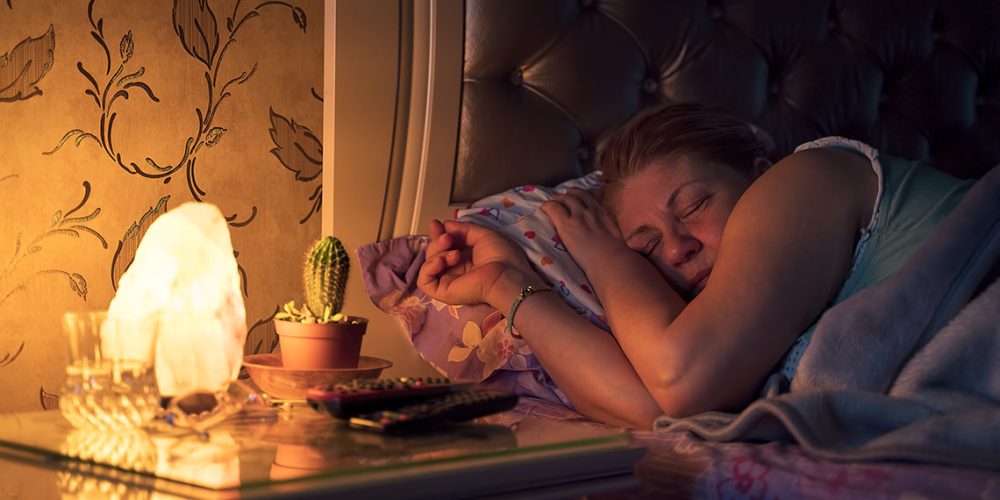
Artificial light during sleeping hours confuses the brain’s circadian pacemaker, which regulates vital processes like blood pressure and heart rate. When light hits the eyes at night, it suppresses melatonin and activates the sympathetic nervous system. This state of “biological alert” keeps blood pressure elevated and prevents the heart from reaching its necessary restorative state.
The study observed a clear dose-response relationship, meaning the brighter the room, the higher the danger to the heart. Those in the top tier of light exposure faced a 47% increased risk of heart attack and a 32% higher risk of coronary artery disease. Even small amounts of light from streetlamps or hallway bulbs were enough to impact long-term cardiovascular health.
Cardiologists believe that nighttime light acts as a silent stressor, triggering an immune response that inflames blood vessels. Over time, this chronic inflammation leads to the hardening of the arteries, a primary precursor to strokes. This process occurs independently of how well or how long a person actually believes they are sleeping.
The research also highlighted specific vulnerabilities among different demographics. Women appeared to have a higher susceptibility to heart failure and coronary artery disease linked to light exposure. Meanwhile, younger participants showed a more pronounced risk for developing atrial fibrillation, a common heart rhythm disorder.
These findings position light at night as a modifiable environmental risk factor similar to air pollution or second-hand smoke. Unlike genetic risks, light exposure is something individuals can control immediately to protect their health. Simple changes in the bedroom environment can drastically reduce the biological strain on the heart.
Health experts recommend a “blackout” approach to sleep hygiene for optimal protection. This includes using heavy curtains to block streetlights and turning off all electronic devices at least an hour before bed. If total darkness is impossible, wearing a well-fitted sleep mask provides a low-cost, effective barrier against intrusive light.
Policymakers are also being urged to consider these health implications when designing urban lighting. Modern streetlights and digital billboards contribute to a nearly universal glow in cities that prevents natural darkness. Shielding streetlamps and using motion-sensitive lighting could help reduce the community-wide risk of heart disease.
Ultimately, this research suggests that protecting our natural sleep rhythms is a powerful tool for longevity. As we navigate a world that never truly turns off, reclaiming the dark is essential for cardiovascular resilience. Your heart needs a break from the light just as much as your mind needs a break from the day.









