

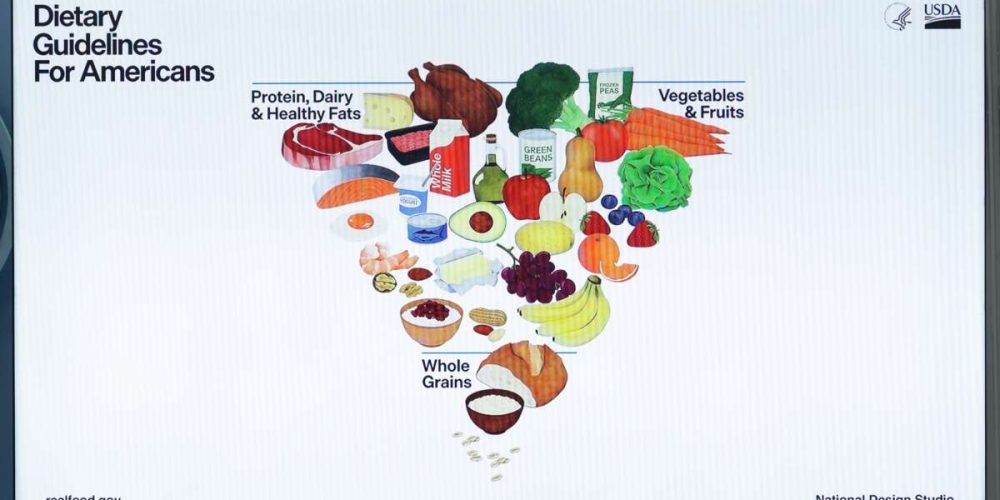
Key Points:
- New federal guidelines now permit full-fat dairy products as part of a balanced, heart-healthy diet.
- Health officials place a higher priority on diverse protein sources to support muscle maintenance and metabolic health.
- The updated framework discourages ultra-processed foods while emphasizing whole ingredients and reduced sugar intake.
The latest version of the Dietary Guidelines for Americans introduces a significant departure from previous nutritional advice. For years, health experts advised citizens to avoid saturated fats and choose low-fat dairy. The new 2026 standards acknowledge that whole-milk products can play a positive role in human health.
Evidence suggests that full-fat dairy may help with satiety and provide essential fat-soluble vitamins. Scientists now recognize that the total matrix of a food matters more than isolated fat content. This shift provides more flexibility for families looking to meet their daily nutritional needs.
Protein intake also receives a major spotlight in this legislative update. The guidelines encourage people to seek protein from a wider variety of sources. This includes lean meats, seafood, beans, and plant-based alternatives. Adequate protein supports aging populations by preventing muscle loss and maintaining strength.
The committee specifically addressed the dangers of ultra-processed foods in the modern diet. These items often contain hidden sugars and sodium that contribute to obesity and heart disease. The new advice promotes a “whole-food first” mentality to improve overall life expectancy.
Sugar consumption remains a primary target for federal health regulators. The updated report suggests even stricter limits on added sugars in beverages and snacks. Experts believe this change is necessary to reverse the current type 2 diabetes epidemic in the United States.
Health equity also plays a larger role in these revised recommendations. The guidelines now provide more culturally diverse food examples to reflect the American population. This inclusivity ensures that nutritional advice remains relevant to people from all backgrounds.
Public health advocates hope these changes will influence school lunch programs and hospital menus nationwide. Federal policy often dictates the types of food served in large-scale institutional settings. A shift toward better protein and dairy could improve the health of millions of children.
The new framework also considers the environmental impact of certain food choices. While health remains the priority, the report mentions the benefits of sustainable sourcing. This reflects a growing global trend toward mindful and ethical consumption.
Physicians and dietitians expect these updates to simplify patient counseling. Clearer advice on whole foods makes it easier for people to make sustainable changes. The focus on what to eat rather than what to avoid creates a more positive outlook.
Americans are encouraged to transition to these new standards gradually. Small shifts in daily habits can lead to significant long-term health improvements. By embracing protein and quality fats, the nation takes a bold step toward a healthier future.









