

Key Points:
- Travelers can now easily access Northern Ireland’s most famous coastal landmarks using a coordinated public transport network.
- Choosing rail and bus options significantly reduces the environmental impact of visiting popular sites like the Giant’s Causeway.
- Car-free journeys offer a more relaxed pace and unique perspectives of the rugged Irish Sea cliffs and glens.
Northern Ireland’s Antrim Coast stands as one of the most beautiful shorelines in the world. Most tourists believe they need a rental car to see these remote wonders. However, a new shift in travel habits proves that public transport offers a superior experience. Exploring this rugged landscape without a steering wheel is now easier than ever.
The journey typically begins in the vibrant city of Belfast. From here, modern trains run frequently toward the northern shoreline. Passengers enjoy sweeping views of the countryside while heading toward the historic town of Coleraine. This rail link serves as the primary artery for the entire coastal region.
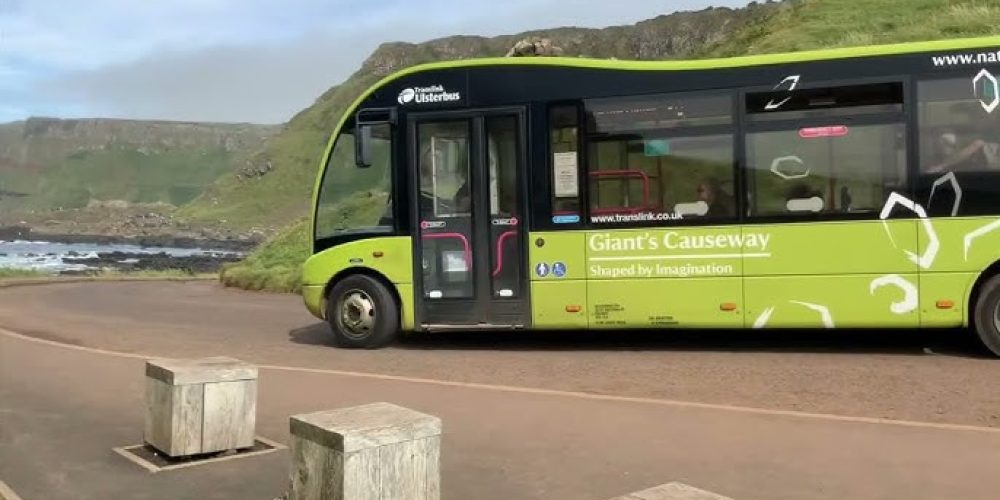
Once travelers reach the coast, a dedicated bus network takes over. The Causeway Rambler service specifically connects all the major tourist hotspots. It allows visitors to hop on and off at their own leisure. This system removes the stress of navigating narrow, winding roads and crowded parking lots.
The Giant’s Causeway remains the crown jewel of the Antrim Coast. Arriving by bus often provides a more seamless entry than driving a private vehicle. Visitors can spend hours wandering over the hexagonal basalt columns. They don’t have to worry about expiring parking meters or traffic jams.
Further along the path, the Carrick-a-Rede rope bridge offers a thrilling challenge. Public buses drop hikers within a short walking distance of the cliffs. The walk from the bus stop provides stunning views of the Atlantic Ocean. On clear days, travelers can even spot the Scottish coastline in the distance.
The small seaside town of Ballycastle serves as an ideal base for car-free adventurers. It offers local charm and easy access to the ferry for Rathlin Island. This island is a sanctuary for puffins and seals. It remains one of the most peaceful spots in the British Isles.
Sustainability plays a major role in the rise of car-free tourism. Reducing the number of vehicles helps preserve the delicate clifftop ecosystems. It also keeps the air clean for local residents and future generations of hikers. Many visitors now prioritize eco-friendly choices when planning their annual holidays.
Traveling by bus also fosters a sense of community among tourists. You share stories and tips with fellow travelers from around the globe. Local drivers often provide colorful commentary about the history of the passing glens. These human connections add a layer of depth that solo driving lacks.
Dining and drinking also become more enjoyable when you leave the car behind. Visitors can sample local whiskeys at the Bushmills Distillery without safety concerns. They can enjoy a pint of stout in a traditional pub before catching the evening bus. It creates a much more relaxed and authentic vacation atmosphere.
The Antrim Coast proves that slow travel is the best travel. By slowing down, you notice the small details of the limestone cliffs and green valleys. This car-free model serves as a blueprint for sustainable tourism worldwide. Northern Ireland invites everyone to enjoy the view without the stress of the drive.









