

Key Points:
- The Trump administration restricted RSV immunizations to high-risk babies despite data showing the shots are 81% effective.
- Health experts warn that 81% of infants hospitalized for RSV have no preexisting conditions and will now lose access.
- New restrictions led by Robert F. Kennedy Jr. have sparked fears of hospital bed shortages as respiratory season peaks.
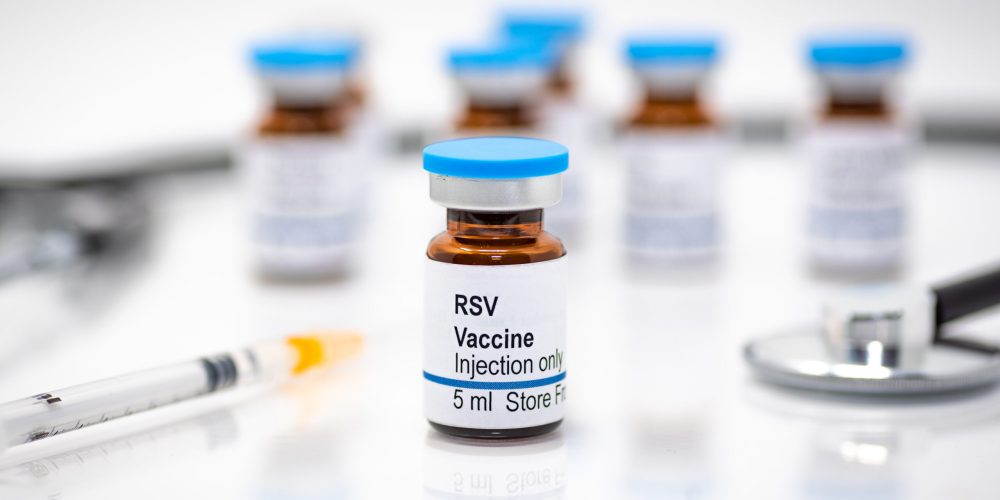
New data reveals that RSV immunizations significantly reduce hospitalizations among young children. Despite these findings, the Trump administration has introduced strict new limits on their use. Health officials now recommend the shots only for babies deemed to be at high risk. This policy shift marks a major departure from previous universal recommendations for all infants.
Prominent vaccine critic Robert F. Kennedy Jr. led the announcement for the new health restrictions. The changes affect roughly one-third of all routine childhood vaccines currently used in the United States. Experts worry that limiting access will cause a resurgence in severe respiratory illnesses during peak seasons. Historically, hospitals frequently ran out of beds for infants struggling with respiratory syncytial virus.
Recent studies published in JAMA confirm that the shots are highly effective at preventing severe disease. One report found the newborn immunization is 81 percent effective at stopping hospitalizations. Doctors emphasize that most babies hospitalized with the virus have no underlying health conditions. By targeting only high-risk groups, the new policy could miss the vast majority of potential cases.
The RSV treatment for infants utilizes monoclonal antibodies rather than traditional vaccine technology. These lab-made proteins provide immediate protection for several months before naturally fading away. Pediatricians expressed surprise at the new restrictions given the long safety record of antibody treatments. Many noted that even vaccine skeptics typically support antibody therapies for acute illnesses.
The federal government has also launched an investigation into the safety of these preventative shots. Official claims suggest a higher death rate in clinical trials, though experts call these figures statistically insignificant. Most recorded deaths occurred months after treatment and resulted from unrelated causes like dehydration. Millions of infants have already received the shots with no confirmed safety problems.
Medical professionals warn that these restrictions will create massive confusion within the healthcare system. Pediatricians and hospitals must now navigate a fragmented landscape to determine who qualifies for the treatment. If offices stop stocking the shots, even high-risk babies might struggle to access them. This breakdown in coordination could leave the most vulnerable children without protection.
Cost remains another significant barrier for families under the new restrictive guidelines. Over half of American children rely on federal programs like Vaccines for Children for their immunizations. While officials claim the shots remain available through Medicaid, experts fear that funding could eventually disappear. Without insurance coverage, many parents will find the treatment prohibitively expensive.
The definition of “high risk” also remains a point of intense debate among clinicians. Some experts argue that simply being an infant makes a child vulnerable to severe respiratory distress. They maintain that a universal recommendation is the only way to ensure broad public health safety. The current policy leaves local doctors to decide which children deserve the limited supply.
As the respiratory season intensifies, the medical community continues to advocate for wider access. They view the current restrictions as a political decision lacking a solid scientific foundation. For now, parents and providers face an uncertain winter as they wait for further clarity on vaccine policy.









