

Key Points:
• Wegovy pills and injections work through the same GLP-1 mechanism but differ in dosing, absorption, and convenience.
• Injectable Wegovy currently shows stronger and more consistent weight-loss results than oral alternatives.
• Side effects and contraindications remain similar, requiring medical screening before starting either option.
Interest in medical weight-loss treatments continues to surge as more people seek alternatives to traditional diet plans. Wegovy, a brand name for semaglutide, has emerged as one of the most discussed options. While injections remain the most common form, growing attention now focuses on pill-based versions and how they compare.
Wegovy belongs to a class of drugs called GLP-1 receptor agonists. These medicines mimic hormones that regulate appetite and blood sugar. By slowing digestion and increasing feelings of fullness, they help people eat less over time. Doctors initially prescribed GLP-1 drugs for diabetes, before studies confirmed their weight-loss benefits.
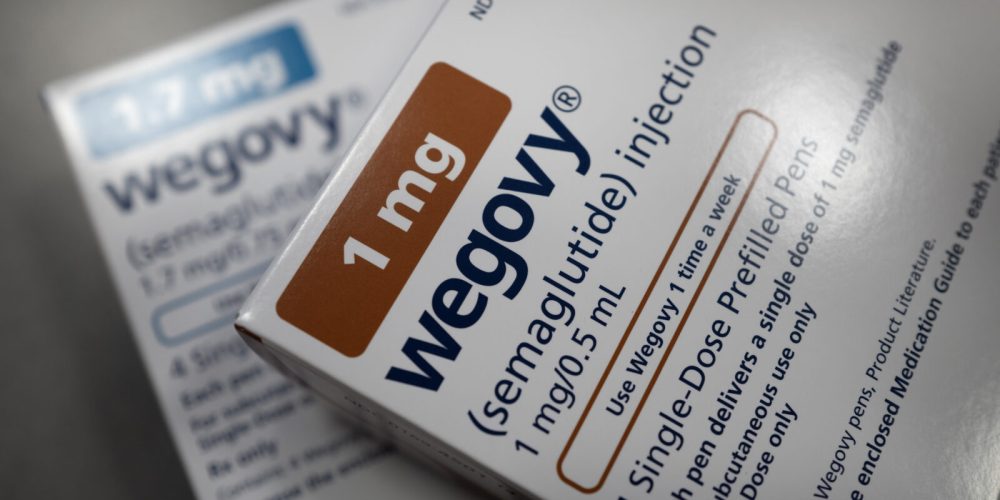
Injectable Wegovy delivers semaglutide through weekly shots. This method allows steady absorption into the bloodstream. Clinical trials show many patients lose significant body weight over several months when injections combine with lifestyle changes. Because of this evidence, injections remain the standard form approved for obesity treatment.
Oral versions of semaglutide aim to offer greater convenience. Pills appeal to patients uncomfortable with injections or frequent needle use. However, oral semaglutide must pass through the digestive system. This process reduces how much active drug reaches the bloodstream, requiring precise dosing and strict timing rules.
Current research suggests injectable Wegovy produces stronger and more reliable weight loss than pills. Studies indicate injections lead to higher average weight reductions. Pills still show meaningful results, but outcomes vary more between patients. Doctors note that adherence challenges also influence pill effectiveness.
Side effects appear largely similar across both forms. Common issues include nausea, vomiting, diarrhea, and constipation, especially during early treatment stages. These symptoms usually lessen as the body adjusts. Slow dose increases help reduce discomfort and improve tolerance.
More serious risks remain rare but important. Both pills and injections carry warnings for pancreatitis, gallbladder disease, and potential thyroid tumors. People with a personal or family history of medullary thyroid cancer should avoid semaglutide entirely. Physicians also screen patients with severe gastrointestinal conditions.
Another key difference involves dosing schedules. Injectable Wegovy follows a weekly routine, which many patients find easy to maintain. Pills often require daily intake on an empty stomach, followed by waiting before eating or drinking. These rules can complicate daily routines and reduce consistency.
Cost and availability also influence decisions. Injections often cost more but benefit from stronger insurance recognition. Pill versions may face coverage limitations or higher out-of-pocket expenses. Supply shortages of injectable drugs have further increased interest in oral alternatives.
Experts stress that neither form suits everyone. Medical history, lifestyle preferences, and tolerance levels all shape treatment choice. Doctors recommend discussing goals, risks, and expectations before starting any GLP-1 medication. Ongoing monitoring ensures safety and helps adjust doses as needed.
Looking ahead, researchers continue refining oral formulations to improve absorption and effectiveness. New trials aim to close the performance gap between pills and injections. Until then, injectable Wegovy remains the most proven option for significant, sustained weight loss.
Ultimately, Wegovy pills and injections represent tools, not cures. Long-term success still depends on balanced nutrition, physical activity, and medical guidance. Patients benefit most when treatment aligns with personalized health needs and realistic expectations.









