

Key Takeaways:
• Canada’s Nahanni River offers a dramatic paddling route through deep canyons and untouched wilderness.
• The area, often called Canada’s Grand Canyon, remains one of North America’s most remote travel experiences.
• Growing interest reflects a shift toward slow, immersive adventure travel in protected natural landscapes.
A remote stretch of northern Canada is drawing renewed attention from adventure travellers seeking raw wilderness experiences. Deep inside the Northwest Territories, the Nahanni River cuts through towering limestone canyons, creating what many call Canada’s answer to the Grand Canyon. Reaching this landscape requires effort, patience, and respect for nature.
The Nahanni region sits far from roads and cities. Most visitors arrive by small aircraft before beginning their journey on water. Paddling the river becomes both transportation and experience, allowing travellers to move slowly through one of the country’s most dramatic environments. This isolation preserves the area’s natural beauty and sense of discovery.
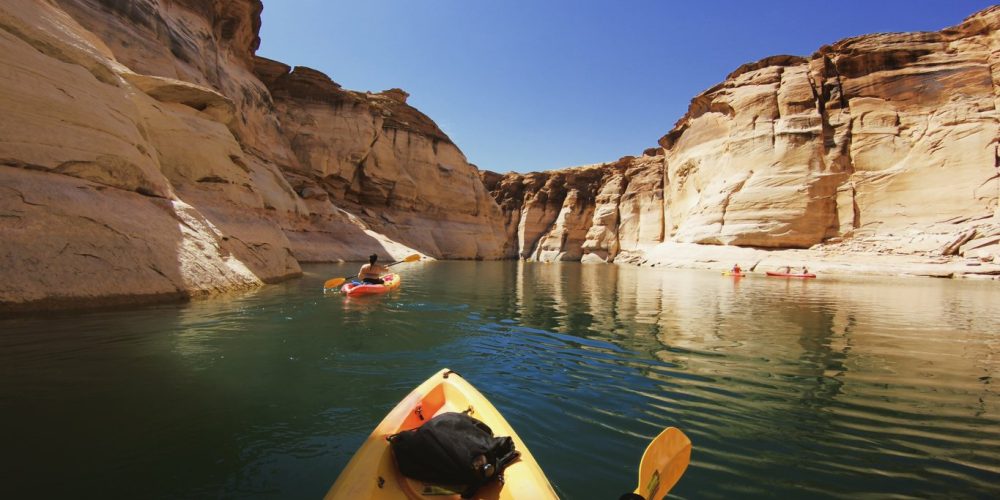
Steep canyon walls rise hundreds of metres above the river, changing colours with shifting light. Waterfalls plunge from hidden valleys, while hot springs steam beside cold currents. Wildlife sightings remain common, with paddlers often encountering moose, bears, eagles, and caribou along the banks. The landscape feels largely unchanged by modern development.
The area holds deep cultural and ecological importance. Indigenous Dene people have lived along the river for generations, using its waters for travel, trade, and survival. Their knowledge of the land shapes modern conservation efforts, ensuring tourism respects both nature and cultural heritage. This stewardship remains central to the region’s identity.
Nahanni National Park Reserve protects much of the river system. It gained early recognition as one of Canada’s first UNESCO World Heritage Sites. That status reflects its rare geological formations, biodiversity, and cultural value. Strict limits on visitor numbers help prevent overcrowding and environmental damage.
Paddling trips typically last one to two weeks. Travellers must prepare carefully, carrying supplies, navigating unpredictable weather, and managing strong currents. Rapids vary in difficulty, making guided trips popular for those lacking technical river experience. Even experienced paddlers respect the river’s power and remoteness.
The journey offers more than physical challenge. Many travellers describe a mental shift after days without digital connection or external noise. Time slows, conversations deepen, and awareness sharpens. The rhythm of paddling encourages reflection, making the trip as transformative emotionally as it is physically demanding.
Interest in the Nahanni reflects a wider travel trend. Increasing numbers of travellers now seek meaningful, nature-based experiences over crowded destinations. Remote river journeys offer privacy, sustainability, and deeper engagement with landscapes. The Nahanni stands out because access remains limited and carefully managed.
Climate change also shapes conversations around the region. Melting permafrost, shifting river levels, and changing wildlife patterns raise concerns about long-term preservation. Parks officials and Indigenous leaders monitor these changes closely, balancing tourism with protection. Visitors increasingly view their presence as a privilege rather than entitlement.
For those willing to invest time, preparation, and effort, the Nahanni River delivers a rare reward. It offers silence, scale, and a sense of humility before nature. As modern life accelerates, this wild canyon reminds travellers why untouched places still matter deeply.









