

Key Points:
- Experts say engaging in the arts can reduce stress and improve mental and physical health.
- Creative activities like music, dance, and exhibitions support emotional resilience and cognitive strength.
- Making art part of daily life may help prevent depression and age-related decline.
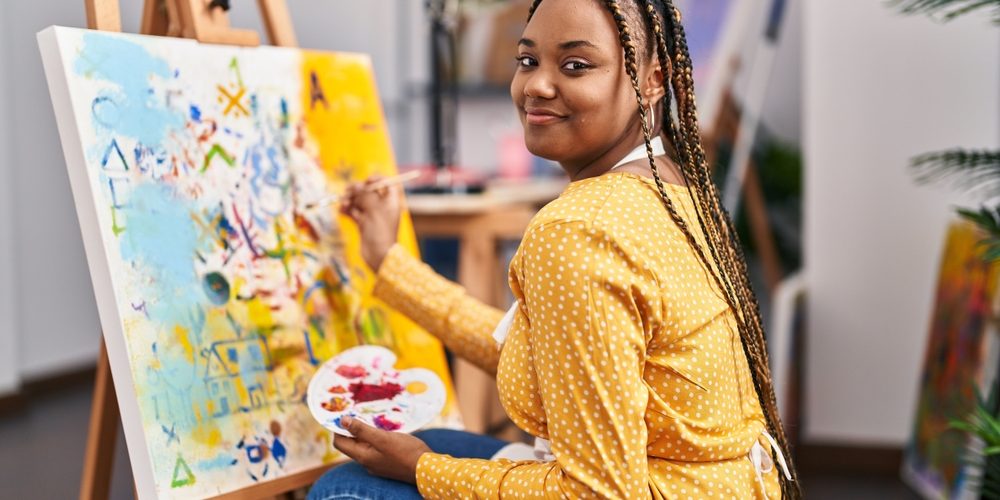
A growing body of evidence suggests that art offers far more than aesthetic pleasure; it actively supports health and well being. Rather than chasing diet trends or fitness fads, experts recommend incorporating artistic experiences into daily routines. Studies show that creative activities can reduce anxiety, ease depression symptoms, and lower stress hormones.
Scientific research links arts engagement—including singing, dancing, and visual art—to activation of the brain’s reward networks. These neural circuits also light up with activities like eating, social connection, and exercise, offering emotional uplift and increased resilience. Regular creative involvement meets core psychological needs such as autonomy, mastery, and emotional regulation.
The benefits extend beyond psychology. Neuroscience studies reveal that creative engagement strengthens connections between brain regions tied to memory and emotion, strengthening cognitive reserve. This reserve helps slow cognitive decline and may delay the onset of diseases like dementia. Participants in regular artistic activities often perform better on cognitive tests as they age.
Art influences the body as well. Activities like dancing synchronise breath, heart rate, and movement, helping decrease blood pressure and blood sugar levels. Music that matches workout rhythms can enhance physical performance, making exercise feel more effortless and enjoyable. Arts engagement also appears to boost immune function and reduce inflammation, with physiological benefits akin to those seen with traditional exercise.
Viewing art in galleries and cultural spaces produces measurable health effects too. Research has found that simply looking at original artworks can lower stress hormones and reduce inflammation markers. These physiological changes highlight art’s potential as a preventative health tool, rather than just a leisure activity.
Experts encourage broad exploration of cultural activities. Visiting exhibitions, attending live music, participating in theatre, and reading imaginative literature all contribute to wellbeing. Each form of artistic engagement offers unique emotional and cognitive benefits, from fostering empathy to sparking joy. Even playful activities like imaginative games or performance art can help people cope with stress and build mental flexibility.
Creative hobbies also offer social benefits. Shared art experiences like community choirs, theatre groups, or painting classes create connection and reduce loneliness, which is itself a risk factor for poor health. These shared moments build supportive networks that contribute to emotional stability and life satisfaction.
Critically, art should not be seen as a luxury reserved for the few. Research shows that benefits occur across demographics regardless of socio-economic status, lifestyle, or genetic background. Engaging with the arts—whether at home, in local cultural centres, or even through digital platforms—can be accessible and meaningful.
Healthcare professionals increasingly recognise creative engagement as a complementary wellness strategy. Some health systems are exploring “arts prescriptions” that integrate cultural activities into treatment plans. This approach broadens preventive care and reduces reliance on conventional medical interventions alone.
As 2026 unfolds, reshaping lifestyle goals to include regular artistic engagement may offer a richer path to wellbeing. Whether through dance, music, painting, or simply visiting a gallery, art provides accessible tools for emotional balance, cognitive health, and physical resilience.









