

Key Points:
- Sudden flight suspensions involving Venezuela left travelers stuck across Caribbean islands.
- Political tensions and aviation restrictions triggered cancellations with little warning.
- Stranded passengers faced rising costs, limited support, and uncertain return timelines.
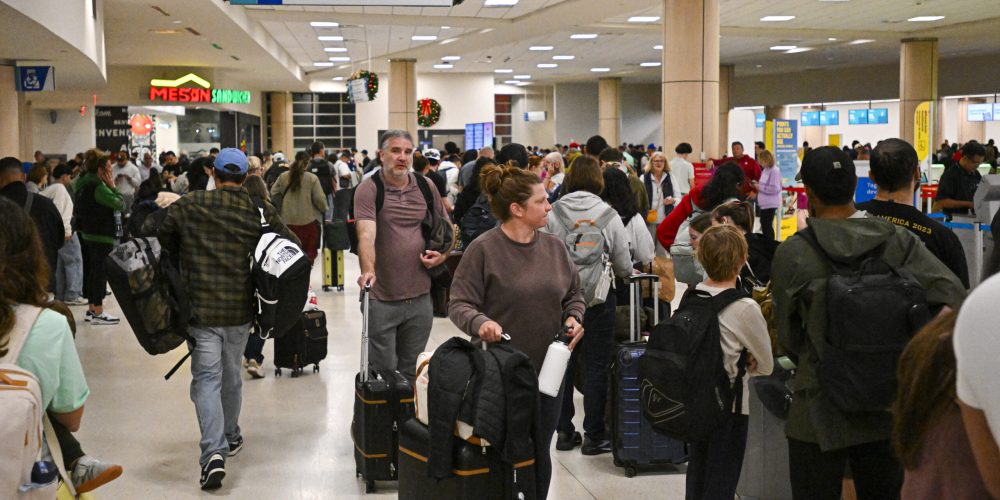
Air travelers across the Caribbean recently faced unexpected disruption after flights linked to Venezuela were abruptly halted. Many passengers found themselves stranded on island stopovers, unable to continue journeys or return home. The situation exposed how political decisions can ripple quickly through regional travel networks.
The disruption followed changes in aviation permissions affecting routes between Venezuela and neighboring destinations. Airlines canceled flights with little notice, citing regulatory uncertainty. Travelers en route to family visits, holidays, or work suddenly lost onward connections, leaving them scrambling for accommodation and alternative transport options.
Several Caribbean islands became unintended holding points. Hotels filled quickly as passengers extended stays beyond planned departures. Many travelers reported rising costs for lodging, meals, and rebooking fees. Limited flight availability during peak travel season further complicated efforts to find replacement routes.
Airlines struggled to provide consistent guidance. Some carriers offered partial refunds or credits, while others deferred decisions pending regulatory clarity. Passengers described long waits for customer service responses. Without clear timelines, many travelers faced difficult choices between costly rerouting and indefinite delays.
The episode highlighted the Caribbean’s reliance on Venezuela as a regional air hub. Although tourism dominates island economies, many routes depend on Venezuelan connections for affordability and frequency. When those links disappear, travelers face fewer options and higher prices, especially on short notice.
Political tensions played a central role. International restrictions affecting Venezuela’s aviation sector have intensified in recent years. These measures complicate insurance, maintenance, and compliance for airlines operating in the region. Even indirect routes can suffer when approvals change suddenly.
Stranded travelers described emotional strain alongside financial stress. Some missed work commitments, medical appointments, or family events. Others worried about overstaying visas or exhausting travel budgets. Consular assistance remained limited, as many disruptions fell outside emergency evacuation frameworks.
Tourism officials across the Caribbean expressed concern about reputational damage. Destinations pride themselves on reliability and hospitality. Sudden travel chaos risks discouraging visitors, especially those unfamiliar with regional political dynamics. Industry leaders urged clearer communication and contingency planning to protect travelers.
Experts say similar disruptions could recur. The Caribbean’s interconnected air network leaves it vulnerable to geopolitical shifts beyond its control. Travelers increasingly need flexible bookings and travel insurance. Airlines and governments may also need stronger coordination to manage sudden route changes.
The stranded passengers’ experience underscores a broader lesson. Global travel now depends as much on politics as logistics. When routes vanish overnight, ordinary travelers bear the cost. Greater transparency and preparedness remain essential as international tensions continue shaping the skies.









