

Key Points:
- British Chinese takeout evolved with unique dishes, flavors, and textures not found in the United States.
- Immigration history and local tastes shaped Chinese food differently in the UK and the US.
- Popular items like sweet and sour dishes reflect cultural adaptation rather than traditional Chinese cooking.
Chinese takeout feels familiar worldwide, yet the experience changes dramatically between countries. In United Kingdom, Chinese takeaway menus often surprise American visitors. Dishes, flavors, and even presentation differ enough to feel like an entirely new cuisine, despite sharing similar names and inspirations.
The roots of these differences trace back to migration patterns. Chinese immigrants arrived in Britain earlier and under different economic conditions. Many settled in working-class areas and adapted recipes to local ingredients. Over time, these adjustments created a British-Chinese food identity shaped by accessibility, affordability, and regional taste preferences.
In United States, Chinese food developed along a separate path. Larger immigration waves and regional diversity allowed for broader experimentation. American Chinese cuisine leaned toward bold flavors, generous portions, and sweeter sauces, catering to diners seeking comfort food with familiar textures and tastes.
British Chinese takeout often emphasizes lighter textures and balanced sauces. Chips frequently appear alongside stir-fries, reflecting British fast-food culture. Dishes like curry sauce over rice or crispy shredded beef became staples, even though they rarely appear on American menus. These items evolved to match British dining habits and expectations.
Sweet and sour dishes highlight the contrast. In Britain, sauces usually appear thinner and less sugary. In the United States, versions tend to taste sweeter and heavier, often paired with battered meats. Both styles move far from traditional Chinese cooking, showing how local palates influence culinary adaptation.
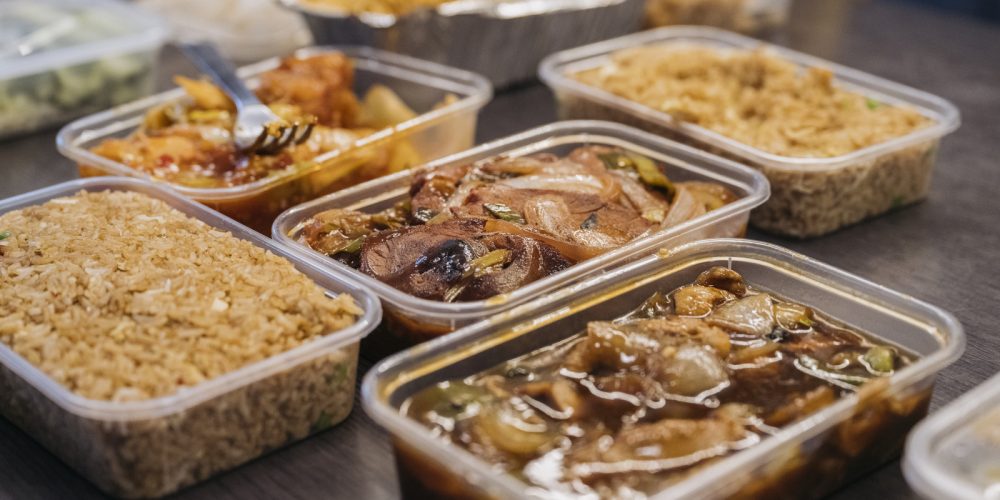
Portion size also marks a clear difference. American Chinese takeout often arrives in large containers designed for sharing or leftovers. British portions skew smaller and more individualized, reflecting different eating patterns. This distinction shapes how meals feel, from casual solo dinners to group feasts.
Menu variety further separates the two cultures. American takeout menus often span regional Chinese influences, including Szechuan or Hunan-inspired items. British menus usually remain more standardized, focusing on familiar favorites rather than regional specialization. This consistency helped British Chinese takeaways thrive nationwide.
Cultural perception plays a role as well. In Britain, Chinese takeaway historically filled a late-night niche, competing with fish and chips or kebabs. In the United States, Chinese food became an all-day option, commonly ordered for family dinners or celebrations. These roles influenced pricing, packaging, and menu structure.
Despite differences, both versions share a common theme of adaptation. Neither represents traditional Chinese home cooking. Instead, they reflect how immigrant communities adjusted recipes to survive and succeed in new environments. These cuisines tell stories of resilience, creativity, and cultural exchange through food.
Today, growing interest in authentic regional Chinese cuisine challenges these older takeout styles. Still, classic British and American Chinese dishes remain popular. They continue serving comfort, nostalgia, and a sense of familiarity shaped by decades of local tradition rather than culinary authenticity.









