

Key Points:
- Cancer survivors who follow multiple heart-healthy behaviors live significantly longer than those who do not.
- Simple lifestyle changes reduce cardiovascular risk, a major cause of death after cancer treatment.
- Benefits increase steadily as survivors adopt more healthy habits over time.
New research highlights how everyday heart-healthy behaviors may significantly extend life after cancer. The study tracked cancer survivors over time and found that those following healthier lifestyles faced much lower risks of early death. Cardiovascular disease emerged as a major threat after cancer, making heart health a critical focus for survivorship care.
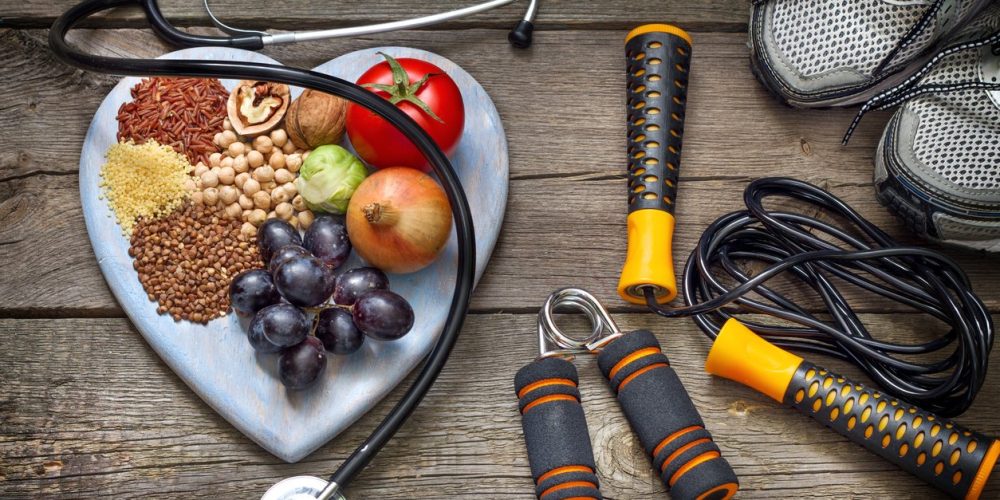
Researchers examined seven established heart-healthy behaviors and measured their combined impact on longevity. These habits included regular physical activity, balanced nutrition, maintaining a healthy weight, not smoking, moderate alcohol use, quality sleep, and good blood pressure control. Each behavior contributed independently, but the strongest benefits appeared when survivors followed several habits together.
Cancer treatments often strain the heart and blood vessels, increasing long-term cardiovascular risks. Chemotherapy, radiation, and hormone therapies may leave lasting effects even years after remission. The study suggests that lifestyle choices can offset these risks, helping survivors regain control over their long-term health outcomes.
Survivors who adopted four or more heart-healthy behaviors showed markedly lower death rates. The protective effect increased consistently with each additional habit. Researchers observed benefits regardless of cancer type, age, or time since diagnosis, indicating these strategies remain valuable across diverse survivor populations.
Physical activity played a particularly important role. Even moderate exercise, such as brisk walking, supported heart function and improved metabolic health. Researchers emphasized that survivors do not need intense workouts. Consistent movement tailored to individual ability provided measurable gains without excessive strain.
Nutrition also emerged as a powerful factor. Diets rich in fruits, vegetables, whole grains, and lean proteins supported cardiovascular health while reducing inflammation. Survivors who limited processed foods and excessive sugar experienced better weight control and healthier cholesterol levels, which further reduced heart-related risks.
Smoking cessation produced one of the most dramatic improvements. Former smokers showed rapid risk reductions compared to those who continued smoking. Limiting alcohol intake also mattered, as heavy drinking increased both cardiovascular strain and cancer recurrence risk. The findings reinforce public health guidance promoting moderation.
Sleep quality and weight management contributed additional protection. Poor sleep and obesity often worsen blood pressure and insulin resistance. Survivors maintaining regular sleep schedules and healthier body weights experienced improved heart markers and lower overall mortality rates. These habits proved achievable with gradual lifestyle adjustments.
Experts say the findings support a shift toward integrated survivorship care. Oncologists and primary care providers increasingly encourage lifestyle counseling alongside routine follow-ups. Rather than focusing only on cancer recurrence, clinicians now stress heart health as a key pillar of long-term survival.
Researchers caution that lifestyle changes cannot replace medical treatment, but they offer powerful complementary benefits. The study reinforces that survivors retain meaningful influence over their future health. By embracing heart-healthy behaviors, cancer survivors may not only live longer but enjoy better quality of life.









