

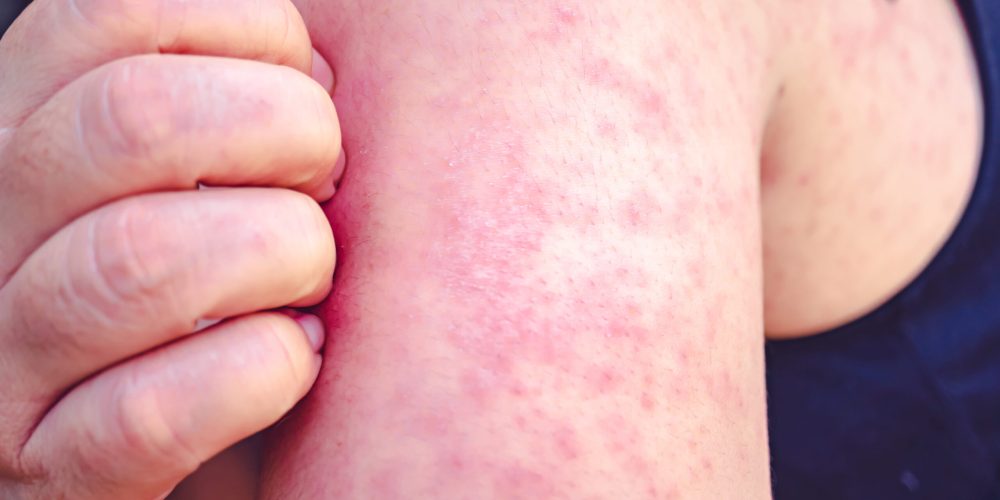
Key Points:
- Measles cases continue rising worldwide due to declining childhood vaccination coverage.
- Health officials warn that misinformation and disrupted healthcare access worsen outbreak risks.
- Experts stress urgent vaccination efforts to prevent severe illness and avoidable deaths.
Measles cases continue to spread across multiple countries, raising alarm among public health officials. Once close to elimination in many regions, the disease now resurfaces with increasing frequency. Experts link this trend to falling vaccination rates, pandemic-related healthcare disruptions, and growing misinformation about vaccine safety. The outbreaks affect both developed and developing nations.
Health authorities report that measles spreads quickly because it remains one of the most contagious viruses. A single infected person can pass the virus to many others through airborne droplets. Unvaccinated children face the highest risk, though adults without immunity also remain vulnerable. Hospitals in several regions have already treated clusters of preventable cases.
Doctors warn that measles complications extend beyond fever and rash. Severe cases can cause pneumonia, brain swelling, blindness, and even death. Young children, pregnant women, and people with weakened immune systems face the greatest danger. Despite medical advances, measles still claims lives each year, especially where healthcare access remains limited.
Public health experts highlight declining vaccination coverage as the main driver of new outbreaks. Many countries now fall below the recommended immunization threshold needed to maintain herd immunity. Pandemic lockdowns disrupted routine childhood vaccinations, leaving millions of children unprotected. Catch-up programs have struggled to close these growing immunity gaps.
Misinformation has also played a powerful role in declining vaccine confidence. False claims circulating online have fueled parental hesitancy, even in countries with strong healthcare systems. Health professionals stress that the measles vaccine remains safe, effective, and essential. Decades of research support its ability to prevent serious illness and community spread.
Global organizations warn that measles outbreaks signal broader weaknesses in public health systems. When routine immunization falters, other preventable diseases may also return. Officials emphasize that measles acts as an early warning indicator, revealing where healthcare access, trust, and outreach efforts need strengthening.
In the United States, health officials continue monitoring localized outbreaks linked to unvaccinated communities. While national vaccination rates remain relatively high, regional pockets of low coverage create openings for rapid spread. Similar patterns appear across Europe, Asia, and parts of Africa, where outbreaks strain local health services.
Experts urge governments to invest in stronger immunization programs and public education campaigns. Mobile clinics, school-based vaccinations, and trusted community outreach can help rebuild confidence. Clear communication from healthcare providers remains crucial to counter misinformation and address parental concerns effectively.
Doctors also remind adults to check their vaccination status, especially before international travel. Measles spreads easily across borders, and travelers can unknowingly carry the virus home. Ensuring full vaccination protects individuals and reduces the risk of triggering new outbreaks in vulnerable communities.
Public health leaders agree that measles resurgence remains preventable. Vaccines offer a simple, proven solution that saves lives and protects healthcare systems. Without swift action, experts warn outbreaks may continue growing, reversing decades of progress against one of the world’s most preventable infectious diseases.









