

Key Points
- Bulgaria has become the eurozone’s 21st member despite deep political instability and public division.
- Younger and urban populations largely welcome the euro, while older and rural groups remain skeptical.
- The country’s economic future now depends on reforms that follow the currency transition.
Bulgaria has officially adopted the euro, becoming the 21st country to join the eurozone after a long and politically fragile journey. The move places the Balkan nation firmly within Europe’s economic core, following earlier milestones such as NATO membership, EU accession, and entry into the Schengen travel area. Yet the shift also exposes sharp social, generational, and political divisions at home.
For younger, urban, and business-oriented Bulgarians, the euro represents opportunity and stability. Many already conduct trade, travel, and property transactions in euros. Millions of Bulgarians living abroad regularly send money home in the single currency. For this group, the euro feels less like a revolution and more like a formal recognition of existing economic reality.
The reaction is very different in rural and older communities. Many citizens view the disappearance of the lev, Bulgaria’s currency since 1881, as a loss of identity. The lev has strong historical symbolism, even though it has been tightly pegged to European currencies since the late 1990s. Fear of rising prices and shrinking purchasing power remains widespread.
Public opinion reflects this divide. Surveys show the population almost evenly split over euro adoption. Political instability has further complicated the transition. Bulgaria has experienced repeated elections in recent years, and the current government lost a confidence vote in December. Calls for a referendum on the euro gained traction but failed to materialize, deepening frustration among opponents.
Small business owners express mixed emotions. Some blame the euro debate for slowing consumer spending, especially during a period of high inflation. Others see the currency change as largely technical, noting that large purchases have long been priced in euros. Shopkeepers across the country prepared months in advance, stocking euro coins and notes to ensure a smooth transition.
During January, Bulgarians can still pay using either currency, though change must be given in euros. From February onward, the lev will no longer be accepted. To prevent unfair price increases, authorities introduced strict monitoring systems. Dual price displays have been mandatory since August, and regulators promised swift action against unjustified rounding.
The conversion rate makes calculations relatively straightforward, with one euro worth just under two lev. Some prices have even dropped slightly, including public transport fares in Sofia. These measures aim to ease fears that the euro will automatically make daily life more expensive.
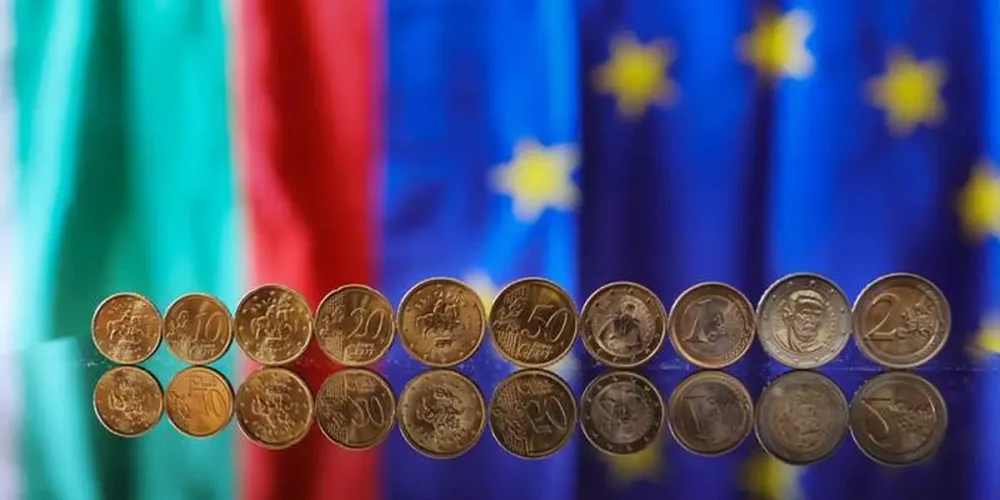
Symbolism played a key role in the transition. Bulgaria’s euro coins feature national figures and historic images, reinforcing continuity rather than loss. Religious leaders, medieval monuments, and symbols of early statehood appear prominently, signaling that national identity remains intact despite the currency change.
The long-term impact remains uncertain. Supporters hope Bulgaria will follow the Baltic states, which paired euro adoption with reforms, investment growth, and anti-corruption efforts. Skeptics fear a slower path marked by stagnation, similar to Italy’s experience. As Bulgaria begins life in the eurozone, optimism and anxiety continue to coexist.









