

Key Points
- Gold and silver posted their strongest annual gains in decades, driven by rate-cut expectations and global uncertainty.
- Central bank buying and safe-haven demand played a major role in pushing prices to record highs.
- Analysts warn that strong 2025 gains could increase the risk of price corrections in 2026.
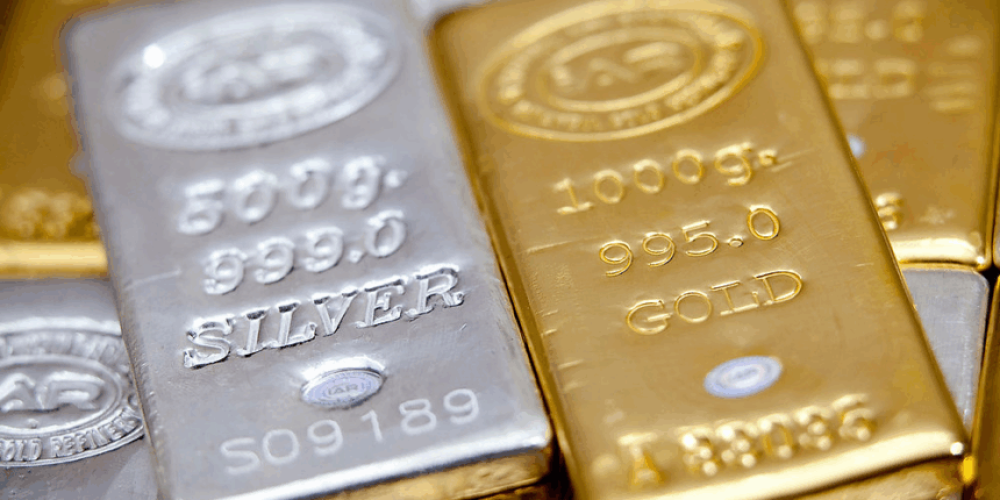
Gold and silver are wrapping up 2025 after one of their most dramatic years in decades. Prices surged to record levels before pulling back slightly at year-end, reflecting both strong investor demand and growing caution. Market analysts say the precious metals boom reflects global uncertainty, easing monetary policy expectations, and a renewed search for stability after a turbulent year.
Gold prices climbed more than 60% in 2025, briefly topping $4,549 per ounce before easing to around $4,330 at the close of the year. That performance marks the metal’s strongest annual gain since 1979. Silver followed a similar path, reaching a historic high above $83 per ounce before settling near $71, still representing a massive yearly increase.
Expectations of interest rate cuts played a central role in driving prices higher. Investors anticipated that the US Federal Reserve would begin easing borrowing costs in 2026. Lower interest rates typically boost gold and silver because they reduce the appeal of yield-bearing assets, making non-interest investments more attractive.
Central bank activity also supported the rally. Monetary authorities worldwide added hundreds of tonnes of gold to their reserves during the year. This steady institutional buying signaled long-term confidence in gold as a store of value amid inflation concerns, rising debt levels, and geopolitical risks.
Market volatility further pushed investors toward precious metals. Uncertainty around global trade policies, stock market swings, and fears of an artificial intelligence valuation bubble encouraged demand for assets seen as safe havens. Gold, in particular, benefited from its reputation as protection during economic stress.
Silver gained additional momentum from supply pressures and industrial demand. Analysts pointed to tight supply conditions and growing use in manufacturing, clean energy, and electronics. China’s decision to restrict silver exports added another layer of support, raising concerns about future availability in global markets.
Investment flows also played a major role. Large amounts of capital entered precious metals through exchange-traded funds. These products allow investors to gain exposure without holding physical bullion, making gold and silver easier to trade during periods of uncertainty.
Despite the strong performance, experts caution that the sharp rise may create risks in 2026. Assets that deliver exceptional gains often face corrections when investors take profits. Gold’s liquidity and strong recent returns could make it a first target if markets face stress or sudden sell-offs.
Analysts expect gold to remain supported next year but with slower, steadier gains. Continued central bank buying, geopolitical tensions, and concerns over government debt may sustain demand. However, fewer dramatic price jumps are likely after such a powerful rally.
Silver’s outlook appears more volatile. Industrial demand could drive further gains, but sharp pullbacks remain possible. Experts warn that silver often experiences stronger price swings than gold, especially when speculative investment flows change direction quickly.
As 2026 approaches, gold and silver remain central to investor strategies. Their performance will depend on interest rate decisions, global trade developments, and market confidence. While the record-breaking year may be over, precious metals are expected to stay firmly in focus.









