

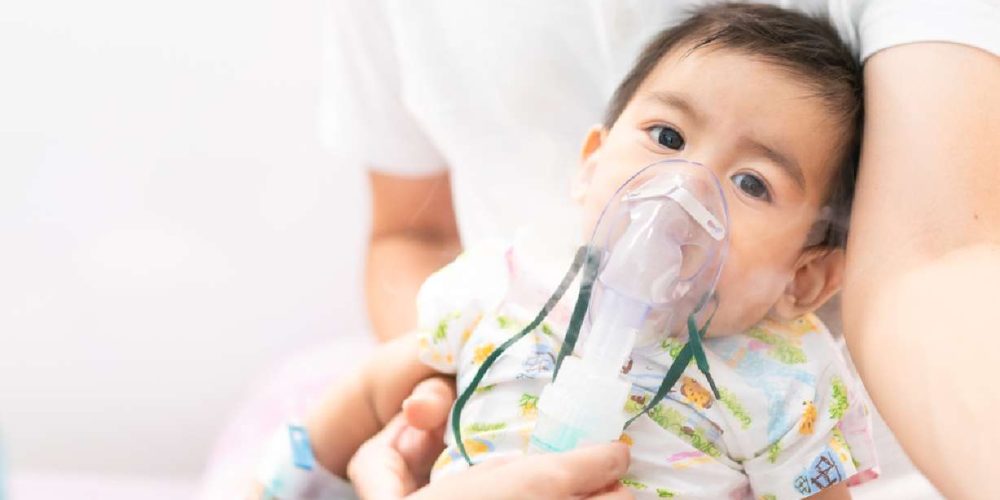
U.S. regulators have opened a fresh safety review of respiratory syncytial virus (RSV) preventive therapies used in infants, signaling heightened scrutiny of products that have been widely recommended to protect babies from severe respiratory illness. The move has drawn concern from medical experts and industry observers due to its timing and the involvement of senior health officials.
The U.S. Food and Drug Administration (FDA) has informed executives at several major pharmaceutical companies that it will reassess the safety of long-acting RSV antibody therapies, including Beyfortus (from Sanofi and AstraZeneca) and Enflonsia (from Merck). These treatments, unlike traditional vaccines, supply infants with ready-made antibodies to reduce the risk of severe respiratory infections during their first months of life.
The FDA review stems from internal discussions and concerns raised over the summer by agency officials appointed under Robert F. Kennedy Jr., who has overseen a broader re-evaluation of how the government approaches childhood immunizations. While no new safety signals have been publicly identified, senior advisors expressed interest in revisiting the data and potential risks linked to the therapies.
Some individuals, including independent commentators and an advisory board member, have suggested a possible association with rare adverse events such as seizures. The allegations have not been backed by robust scientific evidence, and reputable physicians and researchers have argued that existing safety studies do not support these claims.
Experts emphasize that these RSV preventive therapies have played a crucial role in reducing hospitalizations among young children. Real-world data analyzed by health authorities showed that antibody treatments and maternal RSV vaccination were associated with a significant drop in hospital admissions during the 2024–25 respiratory illness season compared to prior years.
Sanofi and Merck have defended the safety and effectiveness of their products. Sanofi highlighted that Beyfortus has demonstrated safety and clinical benefit in more than 50 studies involving hundreds of thousands of infants. Merck echoed confidence in Enflonsia’s safety profile and welcomed continued scientific dialogue with the FDA and other regulatory bodies.
RSV remains a leading cause of severe respiratory disease in infants and toddlers, with an estimated two to three out of every 100 babies under six months old hospitalized each year due to the virus. For high-risk infants, RSV can lead to serious complications like pneumonia and life-threatening breathing difficulties.
Both Beyfortus and Enflonsia have been integrated into routine immunization strategies for infants in the United States, supported by recommendations from national health bodies. Merck’s Enflonsia, approved earlier in 2025, offers a single-dose regimen regardless of infant weight, making it easier to administer compared to some other options.
Despite the review, medical societies and pediatric specialists stress that existing evidence supports the use of these therapies to protect vulnerable infants. Concerns about potential safety issues have not been borne out by large clinical trials or post-market surveillance data, according to public health experts.
The FDA has indicated that the safety reassessment is part of its routine process of evaluating emerging data for all approved products. Officials say they will update product labels if new evidence suggests it is necessary. However, the review unfolds against a backdrop of broader uncertainty in vaccine policy and immunization guidelines, which has raised alarm among some public health advocates.
As the RSV safety review progresses, stakeholders will be watching closely to see whether it leads to changes in clinical guidance or labeling. For now, experts maintain that RSV preventive therapies remain a key tool in reducing severe respiratory disease among infants and supporting early childhood health.









