

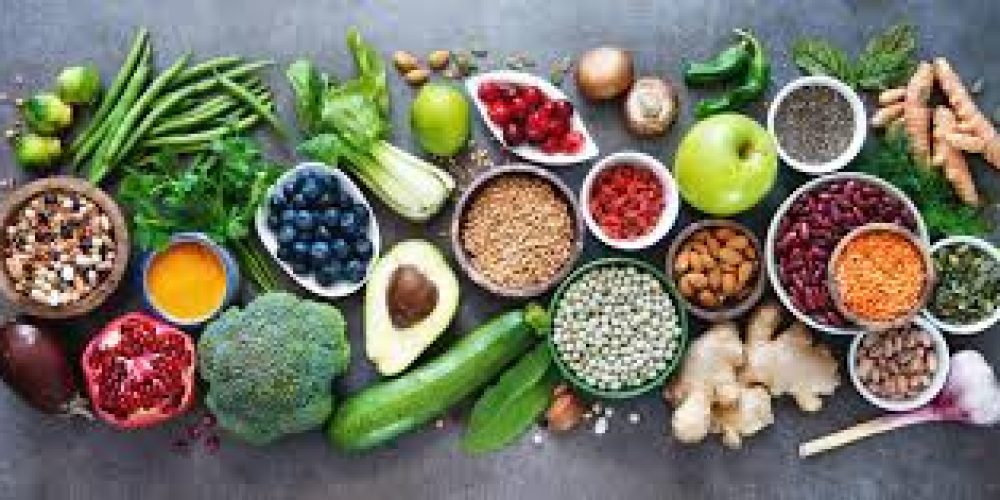
Heart disease remains one of the leading causes of illness worldwide, but doctors agree that small, consistent diet changes can significantly reduce the risk. You don’t need extreme restrictions or expensive superfoods. What matters most is how often you choose heart-friendly foods over time.
Many of these changes are practical, affordable, and easy to maintain.
Focus on whole foods, not perfection
One of the most powerful changes is shifting away from highly processed foods. Packaged snacks, fast food, and ready-made meals often contain excess salt, unhealthy fats, and added sugars. These ingredients raise blood pressure, increase inflammation, and strain the heart.
Replacing processed items with whole foods like vegetables, fruits, whole grains, beans, and nuts helps improve cholesterol levels and supports healthy blood vessels. Even gradual changes, such as cooking more meals at home, can make a noticeable difference.
Choose healthier fats more often
Not all fats are harmful. The type of fat you eat matters more than the amount. Saturated and trans fats, commonly found in fried foods, baked goods, and fatty meats, can raise “bad” LDL cholesterol.
Health experts recommend replacing these with unsaturated fats found in olive oil, avocados, seeds, nuts, and oily fish. These fats help protect the heart by improving cholesterol balance and reducing inflammation.
Reduce salt without sacrificing flavor
High salt intake is closely linked to high blood pressure, one of the biggest risk factors for heart disease. Many people consume far more salt than they realize, mainly from processed and restaurant foods.
Using herbs, spices, garlic, lemon, and vinegar instead of salt adds flavor without harming the heart. Reading food labels and choosing low-sodium options also helps control daily intake.
Increase fiber for heart protection
Fiber plays a key role in lowering cholesterol and stabilizing blood sugar. Diets rich in fiber are associated with a lower risk of heart attacks and strokes.
Whole grains, legumes, vegetables, fruits, and seeds provide soluble fiber that helps remove excess cholesterol from the body. Adding fiber gradually can also improve digestion and gut health.
Limit added sugars and refined carbs
Sugary drinks, sweets, and refined carbohydrates contribute to weight gain, insulin resistance, and inflammation. Over time, these effects increase the strain on the heart.
Reducing sugary beverages and choosing whole grains instead of white bread or pasta supports healthier blood sugar levels and long-term heart health.
Pay attention to portion sizes
Even healthy foods can contribute to weight gain if portions are consistently too large. Excess weight increases the risk of heart disease by affecting blood pressure, cholesterol, and inflammation.
Eating mindfully, slowing down during meals, and listening to hunger cues can help maintain a healthy weight without strict dieting.
Build habits that last
The most effective heart-protective diets are sustainable ones. Doctors emphasize consistency over short-term changes. A balanced diet that allows flexibility is easier to maintain and more effective in the long run.
Simple improvements, repeated daily, can significantly reduce heart disease risk over time.









