

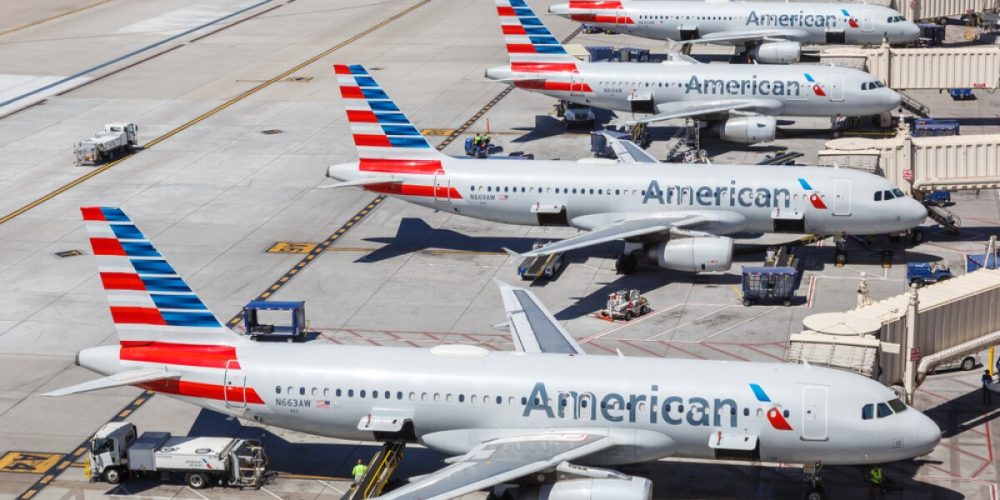
American Airlines is changing how it treats its lowest-priced passengers, signaling a shift in strategy as competition intensifies across the U.S. airline industry. The carrier announced that travelers who book basic economy tickets will now earn frequent flyer miles, a benefit that had previously been restricted to higher-priced fares. The move reflects a broader effort by airlines to balance cost-conscious pricing with customer loyalty.
Basic economy tickets are designed to attract travelers looking for the lowest possible fares. These tickets usually come with trade-offs, including limited seat selection, strict baggage rules, and fewer flexibility options. Until now, many passengers flying on these fares also earned little or no credit toward loyalty programs, a point of frustration for frequent travelers on a budget.
American Airlines’ decision marks a notable departure from that approach. By allowing mileage accumulation on basic economy tickets, the airline aims to make its loyalty program more inclusive while still maintaining fare distinctions. The company believes this adjustment will encourage customers to stay within the American Airlines ecosystem, even when flying on discounted tickets.
The airline industry has seen a surge in demand for lower-cost travel options, especially as inflation continues to pressure household budgets. Many travelers are choosing basic economy fares to save money, even if it means sacrificing comfort or flexibility. Airlines, in turn, are searching for ways to keep these price-sensitive customers engaged without eroding revenue.
American’s update brings it closer in line with some competitors that already offer limited mileage earning on basic fares. However, the airline is still maintaining clear boundaries. While basic economy passengers can now earn miles, they may not receive full loyalty benefits, such as elite qualifying credits or priority perks, depending on the ticket and program rules.
For frequent flyers, the change offers a meaningful incentive. Even occasional travelers can now accumulate miles that may later be redeemed for flights, upgrades, or other rewards. This can make basic economy tickets more appealing, particularly for travelers who regularly fly American Airlines but prefer cheaper options.
Industry analysts see the move as part of a broader recalibration. Airlines are increasingly using loyalty programs as strategic tools rather than exclusive clubs. With competition from low-cost carriers and alternative travel options, legacy airlines are under pressure to retain customers at every price level.
American Airlines has emphasized that the update does not fundamentally alter the purpose of basic economy fares. These tickets will still come with restrictions, and customers seeking flexibility or comfort will need to pay more. The airline’s goal is not to blur fare categories, but to add value where it can without undermining its pricing structure.
The change also highlights how loyalty programs have evolved. Once centered primarily on frequent business travelers, these programs now target a wider audience. Airlines recognize that even infrequent or budget-focused travelers can represent long-term value if they remain loyal over time.
As travel demand continues to recover and stabilize, airlines are experimenting with new ways to attract and retain passengers. American Airlines’ decision to award miles on basic economy tickets suggests that customer expectations are shifting. Travelers increasingly want affordability without feeling excluded from rewards.
For consumers, the message is clear. Flying cheap no longer has to mean flying unrewarded. While basic economy still comes with limitations, earning miles adds a layer of value that could influence booking decisions in a crowded market.









