

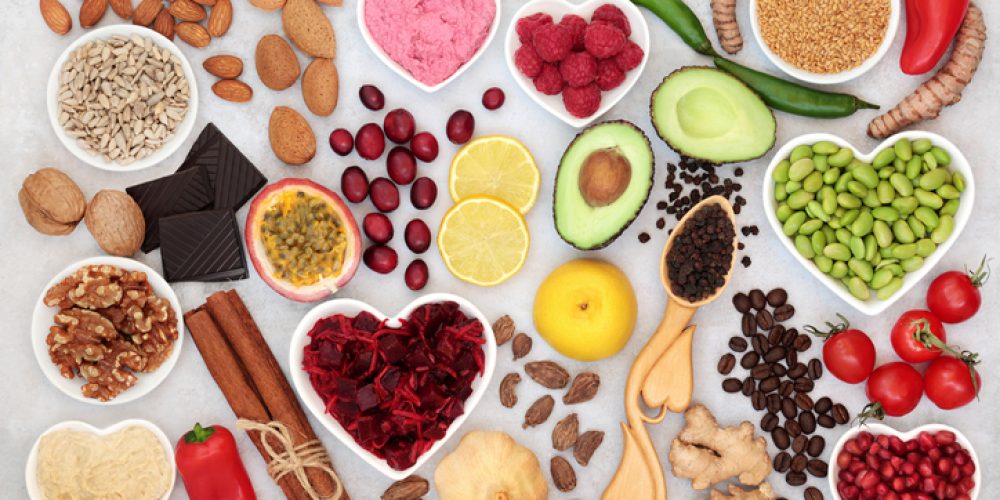
Adopting a diet rich in polyphenols may offer significant, long-term benefits for cardiovascular health, according to recent research. A new study highlights common foods like coffee, cocoa, berries, and olive oil as vital sources of these protective plant compounds. The findings suggest that regularly consuming these items links directly to a healthier heart profile and slower disease progression over time.
Polyphenols function as natural defense molecules within plants. When consumed, they provide strong antioxidant and anti-inflammatory properties to the human body. Cardiovascular disease represents a leading cause of death globally. Experts agree that dietary choices stand out as a crucial controllable factor in heart health prevention. This new observational study reinforces the idea that adding certain foods to your plate can improve long-term outcomes.
Researchers monitored over 3,100 adults across more than a decade. They utilized comprehensive dietary questionnaires and objective urine sample analysis. The urine tests measured polyphenol exposure by tracking various breakdown products, or metabolites. The scientists then correlated these biological markers with standard cardiovascular disease risk scores.
The study concluded that participants with higher levels of polyphenol metabolites in their urine showed a more favorable heart health status. Specifically, they exhibited reduced cardiovascular risk scores and better levels of “good” HDL cholesterol. While this observational design cannot prove a direct cause-and-effect relationship, the patterns strongly support the protective role of a polyphenol-rich diet. Measuring these metabolites in the urine provided a more accurate assessment of dietary intake than relying solely on self-reported data.
Furthermore, the research demonstrated a link between high polyphenol intake and slowing the natural progression of heart disease risk that accompanies aging. Although everyone’s risk naturally increased over the eleven-year follow-up period, those who consumed more polyphenol-containing foods consistently maintained lower predicted cardiovascular risk scores.
Existing randomized controlled trials support these findings. They show that polyphenols actively help blood vessels function more effectively. These compounds can lower blood pressure and improve blood lipid profiles. They work by boosting nitric oxide availability in blood vessels. Nitric oxide helps blood vessels relax and directly supports healthy, efficient circulation throughout the body.
Many common items can easily boost polyphenol intake without requiring a major dietary overhaul. These foods include a wide range of plant-based options. Consumers should focus on incorporating items like dark chocolate, walnuts, apples, citrus fruits, and various herbs and spices such as cinnamon and turmeric. Adding berries to breakfast, tossing beans into soups, or choosing tea instead of sweetened beverages offers simple, consistent ways to increase these protective compounds. Registered dietitian nutritionists advise starting with small, achievable changes to gradually shift toward a more plant-rich diet. This simple dietary adjustment benefits the gut and brain alongside the heart.









