

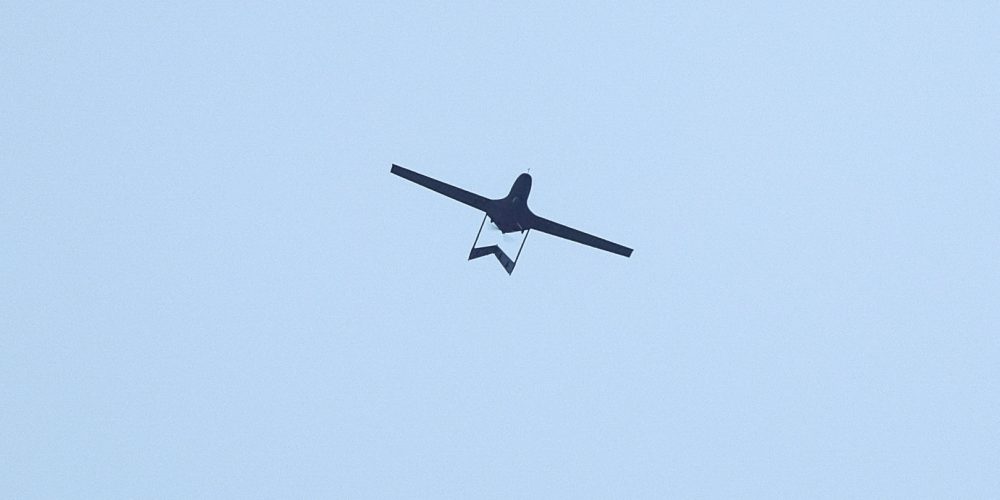
Russia’s Ministry of Defense announced a major incident involving air defense systems overnight. The ministry reported successfully intercepting and destroying ninety Ukrainian fixed-wing drones across several regions. This event marks one of the largest single-night drone attacks claimed by Russian authorities during the conflict. The coordinated assault stretched air defense capabilities over vast territories, targeting areas deep inside Russia.
The primary concentration of the drone incursions occurred over the Bryansk region. Defense forces neutralized sixty-three unmanned aerial vehicles (UAVs) in this area alone, near the border with Ukraine. However, the attack extended far into the Russian heartland. Interceptions were recorded over numerous other central regions, demonstrating the broad reach of the Ukrainian operation. This expansive attack highlights Kyiv’s increasing reliance on long-range drone technology to strike strategic targets.
Reports from regional authorities indicated that not all incoming drones were stopped without consequence. In the city of Tver, located northwest of Moscow, debris from a downed drone struck a residential building. This impact caused a fire and resulted in injuries to seven individuals, including a child. The casualties underscore the risks faced by civilian populations in central Russia from the expanding air war. Twenty-two residents of the apartment block required evacuation and temporary housing following the incident.
Further reports indicated strikes on industrial facilities hundreds of kilometers from the border. A major oil refinery in Yaroslavl, located far northeast of Moscow, reportedly caught fire after being struck by drones. Although Russian authorities confirmed the interceptions in Yaroslavl, they did not immediately confirm the extent of the damage at the Slavneft-YANOS refinery. This facility is critical to Russia’s energy sector, ranking among the largest oil processors in the nation. Targeting such infrastructure aligns with Ukraine’s stated strategy of crippling Russia’s capacity to fund its military actions.
Other key regions affected by the overnight operation included Yaroslavl, Moscow, Smolensk, and Tula. Air defense units neutralized four drones approaching the Moscow region. Eight drones were downed over Yaroslavl, three over Smolensk and Tver, and two over both Tambov and Tula regions. Interceptions were also reported over Oryol, Rostov, and the Black Sea. This vast geographic spread suggests a highly organized and simultaneous drone deployment.
The intensity of this latest wave follows an even larger, unprecedented attack just one day prior. Russian authorities had claimed intercepting nearly three hundred drones during that earlier assault. The consecutive massive raids signal a significant escalation in Ukraine’s unmanned aerial campaign. These strikes compel Moscow to dedicate considerable resources to defending its interior and economic assets. The continuing drone campaign maintains pressure on Russian logistics and infrastructure, reinforcing the strategic role of UAVs in the ongoing conflict.









