

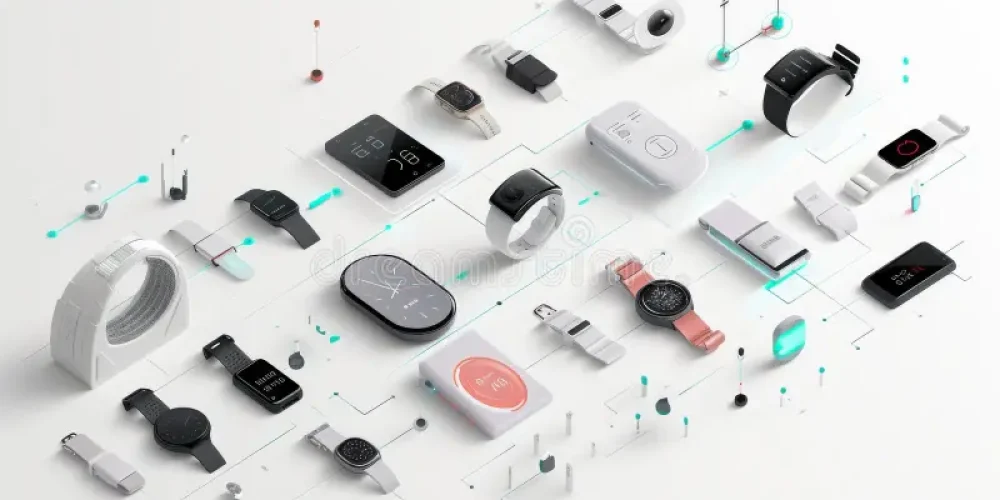
A significant shift is occurring in personal technology as industry heavyweights pivot away from the smartphone. Companies like Meta, Google, and OpenAI are investing heavily in a new generation of artificial intelligence hardware. These devices aim to integrate AI seamlessly into daily life. This emerging field is known as ambient computing. The technology strives to provide intelligent assistance without constant screen interaction. The ultimate goal is creating a pervasive, background layer of computation.
Meta continues to lead the charge with wearables. It focuses specifically on smart glasses developed through its partnership with Ray-Ban. These glasses now feature high-resolution displays and sophisticated AI capabilities. The devices allow users to perform hands-free tasks, including making calls and translating conversations in real time. Meta has also introduced a neural wristband accessory. This band lets users control the glasses with subtle hand gestures. Meta CEO Mark Zuckerberg views smart glasses as the definitive future interface.
OpenAI is pursuing a broader range of AI-powered gadgets. The company reportedly works with legendary designer Jony Ive to build a hardware ecosystem. This lineup includes screen-free smart speakers, digital voice recorders, and a sleek wearable pin. This strategy suggests OpenAI wants to establish its AI models as a primary, ever-present personal assistant. They aim to bypass traditional smartphone reliance entirely. Industry rumors suggest these devices could launch in late 2026 or 2027. OpenAI is leveraging experienced hardware teams, having secured manufacturing contracts with key Apple suppliers.
Google is also actively positioning itself within this new landscape. While it already offers AI services through Android and Nest devices, it explores new physical forms. The company views augmented reality glasses as a vital form factor for contextual AI. This strategy allows the AI to react to a user’s surroundings in real-time. Google, like its rivals, understands that the most powerful AI requires the most immediate access to the user and their environment.
Despite the excitement, the transition to ambient computing faces serious consumer adoption challenges. Privacy is the biggest concern. Always-on devices with cameras and microphones inherently raise surveillance fears among the public. Developers must also solve difficult engineering problems. These issues include battery life limitations and ensuring high-speed data transmission between the wearable and the cloud AI model. Furthermore, some early products, such as the Humane AI Pin, have generated skepticism about market viability.
Regardless of these obstacles, the race is fundamentally redefining our relationship with technology. Tech companies see ambient AI as the next trillion-dollar market. The giants are competing to create the device that succeeds the smartphone as the dominant personal technology platform. This wave of devices represents more than just incremental upgrades; it marks the beginning of an era where technology intentionally disappears into the background of our lives.









