

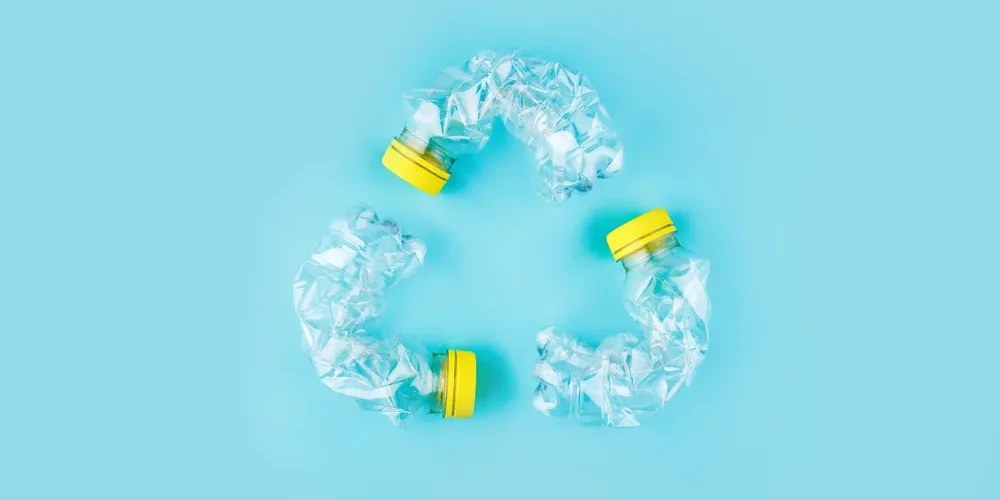
Europe is aggressively tackling plastic waste by shifting its focus from simple disposal to advanced circularity. This transition represents a major systemic change, moving the economy away from the old “take-make-waste” model. Innovation stands as the most critical factor driving this transformation across the continent. New state-of-the-art technologies and sustainable solutions are emerging to reshape plastic recycling worldwide.
Leading European companies are now implementing sophisticated approaches to keep plastics perpetually in the material loop. This effort prevents leakage into nature, including rivers and oceans. For example, a major Austrian company is showcasing how innovation can successfully transform used plastics into high-quality materials. These materials are then used for infrastructure, mobility, and consumer products. This strategy creates value from waste rather than just managing it.
Industry leaders stress that pushing technological boundaries is essential for the European economy. They recognize that failing to innovate risks falling behind global competitors. Therefore, European research and development centers are uniting experts to co-create next-generation solutions. These efforts focus on proprietary technologies that enhance product design, reduce carbon footprints, and minimize material waste. Specific examples include creating lighter car parts that save fuel and manufacturing leak-tight pipes that prevent water loss.
The European Union actively supports this transition through extensive policy and financial frameworks. The overarching European Strategy for Plastics in a Circular Economy aims to ensure all plastic packaging becomes reusable or recyclable by 2030. This ambitious goal directly addresses the growing plastic litter problem that harms marine ecosystems and human health. The strategy involves a comprehensive set of actions designed to improve the economics and quality of plastic recycling.
Furthermore, the EU is investing heavily in research and innovation. It allocates substantial funds to develop smarter, more recyclable plastic materials. The money also targets improving recycling processes and removing hazardous substances from recycled content. This investment accelerates the development of advanced solutions like chemical recycling, which can process mixed or difficult-to-recycle plastic streams that mechanical recycling cannot handle.
Beyond technological advancements at home, European firms are accepting global responsibility. They participate in international initiatives to improve waste management infrastructure in regions where uncollected plastic waste is a major issue. These collaborations involve establishing functional waste collection systems and creating local jobs, especially in developing countries. This dual approach—innovating internally and acting globally—reinforces the EU’s commitment to creating a sustainable, resource-efficient, and competitive economy.
Policymakers and industry leaders agree that success depends on robust, harmonized standards and sustained investment. The transition will deliver significant economic and social benefits. Experts project the circular economy could boost the EU’s GDP and create hundreds of thousands of new jobs. The collective goal remains clear: to build resilient, circular systems that safeguard the environment while securing a sustainable economic future for Europe.









