

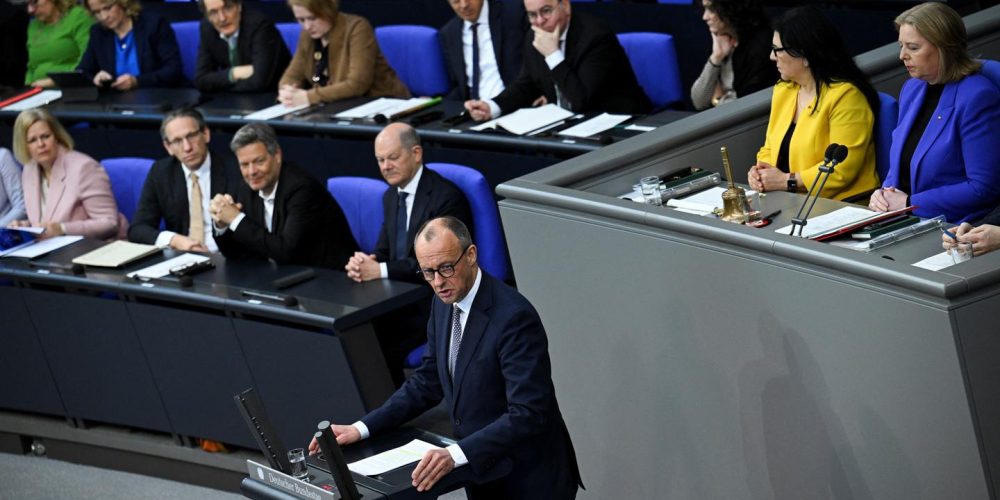
Germany’s ruling coalition has finalized a major domestic policy agreement. The plan introduces a comprehensive law to accelerate infrastructure development. Simultaneously, the government will entirely replace the highly contested Building Energy Act, often called the heating law. Chancellor Friedrich Merz’s administration aims to energize Europe’s largest economy with this move. The coalition sought to demonstrate unity and action after months of slow growth and internal political disagreements.
The centerpiece of the agreement is the new “fast-track” legislation. Officials designed the law to slash bureaucratic hurdles and shorten approval times for key projects. The government classifies numerous transport schemes as being of “overriding public interest.” This new legal status ensures that crucial road, rail, and energy ventures receive priority treatment in all planning stages.
This change directly addresses Germany’s longstanding reputation for painfully slow project implementation. A significant provision mandates the use of digital-only administrative processes. This measure eliminates paper-based delays throughout the approval chain. Furthermore, minor environmental impact assessments will become unnecessary for short-distance rail line electrification projects up to 60 kilometers. This targeted deregulation intends to speed up green transport infrastructure upgrades immediately. Chancellor Merz stressed that environmental protection remains important. However, he confirmed it would no longer serve as a tool to halt vital measures through endless legal procedures.
The second major policy shift involves housing and heating. The coalition decided to scrap the original, deeply unpopular “heating law.” That legislation had aimed to phase out fossil fuel boilers by setting a mandatory 65% renewable energy requirement for new heating systems. The ambitious but inflexible law generated fierce public opposition. Homeowners expressed deep concern over the projected costs and the lack of technical choice.
The new policy replaces the strict mandate with a broader law focused on building modernization. This new legal framework is simpler and more technology-neutral. It shifts the primary focus from requiring specific technologies to achieving verifiable carbon dioxide emission reductions. This change allows homeowners and businesses greater flexibility. They can choose solutions like hydrogen, heat pumps, or efficient district heating connections. This compromise seeks to maintain progress toward Germany’s climate goals without overburdening citizens financially.
The government’s plan represents a pragmatic pivot in climate policy implementation. It prioritizes economic acceleration and public acceptance alongside decarbonization. Infrastructure investment is crucial for national competitiveness. The simplified planning and the rollback of the most contentious green rules show the coalition’s determination. They want to address the country’s persistent infrastructure deficit and provide relief to a skeptical public. This comprehensive policy package marks a pivotal moment for German climate and economic governance.









