

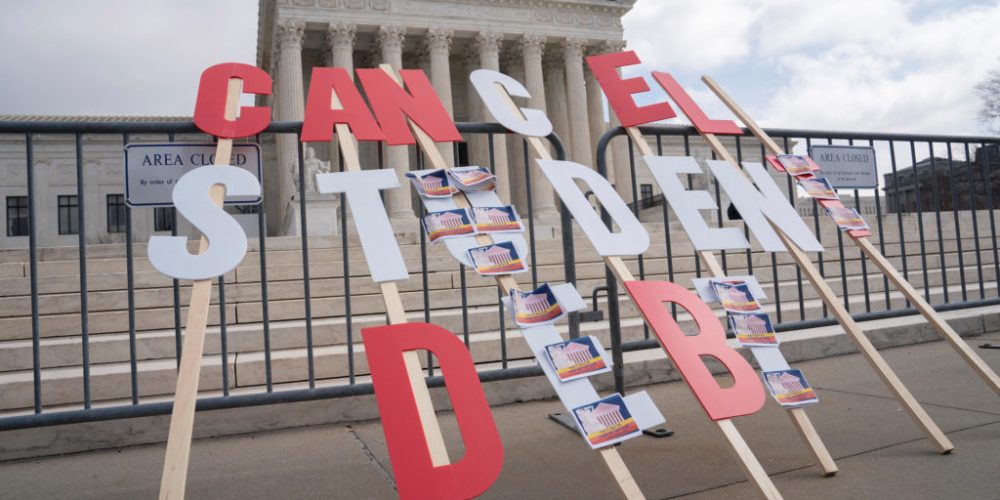
Federal student loan holders reached a critical financial moment near the end of 2025. Ongoing legal disputes surrounding new federal repayment options, particularly the Saving on a Valuable Education (SAVE) plan, forced the Department of Education to extend payment relief for millions of Americans. This administrative forbearance period, often extending through the fall and into December 2025, presented a crucial, time-limited opportunity. Financial experts strongly advised borrowers to use this reprieve strategically rather than increasing discretionary spending.
The central piece of advice focused on building a stronger financial foundation. With loan payments imminent, borrowers needed a financial cushion. Many households experienced a significant budget strain once monthly bills resumed. Using the exact amount of the expected monthly loan payment to fund an emergency savings account became the top preparation strategy. This simple discipline instantly created a vital buffer. A strong emergency fund helps prevent debt or default if the borrower faces an unexpected expense or income loss soon after payments restart.
Experts also recommended aggressively tackling high-interest debt. Consumer debts like credit card balances or personal loans often carry much higher interest rates than federal student loans. Redirecting the money saved during the pause toward these expensive debts provided an immediate and guaranteed return. Eliminating high-cost liabilities represents the fastest way to improve a borrower’s overall financial health. This priority generally superseded making extra payments on student loans themselves.
Borrowers had two intelligent options regarding the loan principal during the pause. The first involved making extra principal payments while interest accrual remained frozen for some borrowers in specific forbearance plans. Reducing the principal balance saved thousands in interest over the loan’s lifetime. This tactic offered long-term wealth creation.
Alternatively, many financial planners suggested putting the future payment amount into a high-yield savings account (HYSA). This money earned a small amount of interest, yet it stayed liquid and ready. The funds could be deployed instantly when repayment officially began. This dual-purpose strategy allowed borrowers to maintain liquidity while psychologically adjusting to budgeting without the extra cash.
Proactive planning remained essential as the end of the year approached. Borrowers needed to confirm their enrollment status. Ongoing court injunctions complicated the status of the popular SAVE plan. Many were placed into other Income-Driven Repayment (IDR) plans, such as IBR or PAYE. Verification with loan servicers was mandatory to ensure correct billing and accurate payment counting toward future forgiveness thresholds. Misunderstandings about the restart date or the correct payment amount could easily lead to delinquency. The temporary pause ended, marking a permanent shift in millions of household budgets. Borrowers who planned wisely positioned themselves for financial stability throughout the transition









