

International leaders and philanthropists recently announced a significant financial commitment to combat polio. The group pledged a collective $1.9 billion to accelerate the worldwide effort to eradicate the disease. This commitment provides crucial momentum as the Global Polio Eradication Initiative (GPEI) faces historic cuts to its budget. The announcement was made in Abu Dhabi at an event hosted by the Mohamed bin Zayed Foundation for Humanity.
Polio cases have dropped by a staggering 99.9 percent since 1988. However, the fight is not yet over. Wild poliovirus remains endemic only in Afghanistan and Pakistan. Furthermore, outbreaks of variant poliovirus continue to threaten children in numerous other countries. Global health partners stressed that ending the disease is a moral imperative.
The new pledges include approximately $1.2 billion in newly committed funds. The overall budget shortfall for GPEI’s 2022–2029 Strategy currently stands at $1.7 billion. The fresh funding injection will immediately reduce that remaining resource gap to $440 million. This successful fundraising effort comes at a critical time. The GPEI budget anticipates a steep 30% cut in 2026. This shortfall is largely driven by a worldwide pullback from foreign aid spending by wealthy donor nations.
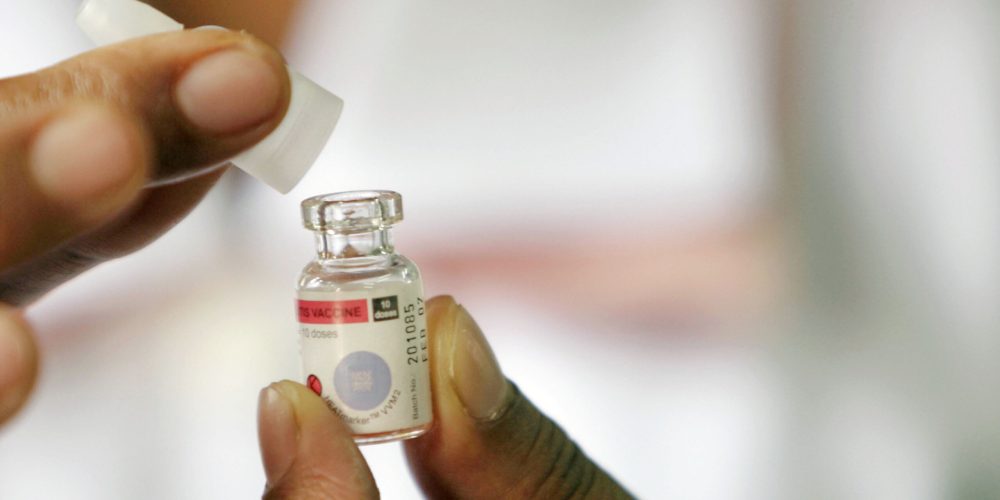
The money will fund vital operations aimed at reaching 370 million children with life-saving polio vaccines annually. GPEI partners plan to sharpen their focus on enhanced surveillance and vaccination in areas with high-risk transmission. These efforts include providing door-to-door immunization in remote communities. They also incorporate strengthening environmental surveillance, like testing sewage water, to detect the virus’s presence quickly.
Major philanthropic organizations provided the largest commitments. The Gates Foundation pledged $1.2 billion. Rotary International committed $450 million. Bloomberg Philanthropies added $100 million. Governments also stepped up. Pakistan pledged $154 million, highlighting its commitment as an endemic country. Germany and the United States also announced substantial contributions.
Beyond vaccination, the funding supports broader health goals. Polio eradication efforts have long strengthened global health systems. The extensive polio infrastructure supports routine immunization for other diseases, vital surveillance, and emergency response capabilities. This “legacy planning” ensures that investments made to end polio continue to yield public health dividends long after the virus is gone.
Leaders emphasized the immense risk of complacency now that eradication is so close. They warned that if global attention and funding wane, polio could rapidly resurface. Such a resurgence would result in billions of dollars in lost investment and cause a devastating public health disaster. The successful pledging event in Abu Dhabi reinforces the collective international resolve to achieve a polio-free future for every child.









