

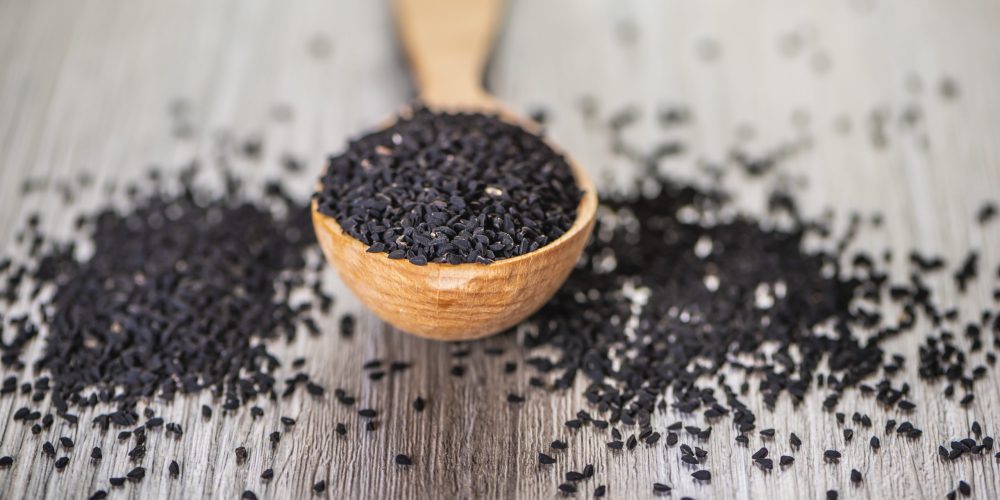
A new clinical study suggests that adding a small amount of black cumin seed powder to the diet each day may support healthier cholesterol levels and improve certain markers linked to cardiovascular risk. While the research is limited in size and duration, it adds to growing scientific interest in the potential benefits of this traditional medicinal spice.
Researchers examined how consuming one tablespoon of powdered black cumin seed daily affected blood lipids in adults with elevated cholesterol. Participants took the supplement for several weeks and had blood work assessed before and after the intervention. The study found meaningful reductions in total cholesterol and LDL levels, both of which are closely tied to cardiovascular disease. Some participants also experienced modest increases in HDL, the “good” cholesterol that helps clear fatty deposits from the bloodstream.
These biological effects may help improve cholesterol metabolism and reduce inflammatory processes that contribute to heart disease.
The study’s authors noted that many people rely on medication to control cholesterol but may still benefit from additional dietary support. Nutritional strategies that reduce LDL levels even slightly can have long-term benefits, especially when combined with lifestyle changes such as exercise and weight control. Black cumin seed powder may be attractive because it is inexpensive, widely available and relatively simple to incorporate into food.
However, experts caution that the new research has important limitations. The sample size was small, and the study lacked a placebo-controlled design, making it difficult to determine whether changes resulted solely from the supplement. Participants also took the powdered seed for a short period, so researchers could not assess whether effects persist over time or impact the risk of heart attacks and strokes.
There are also uncertainties about dosage and safety.
Despite the limitations, the findings align with previous research suggesting that black cumin seed may improve metabolic health. Earlier studies found potential benefits for blood sugar regulation, inflammation and body weight, although evidence remains inconsistent. Given rising global rates of obesity and heart disease, researchers say there is value in studying affordable, plant-based approaches that may complement mainstream treatment.
For now, experts emphasize that black cumin seed powder is not a substitute for prescribed medication or wider lifestyle management. However, adding a small amount of the spice to meals may serve as a low-risk way to support overall heart health while scientists continue researching its effects.
Future studies with larger groups, longer follow-up and more rigorous design will be needed to confirm whether black cumin seed can play a meaningful role in preventing cardiovascular disease — and if so, how it should be used.









