

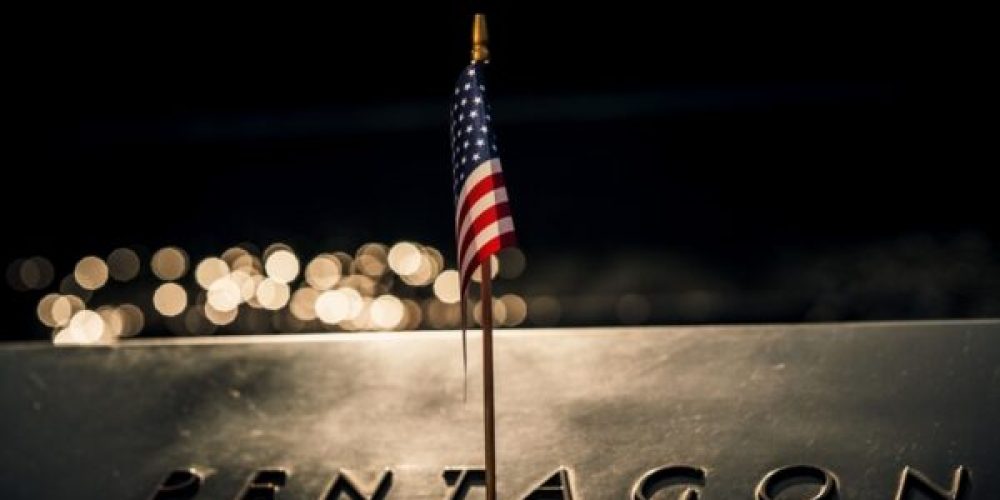
The Pentagon is facing criticism after conservative television host Pete Hegseth accused military officials of restricting media access to U.S. naval operations near the Middle East. His comments came after a military vessel reportedly collided with an unidentified object, drawing attention from journalists seeking real-time information about the mission and overall safety conditions.
Hegseth, who works for Fox News, said the Defense Department refused to allow reporters on board naval assets involved in maritime patrols, even after accidents attracted public interest. He framed the response as a deliberate attempt to avoid scrutiny, arguing that press restrictions were excessive and inconsistent with the public’s right to understand how U.S. forces operate during tense regional deployments.
Military officials acknowledged that an incident occurred involving a patrol boat, but offered only limited details. They confirmed that the collision resulted in no fatalities and did not compromise national security. However, they did not release images or allow independent journalists to observe operations firsthand. According to the Pentagon, operational security rules guided the decision, especially in an environment where U.S. forces are tracking militant activity and facing unpredictable threats at sea.
The controversy emerges at a moment when the government is reassessing media access policies. For years, journalists embedded with troops served as a core feature of wartime reporting. That model gave the public front-line visibility into strategy, risk, and decision-making. Today, however, the military has shifted toward more controlled communications, emphasizing official statements over live coverage. Critics say the approach shields mistakes. Supporters argue it protects service members from revealing details that adversaries may exploit.
Hegseth used the incident to escalate a broader political argument. He claimed that the press should not accept limitations without challenge, especially when taxpayer-funded operations are involved. He also suggested that mainstream outlets have shown less interest in requesting access because they rely heavily on official briefings rather than independent observation.
The media environment around conflict zones has changed dramatically in recent years. The Pentagon faces global threats that require secrecy, data security, and advanced surveillance capabilities. At the same time, journalists argue that vague statements and delayed disclosures create mistrust. These competing priorities are now clashing more often, particularly when military events occur in sensitive regions with diplomatic implications.
Observers say the boat collision reveals more than a minor maritime mishap. It highlights a larger tension between government control and journalistic independence. The episode is shaping a renewed debate over what the public should know about active military missions and who decides the limits of that visibility.
There is also uncertainty about how the Pentagon will respond to growing criticism. While officials defended their choices, they did not commit to wider access in the future. Instead, they stressed that missions must remain secure and unpredictable conditions justify strict oversight.
As conflicts evolve and media demands intensify, both sides are preparing for more confrontations. For now, the issue remains unresolved, leaving questions about transparency, accountability, and the future role of press access in national defense.









