

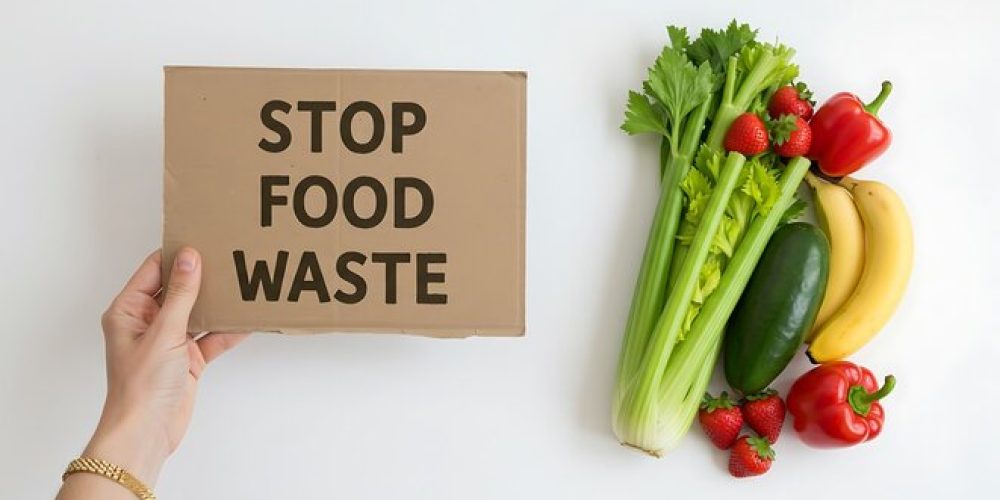
Food waste has become a major household issue, yet many people don’t realize how much they discard each week. Experts say small daily habits can dramatically reduce waste, lighten grocery bills, and support environmental sustainability. With grocery prices still high, families are now looking for practical ways to stretch ingredients further and get more value out of every meal.
One of the most effective strategies begins before cooking even starts. Planning meals for a few days helps households shop more intentionally and avoid buying ingredients that expire before use. When people check their fridge and pantry before heading to the store, they often discover forgotten items that can still be repurposed into quick meals or snacks. This single step greatly reduces the chances of duplicate purchases and unnecessary waste.
Experts highlight proper food storage as another powerful tool. Many fruits and vegetables last longer when stored correctly. For example, leafy greens stay fresh when wrapped in paper towels, and herbs last longer when placed upright in a jar with a bit of water. Understanding which foods need refrigeration and which don’t also prevents spoilage. Tomatoes, onions, potatoes, and bananas all store better at room temperature, while berries require refrigeration and airtight containers.
More Articles : Experts Share Simple, Science-Backed Tips for a Healthier and Happier Thanksgiving
Cooking in smaller batches also helps minimize leftovers that never get eaten. Instead of making large quantities every night, people can adjust serving sizes based on actual needs. When leftovers do occur, they can be transformed into new meals. Vegetables can be added to omelets or soups, while leftover rice or grains can become stir-fries or salads. This flexible approach reduces waste and encourages creativity in the kitchen.
Another overlooked tip involves relying on senses rather than expiration labels. “Best by” and “sell by” dates often relate to quality rather than safety. Experts emphasize checking smell, texture, and appearance before throwing something away. Many foods remain safe beyond the printed date, and learning to judge freshness independently avoids unnecessary disposal.
Freezing is one of the most powerful tools for waste reduction. Bread, fruits, vegetables, herbs, and even cooked meals freeze well and can be stored for weeks or months. This allows families to extend the life of ingredients and prepare backup meals for busy days. Freezing also works well for items nearing their expiration date.
Portion mindfulness is another helpful habit. Taking smaller servings reduces plate waste and encourages finishing meals before taking more. For households with children, serving small portions first allows them to explore new foods without pressure or waste.
Lastly, composting offers an eco-friendly way to manage unavoidable scraps. Even small urban spaces can support countertop compost bins, helping families turn food waste into something useful rather than sending it to landfills.
Experts stress that reducing food waste does not require dramatic lifestyle changes. Instead, consistent small actions — meal planning, proper storage, freezing, repurposing leftovers, and using senses over dates — can create meaningful improvements. By adopting these habits, households save money, cut waste, and become more mindful of their food choices. The long-term benefit extends beyond the kitchen, contributing to a more sustainable food system.









