

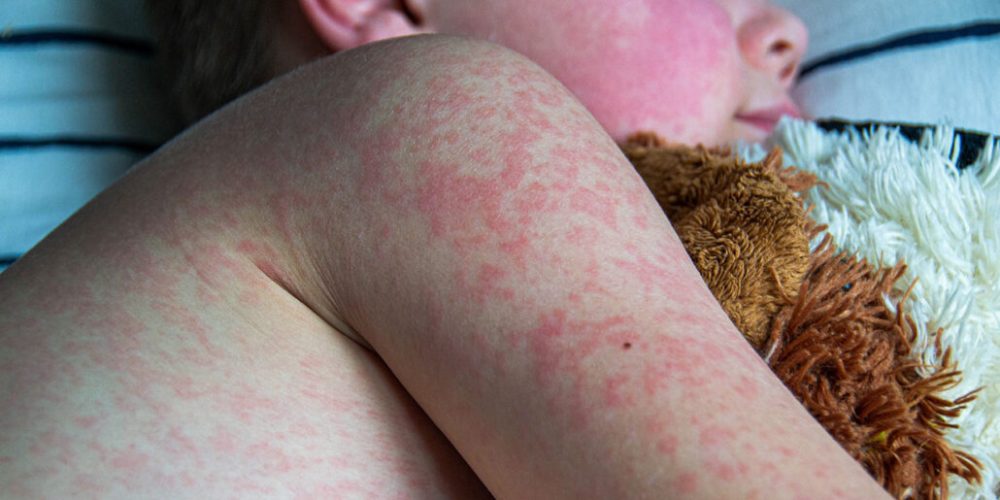
Global measles cases have dropped by an impressive 71% over the past 24 years, according to new data from the World Health Organization (WHO). The decline reflects steady growth in vaccination coverage, especially in regions that previously struggled with access, infrastructure, and vaccine hesitancy.
Measles remains one of the world’s most infectious viruses, yet it is entirely preventable through routine immunization. The WHO highlighted that improved vaccination programs, better community outreach, and stronger public health investment have collectively reduced the number of infections. Many countries have expanded national immunization plans and adopted new strategies to reach vulnerable populations, particularly young children.
The WHO report notes that global first-dose measles vaccine coverage has improved significantly, while second-dose uptake has also increased across multiple regions. Health officials emphasize that having both doses is essential for long-term protection. In areas where outbreaks were once frequent, enhanced monitoring and quicker response teams have helped detect cases early and contain transmission.
Despite this progress, challenges remain. Several low-income countries still face gaps in vaccine access, funding, and healthcare infrastructure. Conflict zones and regions with displaced populations also struggle to maintain consistent immunization schedules. The WHO warns that even small declines in coverage can open pathways for outbreaks, especially in densely populated areas.
Another concern is vaccine misinformation, which continues to influence parental decisions in some parts of the world. Public health experts stress the importance of transparent communication and community-level trust-building to ensure families feel confident about vaccination. The WHO is working with local governments, NGOs, and global partners to counter misinformation and strengthen awareness campaigns.
While overall global cases have decreased, the report highlights that some countries experienced temporary spikes when vaccine services were disrupted. Events such as natural disasters, health system strain, and pandemic-related setbacks slowed routine immunization in certain regions. However, many of these areas have since rebounded, showing strong recovery in vaccination rates.
Read More : WHO Unveils New Global Guidance to Boost Country Preparedness for Health Crises
The reduction in measles cases demonstrates what sustained commitment to public health can achieve. Health officials note that measles is often a sign of broader system performance. When measles control improves, it typically reflects stronger maternal and child healthcare systems, better supply chains, and more resilient national health programs.
Looking ahead, the WHO stresses the need to maintain momentum. Continued progress will depend on stable funding, reliable vaccine delivery systems, and broad community support. Experts caution that measles can spread rapidly if immunity levels fall, making vigilance essential even during periods of decline.
The organization also urges countries to strengthen surveillance systems, which help identify outbreaks quickly and guide targeted interventions. Improved laboratory capacity and digital reporting tools have already enhanced tracking in many regions, accelerating response times and reducing spread.
As global vaccination coverage continues to rise, the WHO remains optimistic. The significant drop in measles cases shows that long-term strategies are working. Still, sustained global cooperation will be necessary to prevent resurgence and move closer to eventual measles elimination.









