

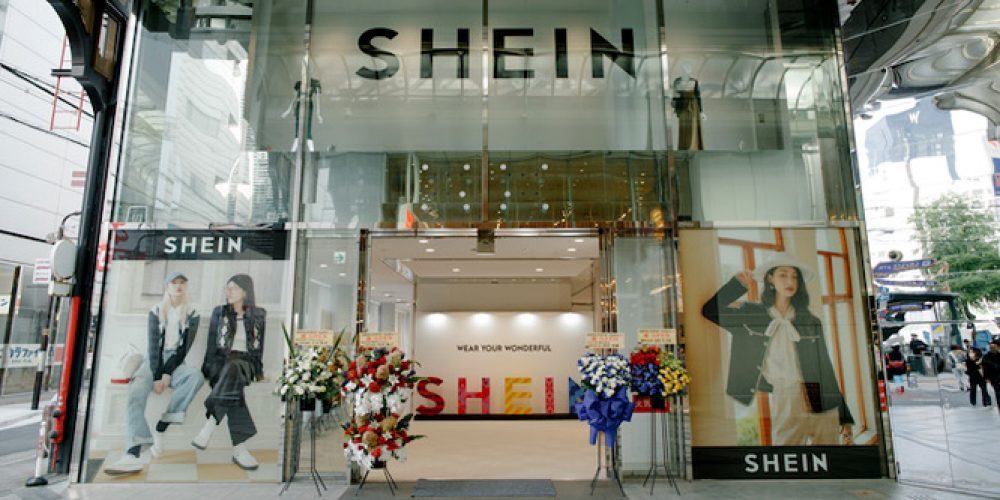
Shein, the fast-fashion giant known for its massive online presence and rapid product cycles, has opened its first permanent brick-and-mortar store. The move marks a major shift in the brand’s retail strategy and raises new questions about the future of traditional department stores already struggling to stay relevant.
The company chose a prime U.S. retail location for the launch, attracting significant attention from industry analysts. Shein built its empire through low-cost manufacturing, data-driven trend forecasting, and viral social media marketing. Now, by entering physical retail, the brand aims to strengthen its market dominance and deepen its relationship with shoppers who still prefer in-store browsing.
The new store offers a curated selection of Shein’s most popular items, along with exclusive collections designed only for physical shoppers. Crowds lined up to experience the brand firsthand, highlighting the strong demand among young consumers who enjoy affordable fashion and quick style turnover. Shein’s ability to draw large foot traffic immediately set it apart from many long-established retailers that continue to face declining mall attendance.
Traditional department stores, however, view Shein’s move as another threat in an already challenging environment. Many have closed multiple branches and shifted their focus to e-commerce to survive. But even with online improvements, they still struggle to match Shein’s speed, low pricing, and trend responsiveness. Industry experts warn that Shein’s physical expansion could accelerate the decline of department stores that fail to modernize.
Shein’s store layout reflects a strategy built around social media culture. Bright lighting, selfie-ready corners, and seamless checkout options aim to create a shopping experience that encourages visitors to share their purchases online. This approach blends digital influence with in-store convenience, giving Shein an advantage in capturing both markets.
Retail analysts say the company’s hybrid model could reshape consumer expectations. While online shopping remains dominant, many buyers still enjoy the ability to try items before purchasing. Shein’s permanent store allows customers to check quality, fit, and fabric—areas where fast fashion brands often face criticism. By addressing these concerns through in-person experiences, Shein strengthens trust and loyalty.
The brand’s expansion also highlights broader changes in the global retail landscape. Fast-fashion chains are adapting quickly, while department stores struggle with outdated layouts, higher overhead costs, and slower supply chains. As inflation continues to pressure shoppers, many consumers prioritize affordability, giving Shein a clearer competitive edge.
However, Shein’s move into physical retail comes with challenges. Inventory management, logistics, and staffing add operational complexities not present in its digital-only model. Critics also continue to raise concerns about sustainability, labor practices, and the environmental impact of fast fashion. These issues could influence consumer sentiment if they intensify.
For department stores, the opening serves as a wake-up call. Analysts argue that they must innovate rapidly, embrace technology, and refresh their merchandise strategies to stay relevant. Without meaningful transformation, the gap between traditional retailers and fast-moving brands like Shein will widen.
Shein’s first physical store represents more than a new retail chapter. It signals a potential turning point in the fashion industry, one where digital-first brands step confidently into the physical world while legacy chains face renewed pressure to evolve or risk fading away.
Read More News : France Accuses Shein of Selling Child-Like Sex Dolls, Launches Investigation









