

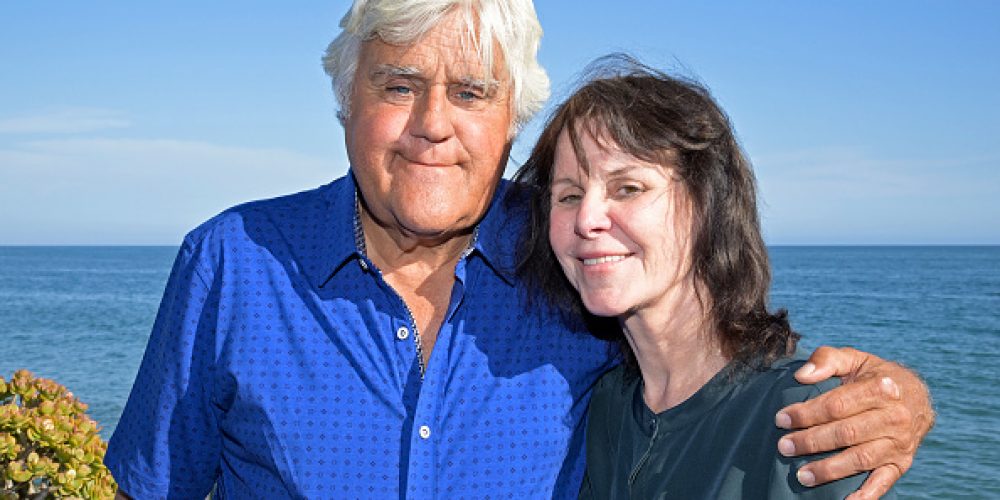
Jay Leno is sharing the emotional reality of caring for his wife Mavis, who is living with advanced dementia. The longtime television host has spoken publicly about the challenges he faces as her primary caregiver, describing the experience as both painful and deeply meaningful. His reflections highlight the growing struggles many families encounter as dementia diagnoses rise across the United States.
Leno and his wife have been married for more than four decades, and their partnership has long been seen as one of Hollywood’s most enduring unions. Mavis’ health began to decline in recent years, and doctors later confirmed she had dementia severe enough to impair memory, judgment, and daily functioning. Leno now supports her full-time, which has shifted his life significantly.
He says the hardest part is witnessing the gradual loss of the person he has known for so long. Dementia often progresses unpredictably, creating moments of confusion and disorientation for the patient and emotional strain for those caring for them. Leno admits the disease forces families to adjust constantly while managing grief for a loved one who is physically present but mentally fading.
Experts say Leno’s experience reflects a broader national issue. Dementia cases continue to rise as the population ages, leaving spouses and adult children responsible for demanding caregiving roles. Many caregivers face exhaustion, financial pressure, and emotional burnout. Health professionals stress that caregivers need consistent support, including respite services, counseling, and medical guidance.
Leno has remained relatively private about his personal life, but he hopes his openness encourages others to seek help and to understand that caregiving requires more than love alone. He notes that accepting the diagnosis is often the first step toward managing the long journey ahead. Families must learn to navigate medical appointments, safety needs, and shifting emotional dynamics while maintaining their own well-being.
He also emphasizes the importance of early detection. Dementia symptoms can be subtle at first, and families may overlook early warning signs. Seeking medical evaluation sooner allows for better planning, treatment options, and access to support services. While no cure exists, early intervention can slow progression and improve quality of life.
Leno says his primary goal now is to make Mavis feel safe and cared for every day. He views his role as a privilege, even during the most difficult moments. He encourages caregivers to rely on community resources and to avoid facing the challenge alone.
His candor brings attention to the silent weight carried by millions of caregivers nationwide. As dementia continues to affect more households, stories like Leno’s help spotlight the emotional and practical realities hidden behind closed doors. They also remind families that vulnerability, compassion, and support are essential when navigating such a profound illness.
Related News : New Brain Scan Patterns May Help Predict Alzheimer’s Earlier, Researchers Say









