

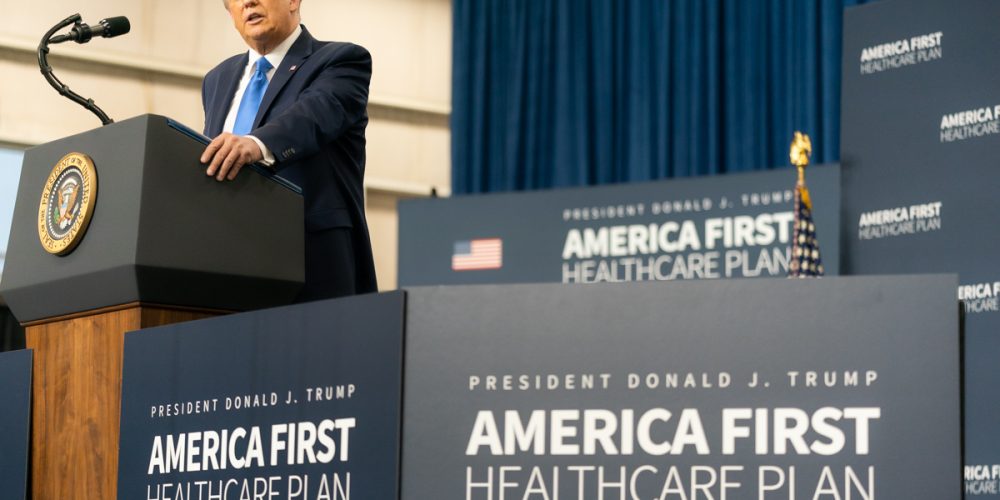
President Donald Trump’s recent comments on reshaping the U.S. healthcare payment system have reignited debate across the medical and financial sectors. His remarks, delivered during an interview focused on healthcare affordability, highlighted a vision for lowering costs and expanding access. The discussion has now prompted fresh analysis from industry leaders who believe the plan could bring major changes to insurers, hospitals and patients nationwide.
JPMorgan healthcare analyst Lisa Gill provided key insights on how the proposal might influence the broader market. She noted that Trump aims to simplify out-of-pocket expenses and push for more transparent pricing. His plan appears to focus on restructuring payment flows to reduce consumer confusion and give patients more clarity about medical bills.
Gill explained that the industry will closely monitor how these potential changes might affect reimbursement models. Many providers already operate on thin margins, and further pressure on payments could reshape how doctors and hospitals deliver care. She emphasized that policymakers must balance affordability with long-term sustainability to avoid disrupting essential services.
The conversation also touched on Trump’s interest in empowering consumers. His comments suggest he favors giving Americans more control over healthcare spending through flexible payment options and clearer cost structures. Gill believes these ideas could encourage innovation among insurers and technology companies working to streamline billing systems.
However, she also highlighted challenges. Transforming the payment infrastructure requires cooperation between insurers, providers and government agencies. Each group has different priorities, and aligning them may take significant time. Gill warned that rapid changes could cause confusion if not implemented carefully.
The interview raised questions about how the proposal may influence Medicare and Medicaid. These programs serve tens of millions and represent major portions of federal spending. Gill noted that any shift in payment models must consider their scale and complexity. Adjustments must protect vulnerable populations while controlling rising costs.
Investors are paying attention too. Healthcare stocks often move in response to policy signals, and Trump’s remarks added fresh uncertainty. Gill pointed out that companies in managed care, pharmacy benefits and digital health could see new opportunities if reforms encourage efficiency and cost reduction.
She also believes the focus on consumer-driven healthcare aligns with trends already shaping the industry. Many companies are developing platforms that help patients compare prices, track bills and manage insurance benefits. Gill expects these tools to grow more essential if policymakers push for broader transparency.
While Trump’s comments offered broad direction rather than detailed policy, Gill stressed that the next steps will matter most. Analysts expect more specifics in the coming months as lawmakers evaluate options for payment reform. Any major changes will likely roll out gradually to reduce disruption and give organizations time to adjust.
Despite uncertainties, Gill remains optimistic about the potential for improvement. She argues that the U.S. healthcare system needs clearer pricing and simpler billing. If executed thoughtfully, reforms could ease financial burdens for patients while promoting competition across the industry.
As the healthcare debate intensifies, stakeholders from Wall Street to Washington will continue to assess the administration’s emerging plans. The coming months may provide clearer answers on how payment reform could reshape the future of American healthcare.
Read More News : JPMorgan CEO Defends Fed Independence Amid Presidential Pressure









