

A growing body of research continues to highlight the Mediterranean diet as one of the strongest lifestyle choices for improving long-term health. New findings suggest that this eating pattern may not only reduce the risk of chronic disease but also support greater longevity. Scientists believe its unique mix of whole foods, healthy fats, and plant-based nutrients plays a key role in protecting the body from age-related decline.
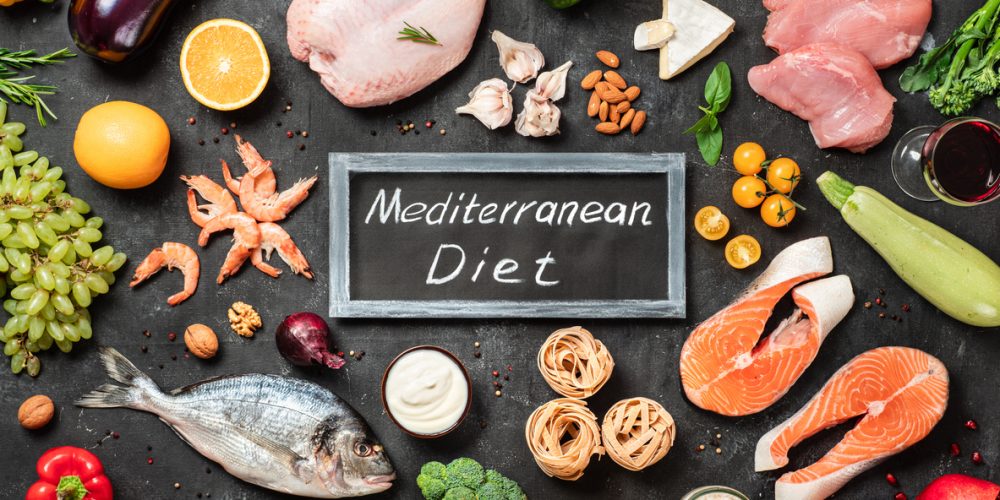
The Mediterranean diet centers on fruits, vegetables, whole grains, olive oil, nuts, legumes, and moderate fish intake. It limits red meat, processed foods, and added sugars. Researchers say this combination creates a nutrient-rich, anti-inflammatory foundation that supports heart health and metabolic stability. Many experts consider it one of the few diets with strong scientific evidence behind its benefits.
Recent studies show that people who follow the Mediterranean diet may lower their risk of heart disease, diabetes, cancer, and cognitive decline. The diet’s emphasis on healthy fats, especially from olive oil, helps reduce harmful cholesterol levels and support better blood vessel function. These improvements can reduce the likelihood of heart attacks and strokes.
Scientists also point to the diet’s strong anti-inflammatory properties. Chronic inflammation is linked to many serious conditions, including arthritis, Alzheimer’s disease, and certain cancers. Foods rich in antioxidants—such as leafy greens, berries, tomatoes, and nuts—help neutralize harmful molecules in the body. This protection may contribute to a slower aging process and improved cellular health.
Researchers also believe that lifestyle factors associated with Mediterranean cultures play an important role. Many people in Mediterranean regions eat meals with family, walk frequently, and maintain strong community relationships. These habits may further reduce stress and support better overall health. Experts note that diet works best when combined with regular movement and positive social connections.
Another key element is the diet’s impact on gut health. High fiber intake from fruits, vegetables, legumes, and whole grains supports a diverse gut microbiome. A strong microbiome can influence the immune system, mental health, and digestion. Some studies suggest that the Mediterranean diet may reduce the risk of depression and help maintain sharp thinking with age.
Researchers caution that the diet is not a quick fix. Long-term habits are necessary to see meaningful benefits. People who adopt the Mediterranean lifestyle over many years tend to experience better health outcomes compared with those who follow restrictive or short-term diets. The emphasis on balanced, enjoyable meals makes it easier to maintain than extreme eating plans.
Scientists continue to investigate exactly how different elements of the diet work together. Early findings suggest that no single food is responsible for the benefits. Instead, the overall pattern of eating supports healthy aging. Experts recommend focusing on gradual changes—such as replacing butter with olive oil or adding more vegetables to daily meals—to make the transition easier.
As chronic diseases continue to rise globally, the Mediterranean diet offers a sustainable way to improve long-term health. Its blend of wholesome foods, healthy fats, and supportive lifestyle habits makes it a powerful tool for disease prevention. For many, it may also be a key to living longer with better quality of life.
Related News : “Eat Your Way to a Glow”: Pharmacist with PhD Shares 4 Simple Diet Secrets for Ageless Skin









