

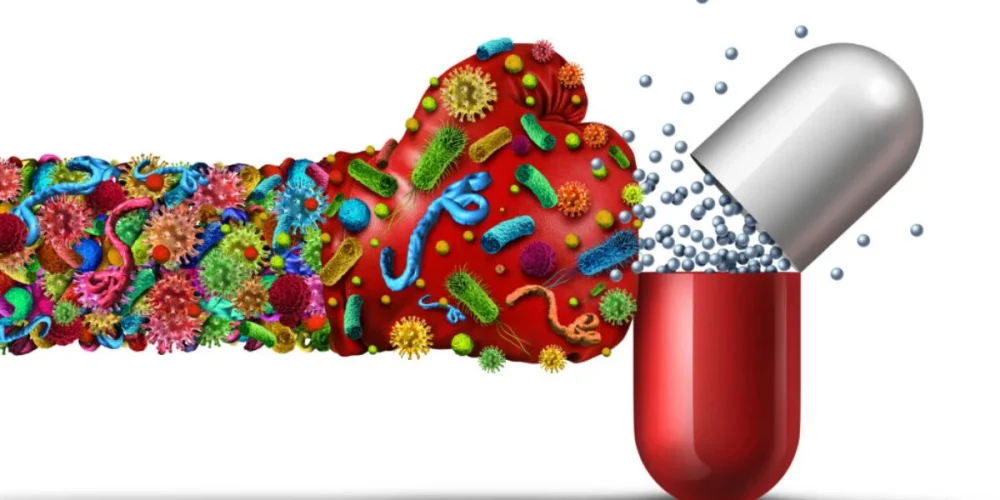
The UK is launching a major artificial intelligence (AI) drive to tackle drug-resistant infections, often called the “silent pandemic”.
In a £45m collaboration, the Fleming Initiative and pharmaceutical giant GSK will use powerful AI tools to speed up the discovery of new antibiotics and treatments. The project will also explore ways to combat deadly fungal infections, including Aspergillus, which can be fatal for people with weak immune systems.
Drug resistance happens when bacteria evolve to survive antibiotic treatment. Overuse and misuse of antibiotics accelerate this process. As a result, common infections become harder – and sometimes impossible – to treat. Superbugs are already linked to millions of deaths globally each year, and that number is expected to grow.
Dr Andrew Edwards from Imperial College London will focus on some of the toughest bacterial enemies: Gram-negative bacteria such as E. coli and Klebsiella pneumoniae. These bugs have an extra outer membrane that acts like an armoured shield. They can block antibiotics from entering and pump out any that get through, making them very hard to kill.
His team will run experiments using thousands of different molecules. They will track which chemicals can enter these bacteria and stay inside long enough to work. AI systems will then analyses this data to learn the patterns behind successful penetration and persistence.
Real-world cases already show how urgent this is. Doctors treating wounded patients from conflict zones, including Ukraine, are reporting infections that do not respond to any available antibiotic. In some situations, the only option is amputation.
The project will also test AI models that act like infection “weather forecasts”, predicting where resistant bugs or dangerous fungi may spread next. This could help health systems act earlier with targeted prevention, rather than reacting after outbreaks explode.
Leaders behind the Fleming Initiative say antibiotics have been one of humanity’s greatest medical tools – but also one of the most misused. They hope this new wave of AI-powered research will help restore the balance: smarter use of current drugs, and faster discovery of new ones, before resistance surges further out of control.
Related Article : AI Helps Reveal How New Antibiotic Targets Gut Bacteria









