

KEY POINTS
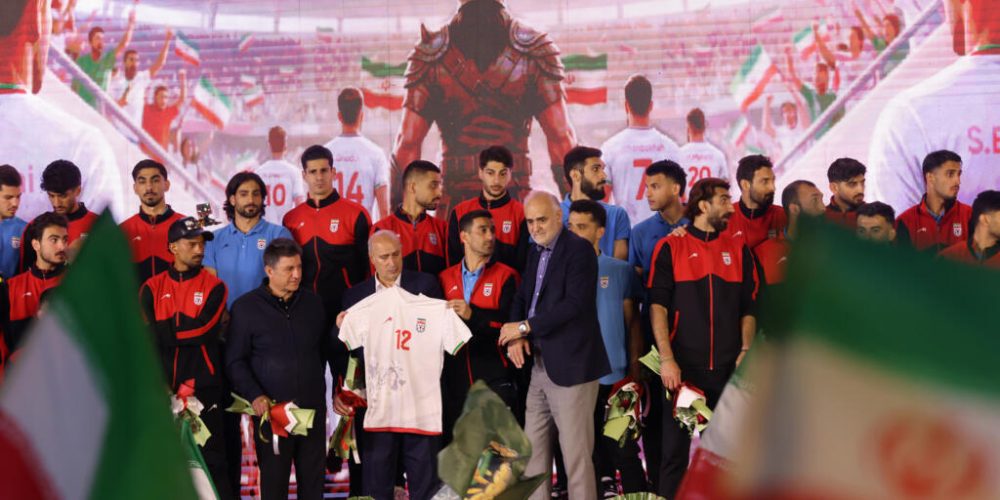
- The Iranian national soccer team has gathered in Turkey to begin an emergency training camp.
- Domestic sports schedules were entirely halted due to recent regional geopolitical conflicts.
- Team officials face severe logistical hurdles ahead of upcoming international qualifying matches.
The Iranian national soccer team has officially launched a high-intensity training camp in Turkey as they scramble to overcome a lengthy, conflict-enforced hiatus from competitive sports. Following a complete shutdown of domestic athletic activity due to recent regional warfare, players have arrived at the international camp facing significant conditioning deficits. For global sports fans watching the qualification cycle unfold, the squad’s journey represents a dramatic race against the clock to salvage their competitive ambitions.
What You Need to Know
The operational realities for the Iranian national team became highly precarious over the preceding months as escalating geopolitical conflicts forced a total freeze on domestic sports leagues. Football stadiums across the country were shuttered, and regular training schedules were abandoned as public safety and national security took absolute precedence. This extended period of forced inactivity left professional athletes without access to elite training facilities, structured coaching, or competitive match sharpness for an extended duration.
Faced with an absolute freeze at home, sports administrators had to orchestrate a complex logistical escape to establish a secure base of operations abroad. Turkey was selected as the ideal destination due to its proximity, advanced sporting infrastructure, and neutral training environment. The primary objective of this emergency gathering is to rapidly rebuild the squad’s baseline physical conditioning, which has fallen far below the standards required for international competition.
The timing of this training camp is incredibly tight, leaving the coaching staff with minimal room for error. Crucial international fixtures are looming on the horizon, meaning the technical staff must compress months of physical preparation into a matter of weeks. The situation has placed immense pressure on the federation to quickly secure the release of overseas-based players to join their domestically isolated teammates.
Rebuilding National Team Fitness Abroad
The immediate focus of the training camp in Turkey is purely physiological, as coaches attempt to reverse the competitive decay caused by the long layoff. Players are currently undergoing grueling multi-session daily routines designed to restore aerobic capacity, muscular endurance, and tactical sharpness. Coaching staff members have noted that while the players possess immense patriotic pride, the lack of match practice presents a massive hurdle that cannot be solved through enthusiasm alone.
Compounding the physical challenges are the profound psychological burdens carried by the roster. Many athletes have spent weeks worrying about family safety and the broader implications of the regional instability back home. Team psychologists and senior leadership are working continuously alongside the fitness trainers, trying to foster a focused, insular environment where players can temporarily compartmentalize external anxieties and focus entirely on athletic performance.
Logistical complications continue to hinder the coaching staff’s idealized preparation plans. Travel restrictions, visa delays, and club release disputes mean the squad is assembling in piecemeal fashion rather than as a unified group. Despite these structural disadvantages, team leaders have publicly stated that the hardships have forged a deep sense of shared purpose within the locker room, transforming the camp into a mission that transcends ordinary sporting objectives.
Why This Matters
For sports fans and international relations analysts in the United States, the mobilization of the Iranian team illustrates the profound intersection of global politics and international sport. While American professional leagues operate within a highly stable commercial environment, global soccer frequently acts as a direct mirror to geopolitical crises. Seeing a national team forced into exile just to maintain basic physical conditioning highlights the fragile nature of international sports governance during times of global volatility.
Additionally, this situation provides a compelling look at human resilience and sports science under extreme duress. High-performance trainers and sports scientists worldwide are observing how elite athletes adapt to sudden, prolonged disruptions in training cycles caused by non-sporting crises. The methods utilized during this camp offer valuable insights into rapid physical conditioning reconditioning, data that could influence future training protocols for sports organizations dealing with unexpected emergency shutdowns.
NCN Analysis
From our perspective at NextClickNews, the Iranian national team is facing an almost insurmountable task as they try to prepare for elite international competition. Soccer at this level relies on precise physical peak performance and highly synchronized tactical chemistry, both of which are deeply eroded by months of total inactivity. While emotional resolve and adversity can occasionally inspire underdog triumphs, the cold reality of sports science suggests that a lack of match sharpness is incredibly difficult to overcome in a compressed timeframe.
Looking forward, the success of this camp will depend entirely on how quickly the coaching staff can transition from basic physical rehabilitation to complex tactical integration. If the squad can avoid soft-tissue injuries during this intense conditioning phase, they may manage to remain competitive in their upcoming fixtures. However, the long-term outlook for the program remains highly volatile as long as domestic sports infrastructure remains disrupted by regional instability.
The path toward international qualification will serve as a definitive test of whether collective willpower can overcome a total collapse of professional preparation.
Reported by the NCN Editorial Team









