

KEY POINTS
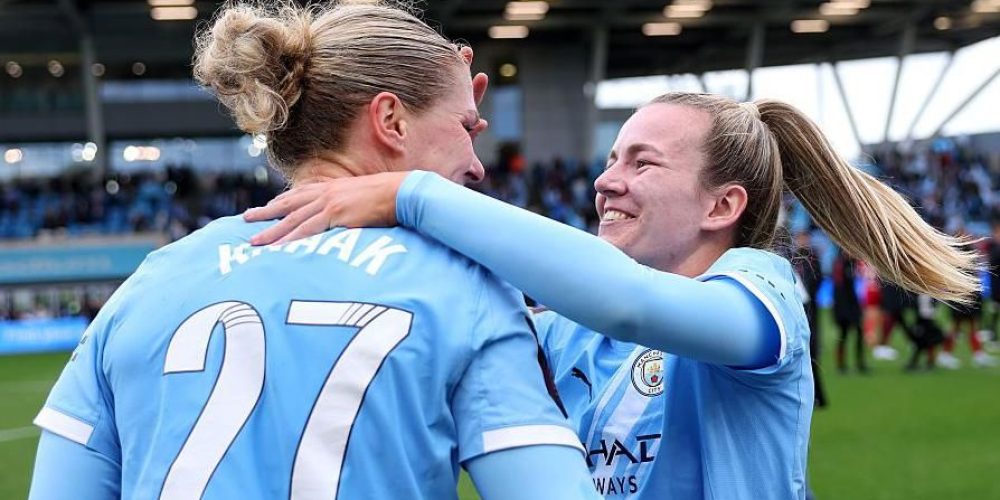
- Manchester City clinched the Women’s Super League trophy following a dominant season defined by consistency and a revamped defensive structure.
- Manager Gareth Taylor’s strategic shift toward a more aggressive, high-pressing system proved decisive in overcoming long-term rivals.
- The victory marks a significant shift in the English power dynamic, ending a period of dominance by London-based clubs.
Manchester City has officially ascended to the summit of English football, capturing the Women’s Super League (WSL) title after a season of relentless tactical precision. This championship marks a crowning achievement for a squad that has spent years in the shadows of rivals, finally finding the formula to maintain a winning edge throughout a grueling campaign. For American fans of the global game, City’s rise represents the pinnacle of modern club development and a blueprint for sustained success in women’s professional sports.
What You Need to Know
The journey to this title was not an overnight success but rather the result of a multi-year project led by manager Gareth Taylor. Historically, Manchester City has been known for a possession-based style of play that, while aesthetically pleasing, often lacked the clinical edge required to navigate the high-pressure moments of a title race. In previous seasons, the team frequently fell short during the final stretch, often relegated to second or third place behind Chelsea or Arsenal.
The landscape of the WSL has shifted dramatically over the last five years, with increased investment and a surge in global viewership. As the league’s profile grew, so did the level of competition. Manchester City responded to this challenge by not only recruiting world-class talent but also by overhauling their internal culture. This involved a shift in “language” within the locker room—prioritizing a “winners’ mindset” and accountability over merely sticking to a specific aesthetic of play.
Furthermore, the integration of international stars alongside homegrown English talent has been a cornerstone of the club’s strategy. By blending the technical proficiency of European scouting with the physical intensity required in the English game, City created a roster capable of handling diverse tactical challenges. This title is the validation of that long-term recruitment strategy and a signal that the club’s infrastructure is now among the best in the world.
The Strategic Shift and Title Race Mastery
The defining characteristic of Manchester City’s championship run was their ability to adapt their tactical identity. While they maintained their signature ball control, there was a visible shift toward a more pragmatic and resilient defensive line. Taylor implemented a system that utilized high-intensity pressing to disrupt opponents earlier in their buildup play. This prevented the “counter-attack vulnerability” that had plagued the team in previous years, allowing them to suffocate games and protect narrow leads.
Key to this execution was the form of their core players, who demonstrated a newfound mental toughness. Throughout the season, City faced numerous “must-win” scenarios, particularly during the mid-season grind where injuries often derail title contenders. Unlike in past years, the squad depth allowed for seamless transitions. When starters were sidelined, the tactical system remained rigid, proving that the team’s success was built on a collective philosophy rather than individual brilliance alone.
The rivalry with Chelsea remained the focal point of the season’s narrative. For much of the year, the two clubs were locked in a statistical dead heat, with the lead changing hands multiple times. The turning point occurred during the final third of the season, where City displayed a level of focus that their competitors could not match. By securing points in difficult away fixtures and maintaining a nearly flawless home record, they built a lead that eventually became insurmountable.
This triumph also highlights the evolution of Gareth Taylor as a strategist. Often criticized in his early tenure for being too rigid with his “Plan A,” Taylor showed a willingness to make bold in-game adjustments this season. Whether switching to a back three to see out a game or utilizing a more direct attacking route when teams sat deep, his tactical flexibility was the engine behind City’s march to the trophy.
Why This Matters
For the American audience, the rise of Manchester City in the WSL is particularly relevant due to the increasing “Americanization” of European soccer. Many US Women’s National Team (USWNT) players have historically looked to the WSL as a destination for top-tier competition, and City has often been a preferred landing spot. Success for a club of this stature elevates the entire league’s commercial value, which in turn influences how US-based media companies invest in broadcasting rights and coverage of women’s sports.
Additionally, City’s success provides a case study for American professional leagues, such as the NWSL, on how to integrate a women’s program into a massive global sporting brand. The “City Football Group” model shows that when a women’s team is given the same level of analytical support, marketing, and facilities as the men’s side, the results follow. This victory will likely encourage more US investors and sports executives to view women’s soccer as a primary pillar of a sports business rather than a secondary venture.
NCN Analysis
The Manchester City title win is more than just a trophy; it is a sign of a permanent shift in the English football hierarchy. For years, the WSL was defined by Chelsea’s dominance under Emma Hayes. With City breaking that cycle through a combination of tactical innovation and psychological grit, the league enters a new era of parity. We expect this to trigger a “spending arms race” among other top European clubs who now see that the gap between them and the summit is bridgeable with the right structural changes.
Looking forward, the challenge for Manchester City will be “the hunt.” Winning a title is difficult, but defending it against a reinvigorated field is an entirely different feat. They will likely focus their upcoming transfer windows on adding even more pace to their wings and securing a long-term successor for their aging midfield core. For the global viewer, the WSL has officially become the most unpredictable and competitive women’s league in the world, and Manchester City is now the team everyone is chasing.
The blueprint for success has been rewritten, proving that a shift in mindset is just as valuable as a shift in tactics.
Reported by the NCN Editorial Team









