

KEY POINTS
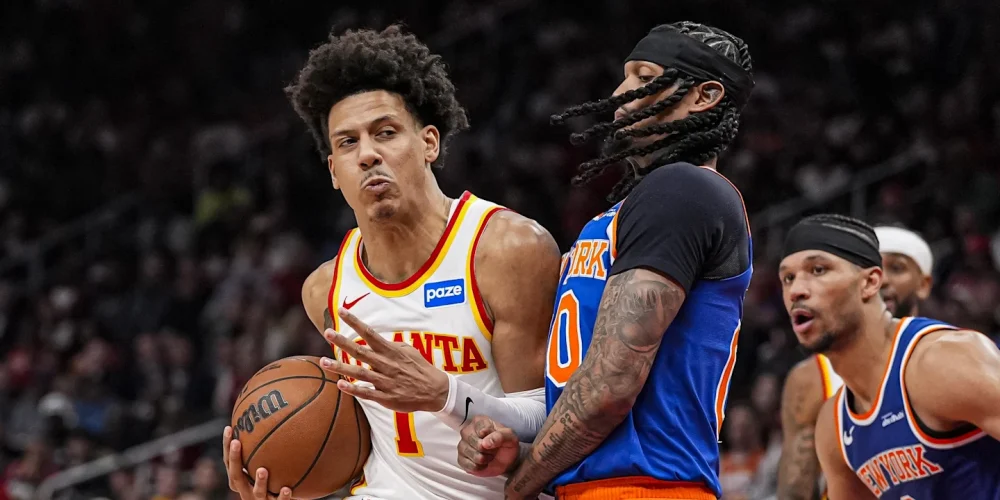
- The New York Knicks have utilized a relentless, physical defensive strategy to stifle the Atlanta Hawks’ high-powered offense.
- New York now stands just one win away from advancing to the next round, holding a commanding lead in the best-of-seven series.
- Dominance on the boards and second-chance points have proven to be the decisive factors in the Knicks’ postseason surge.
The New York Knicks are on the verge of a significant postseason breakthrough, relying on a bruising style of play to push the Atlanta Hawks to the edge of elimination. Throughout the series, the Knicks have imposed their will in the paint and on the perimeter, forcing the Hawks into uncharacteristic errors and contested shots. This return to a “defense-first” identity has revitalized the Madison Square Garden faithful and placed New York in the driver’s seat as they look to close out the series.
What You Need to Know
For decades, New York basketball has been synonymous with a specific brand of physicality—a “blue-collar” approach that prioritizes grit, rebounding, and defensive intimidation. Under the current coaching staff, the Knicks have fully embraced this heritage, building a roster that excels in high-contact situations and thrives when the game slows down. This approach is particularly effective in the playoffs, where officiating often becomes more lenient and every possession carries increased weight.
The Atlanta Hawks, by contrast, represent the modern NBA’s focus on speed, spacing, and elite perimeter shooting. Led by a backcourt that thrives on pick-and-roll efficiency and deep three-pointers, the Hawks prefer a high-tempo game that can stretch opposing defenses to their breaking point. The clash between these two polar opposite styles has defined the series, with New York successfully turning the matchup into a “half-court grind” that favors their superior strength and length.
In the playoffs, the ability to control the “glass”—both offensive and defensive rebounding—often dictates the winner. The Knicks have prioritized this aspect of the game, utilizing their frontcourt depth to limit the Hawks to a single shot per possession while generating extra scoring opportunities for themselves. This physical advantage has not only helped New York win games but has also appeared to wear down the Hawks’ primary scorers as the series has progressed.
Dominating the Paint and the Perimeter
The Knicks’ success in reaching the brink of advancement can be traced to their refusal to allow easy paths to the basket. New York’s interior defenders have been particularly effective at “verticality,” contesting layups without fouling and forcing Atlanta’s guards into difficult floaters or kick-out passes. This rim protection has forced the Hawks to become overly reliant on outside shooting, which has gone cold under the pressure of New York’s tight perimeter closeouts.
Beyond the tactical adjustments, there is a clear psychological component to the Knicks’ physicality. By initiating contact early in the shot clock and fighting through every screen, New York has disrupted the rhythm and flow that the Hawks’ offense requires to be successful. This “bruising” style often leads to frustration, and the Hawks have struggled to maintain their composure during the critical closing minutes of games where the physicality typically intensifies.
Offensively, the Knicks have used their strength to bully smaller defenders. Their primary playmakers have consistently hunted mismatches, driving into the chest of defenders to draw fouls or finish through contact. This aggressive mindset has kept the Knicks in the bonus for large portions of the second half in recent games, allowing them to build leads from the free-throw line while the clock is stopped. The result is a cumulative effect where the opponent is forced to play a style they aren’t comfortable with.
Why This Matters
For American basketball fans, the Knicks’ resurgence represents the return of a storied franchise to the upper echelon of the league. A successful New York team is widely considered “good for the NBA,” as it drives massive media engagement and creates an electric atmosphere that resonates across the global sporting landscape. The team’s emphasis on hard work and physicality also appeals to a broad demographic of fans who appreciate the “old school” elements of the sport.
Furthermore, this series highlights a growing trend in the NBA: the return of “playoff defense.” After years of skyrocketing offensive numbers, teams like the Knicks are proving that a disciplined, physical defensive unit can still shut down the league’s most explosive scorers when it matters most. For coaches and scouts at all levels, the Knicks serve as a case study in how to build a winning culture through effort and physical accountability rather than just raw offensive talent.
NCN Analysis
The Knicks have the Hawks exactly where they want them, but the final win is always the most difficult to secure. Atlanta still possesses enough firepower to stage a comeback if the Knicks relax their defensive intensity for even a single quarter. At NextClickNews, we anticipate that the Hawks will attempt to counter New York’s physicality by using more “off-ball” movement and quicker passes to avoid the initial point-of-attack contact.
The key for New York in the upcoming game will be maintaining their discipline. They must be careful not to cross the line from “physical” to “reckless,” as early foul trouble for their key big men could open the door for an Atlanta rally. If the Knicks can keep the game’s pace slow and continue to win the rebounding battle, they are almost certain to advance. The atmosphere in New York is currently one of cautious optimism, but the city is ready for a long-awaited celebration.
The Knicks have proven that toughness still wins championships, or at least, playoff series.
Reported by the NCN Editorial Team









