

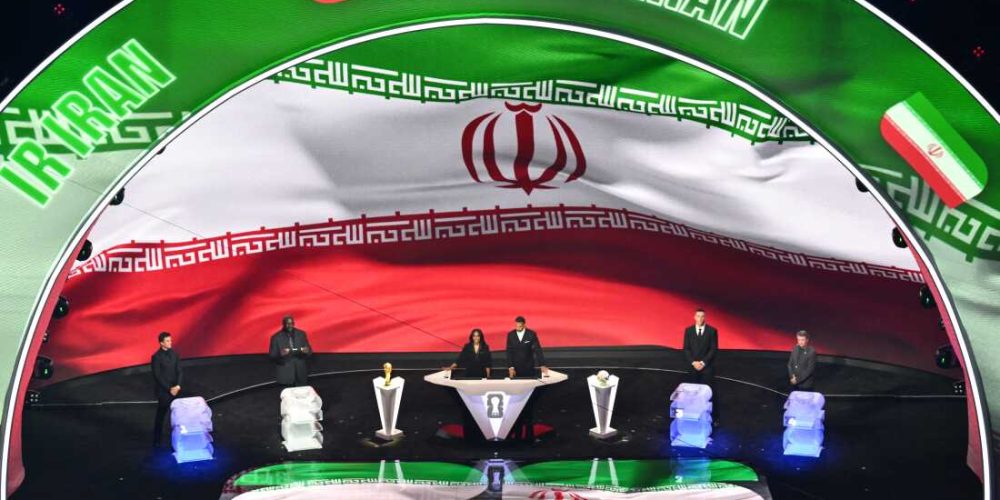
KEY POINTS
- Iranian football federation leaders will not attend the upcoming FIFA Congress scheduled to take place in Canada.
- The delegation’s absence is reportedly due to complications and delays in the visa issuance process by Canadian authorities.
- This development occurs as North America prepares to host the 2026 World Cup, highlighting ongoing diplomatic friction.
The Iranian Football Federation has confirmed that its top officials will not be present at the 75th FIFA Congress in Canada this week. The decision follows a series of administrative hurdles regarding entry visas, preventing the delegation from participating in one of international soccer’s most significant annual summits. This absence marks a notable disruption in sports diplomacy just as the host nation gears up for the 2026 World Cup.
What You Need to Know
The FIFA Congress serves as the supreme legislative body of international soccer, where representatives from 211 member associations gather to vote on statutes, budgets, and future tournament hosting rights. For Iran, a perennial powerhouse in Asian football, presence at these meetings is vital for maintaining its influence within the global sporting community. However, the logistical journey to North American soil has become increasingly complex due to the fractured diplomatic relationship between Tehran and Ottawa.
Canada officially severed diplomatic ties with Iran in 2012, closing its embassy in Tehran and expelling Iranian diplomats from Canadian soil. In the years since, the lack of direct consular services has forced Iranian citizens, including high-profile athletes and sports officials, to seek Canadian visas through third-country processing centers in places like Turkey or the United Arab Emirates. This cumbersome process frequently leads to delays that clash with the rigid timelines of international sporting calendars.
In the sports world, these administrative barriers are often viewed as a “soft” form of political pressure. While FIFA mandates that host nations must provide entry to all qualifying member associations and their officials, the reality of national security policies and immigration laws often creates a stalemate. This is not the first time Iranian sports figures have faced such obstacles; similar visa issues have previously affected the national wrestling team and volleyball squads traveling to competitions in the United States and Canada.
International Soccer and Diplomatic Deadlocks
The primary cause cited for the missed congress is the failure of the Canadian government to issue the necessary travel documents in a timely manner. Reports from Iranian state-affiliated media suggest that while applications were submitted through the appropriate channels, the processing time exceeded the window required for the federation leaders to reach the venue. Consequently, the Iranian Football Federation (FFIRI) opted to withdraw its attendance rather than wait for last-minute approvals that might never materialize.
This specific withdrawal is particularly sensitive because Canada is one of the three co-hosts for the 2026 FIFA World Cup, alongside the United States and Mexico. The ability of a host nation to facilitate the entry of all global participants is a cornerstone of FIFA’s hosting agreements. When a host country appears to restrict access—whether intentionally through policy or unintentionally through bureaucracy—it raises questions about the fairness and inclusivity of the tournament’s organization.
The Iranian delegation usually utilizes these meetings to lobby for increased funding, discuss international friendly match schedules, and negotiate with Asian Football Confederation (AFC) partners. By missing this session, the FFIRI loses a crucial platform for face-to-face networking. The absence of the federation’s president and secretary-general means that Iran’s voice will be absent during discussions that could shape the financial and structural future of the sport leading up to the 2026 cycle.
Within Iran, the reaction has been one of frustration, with sports officials characterizing the visa delay as an unprofessional mix of politics and athletics. The Iranian side maintains that they fulfilled all necessary requirements and that the bottleneck sits entirely with the Canadian immigration services. Meanwhile, FIFA has generally maintained a stance that urges hosts to facilitate access, though the organization rarely has the power to override the sovereign immigration laws of a G7 nation.
Why This Matters
For American readers and the broader North American public, this incident serves as a prelude to the logistical and political challenges of the 2026 World Cup. As the United States, Canada, and Mexico prepare to welcome millions of fans and hundreds of official delegations, the friction between national security protocols and the “open door” policy required for international sporting events will be a recurring theme. If visa issues can block federation heads from a meeting, the potential for similar disruptions affecting players or fans during the actual tournament is a legitimate concern.
Furthermore, this situation highlights the evolving nature of sports as a geopolitical battleground. While the phrase “keep politics out of sports” is frequently cited, the reality is that visas and travel permissions are inherently political tools. For businesses involved in the 2026 World Cup—from hospitality to broadcasting—any instability or perceived hostility toward specific participating nations could impact the global brand of the tournament. Ensuring that the 2026 event remains a “world” cup rather than a “Western” cup is essential for its commercial and cultural success.
NCN Analysis
The failure to secure visas for Iranian officials suggests that the “sporting carpool” of the 2026 World Cup hosts still has significant hurdles to clear regarding diplomatic consistency. At NextClickNews, we anticipate that FIFA will face increasing pressure to extract firmer guarantees from the U.S. and Canadian governments regarding the 2026 games. If a qualifying team like Iran—currently ranked among the best in Asia—were to face similar visa hurdles for their players in two years, it would spark a global sporting crisis that could result in boycotts or legal challenges.
Moving forward, watch for how FIFA President Gianni Infantino addresses the “access” issue in his closing remarks at this year’s congress. There is a high probability that FIFA will seek to implement a more streamlined, “Olympic-style” accreditation system for 2026 that bypasses traditional visa wait times. However, given the current geopolitical climate, particularly involving Middle Eastern relations, the tension between border security and sporting inclusivity is likely to tighten rather than loosen.
The absence of Iran in Canada is a small but loud signal that the road to the 2026 World Cup will be paved with complex administrative and diplomatic challenges.
Reported by the NCN Editorial Team









