

KEY POINTS
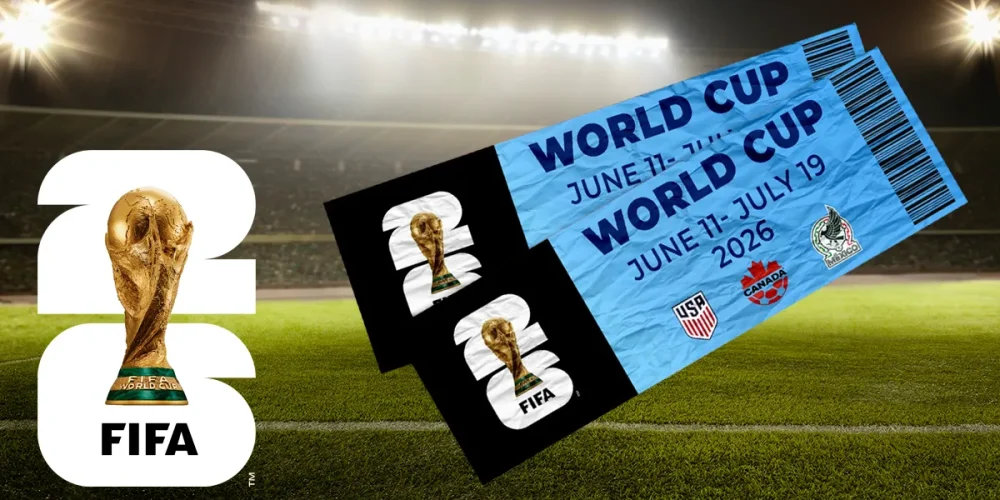
- FIFA has officially entered its last-minute sales phase for the 2026 tournament, releasing remaining inventory for all 104 matches.
- Fans can now secure seats on a first-come, first-served basis through the official FIFA portal, with tickets spanning various price categories.
- Over five million tickets have already been distributed, leaving only a final fraction of the total six-million-plus capacity available for late buyers.
With the opening kickoff now just 50 days away, the global scramble to secure a spot at the 2026 World Cup has officially entered its final, high-pressure phase. FIFA has unlocked the vault for its last-minute ticket inventory, providing fans with what is effectively the last realistic opportunity to purchase seats for any of the 104 matches scheduled across the United States, Mexico, and Canada. As the tournament approaches its June 11 start date, the window for securing these remaining spots is expected to close rapidly as demand outstrips the slim supply.
What You Need to Know
The 2026 tournament represents a historic expansion in the world of professional soccer. By increasing the field to 48 teams, organizers have dramatically boosted the number of total matches to 104, necessitating a massive logistical effort across 16 host cities. This version of the event marks the first time three nations have jointly hosted, presenting unique travel and visa considerations for international attendees who must navigate the distinct entry requirements of the U.S., Canada, and Mexico.
FIFA’s ticketing strategy has been characterized by phased releases, intended to manage the sheer volume of interest from a global audience. While the vast majority of the six-million-plus capacity has already been claimed in prior rounds, this current, final window is distinct because it operates on a direct, first-come, first-served model. Unlike earlier lottery-style phases, success now relies heavily on speed and digital patience as users navigate anticipated virtual queues.
A Final Sprint for Soccer’s Biggest Stage
The latest inventory drop includes a range of seating options, from premium front-row locations to standard categories 1 through 3. Prospective attendees should note that while this week marks a major release, it is not necessarily the final time tickets will hit the market. FIFA has indicated that additional batches may be released sporadically leading all the way up to the tournament final on July 19, provided there is availability.
The transition to this last-minute sales phase is not without tension. Recent months have seen a vocal pushback from American lawmakers and consumer advocacy groups regarding the cost of entry. Critics have specifically targeted the governing body’s use of high-demand pricing models, labeling them as exclusionary measures that price out the traditional, grassroots fan base. In response, FIFA has consistently maintained that it utilizes a variable pricing structure—adjusting costs based on specific match demand and availability—rather than the fully automated, algorithmic dynamic pricing that has become common in the commercial concert and sports industry.
To address affordability concerns, a specialized $60 “Supporter Entry Tier” was introduced in late 2025. These specific tickets are earmarked for fans of nations that successfully qualified for the tournament and represent approximately 10 percent of the total allocation for participating football associations. However, for the average general public attendee, the math remains demanding, and the speed at which these tickets vanish suggests that price sensitivity may be secondary to the sheer desire to be part of an event that will likely not return to North American soil for decades.
Why This Matters
For American fans and businesses, this final sales phase represents more than just a sports transaction; it is a signal that the infrastructure of the tournament is shifting from administrative planning to actual crowd management. The surge in ticket demand places immediate pressure on local hospitality sectors in the 16 host cities. Businesses—from hotels in Los Angeles to restaurant chains in New Jersey—are now tracking these sales waves to calibrate their own staffing and inventory levels as the countdown dips below two months.
Beyond the immediate commercial impact, the scarcity of these tickets highlights the cultural significance of the sport’s growing footprint in the United States. The aggressive pursuit of these final seats indicates that domestic interest has transitioned from casual observation to high-intent participation. For the casual fan, the rapid depletion of inventory serves as a stark reminder that the “home field” experience of a World Cup is a rare, hyper-competitive commodity that requires significant planning, financial commitment, and, above all, perfect timing.
NCN Analysis
Looking forward, the focus will likely shift from ticket availability to the secondary resale market. As the tournament nears, fans who initially secured seats but find themselves unable to attend will lean on the official FIFA Resale/Exchange Marketplace. This platform remains the only sanctioned way to transfer tickets, serving as a critical safety net against the fraud that often permeates the unregulated secondary ticketing sector. Readers should prioritize this official channel to ensure their purchases remain valid.
The coming weeks will likely see a spike in “event-based” travel planning, where fans who successfully secure tickets will begin finalizing visas and accommodation. Given the unique cross-border nature of the 2026 edition, we anticipate significant traffic to government portals as fans reconcile ticket confirmation with travel eligibility. Our suggestion is simple: if you have a ticket in your cart, do not delay the transaction. The digital queue for the 2026 World Cup is one of the most competitive spaces in sports right now, and waiting even a few minutes can mean the difference between witnessing history and watching it on a screen.
The final window for the 2026 World Cup is now open, offering a fleeting chance to claim your seat before the tournament begins on June 11.
Reported by the NCN Editorial Team









