

KEY POINTS
- Eight medical professionals face “homicide with eventual intent” charges regarding the 2020 passing of the global sports icon.
- Prosecutors allege that the care provided to Maradona during his home recovery was reckless and plagued by significant omissions.
- The legal proceedings represent a pivotal moment for Argentina as the nation seeks accountability for its most beloved athlete.
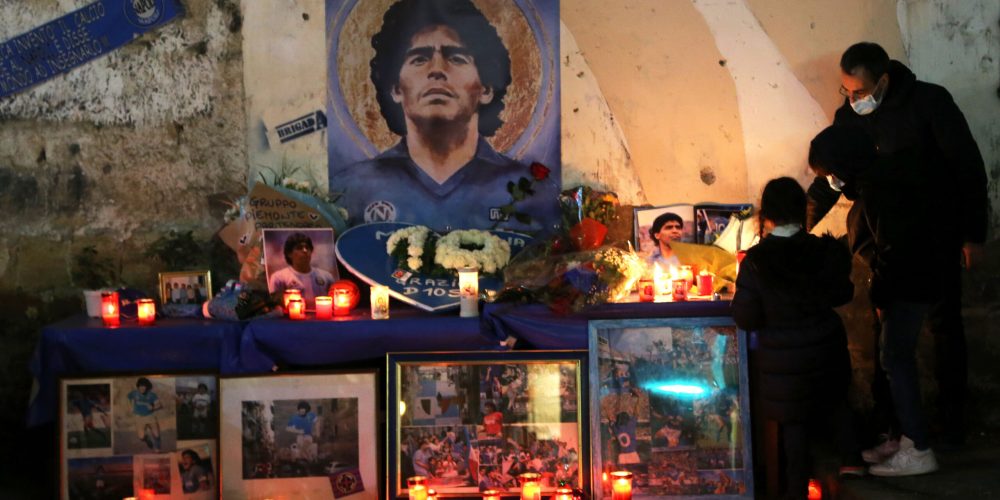
The quest for justice regarding the death of Diego Maradona entered a decisive new phase today as a fresh trial commenced in a San Isidro courtroom. Over five years since the soccer legend died of a heart attack while recovering from brain surgery, the Argentine legal system is scrutinizing the actions of his medical team to determine if professional negligence crossed into criminal culpability. For fans and observers globally, the trial is more than a legal formality; it is a high-stakes examination of the final days of a man who personified Argentine national identity.
What You Need to Know
Diego Maradona, arguably the greatest soccer player to ever live, died in November 2020 at the age of 60. While his death was officially attributed to a heart attack, the circumstances surrounding his post-operative care at a rented home in Tigre, north of Buenos Aires, immediately drew suspicion. Following an initial investigation, a medical board concluded that the treatment provided to the “Golden Boy” was “deficient, reckless, and indifferent,” suggesting that he had been left to his fate.
The current trial focuses on eight individuals, including his neurosurgeon, a psychiatrist, and several nurses. The charge of “homicide with eventual intent” (homicidio simple con dolo eventual) is a specific legal category in Argentina. It suggests that while the defendants may not have set out to kill Maradona, they were aware that their substandard care could lead to his death and chose to proceed anyway. If convicted, the medical professionals face sentences ranging from 8 to 25 years in prison.
The case has been delayed multiple times by appeals and procedural hurdles, but the 2026 proceedings are expected to feature testimony from dozens of witnesses, including family members and medical experts. For the Argentine public, the trial reopens the deep wounds of a national tragedy, forcing a confrontation with the reality that their hero may have spent his final hours in avoidable distress.
Medical Negligence Allegations and the Push for Accountability
The prosecution’s case rests on the argument that Maradona’s home-care setup was entirely inadequate for a patient with his complex medical history. Evidence presented in the lead-up to the trial suggests that the residence lacked basic medical equipment, such as an oxygen tank or a defibrillator, and that the staff failed to monitor his deteriorating heart condition. Prosecutors claim that the medical team ignored clear warning signs of heart failure in the days preceding his death.
Among the key figures on trial is neurosurgeon Leopoldo Luque, who performed the surgery on Maradona for a subdural hematoma just weeks before his passing. Luque, along with psychiatrist Agustina Cosachov, has consistently denied wrongdoing, maintaining that they did their best to manage a difficult and often uncooperative patient. However, leaked voice notes and messages between the medical staff have painted a picture of a disorganized and sometimes dismissive environment surrounding the star’s recovery.
The timeline of events is critical to the court’s decision. Witnesses will be asked to detail the specific protocols—or lack thereof—followed during the 12 hours leading up to the discovery of Maradona’s body. The prosecution intends to prove that there was a deliberate choice to ignore the severity of his condition to avoid the logistical or financial complications of a second hospitalization. This “willful blindness” is the cornerstone of the eventual intent charge.
As the proceedings unfold, the defense is expected to argue that Maradona’s death was a natural consequence of a lifetime of health struggles, including heart disease and substance abuse issues. They will likely contend that the medical professionals cannot be held criminally responsible for the sudden failure of an organ that had been compromised for decades. The trial is expected to last several months, with the eyes of the global sporting community fixed on the courtroom in San Isidro.
Why This Matters
For the international audience, particularly in the United States, this trial highlights the immense legal and ethical pressures associated with high-profile celebrity medical care. The case serves as a cautionary tale regarding “concierge medicine” and the risks of providing care in non-clinical settings without sufficient oversight. It raises fundamental questions about whether fame and status inadvertently lead to lower standards of care when medical professionals become too close to their famous clients or feel intimidated by their entourages.
Furthermore, the trial has a significant impact on the global “Maradona brand” and the management of his estate. With his daughters, Dalma and Gianinna, leading the charge for justice, the outcome will influence how his legacy is protected and how his final days are recorded in history. For business interests tied to his name, a conviction would bring a sense of closure to a dark chapter, whereas an acquittal could fuel years of further conspiracy theories and public unrest in Argentina.
NCN Analysis
The Maradona trial is as much about national catharsis as it is about law. At NextClickNews, we anticipate that the prosecution will face a high bar in proving “intent.” While negligence may be easy to document, proving that the medical staff consciously accepted the risk of his death is a far more complex legal hurdle. However, the political and social pressure for a conviction is immense; the Argentine government and the judiciary are well aware that a failure to find accountability for a national icon would be seen as a failure of the state itself.
Watch for the testimony of the nursing staff, who may provide the most granular details of the daily failures. We also expect this trial to prompt a broader legislative discussion in Argentina and Europe regarding the regulation of home-based intensive care. Regardless of the verdict, the trial will likely cement the narrative that the end of Diego Maradona’s life was a lonely and neglected affair, a tragic contrast to the vibrant, crowded life he led on the pitch.
The trial stands as a final, somber whistle for a career that defined an era of global soccer.









