

KEY POINTS
- An unseasonal heatwave triggered an early emergence of diverse floral species, accelerating the typical botanical calendar.
- A subsequent cold snap effectively preserved the blossoms, extending the viewing season and preventing premature wilting.
- The overlapping bloom cycles are providing a critical window for local pollinator populations, aiding biodiversity during a volatile weather year.
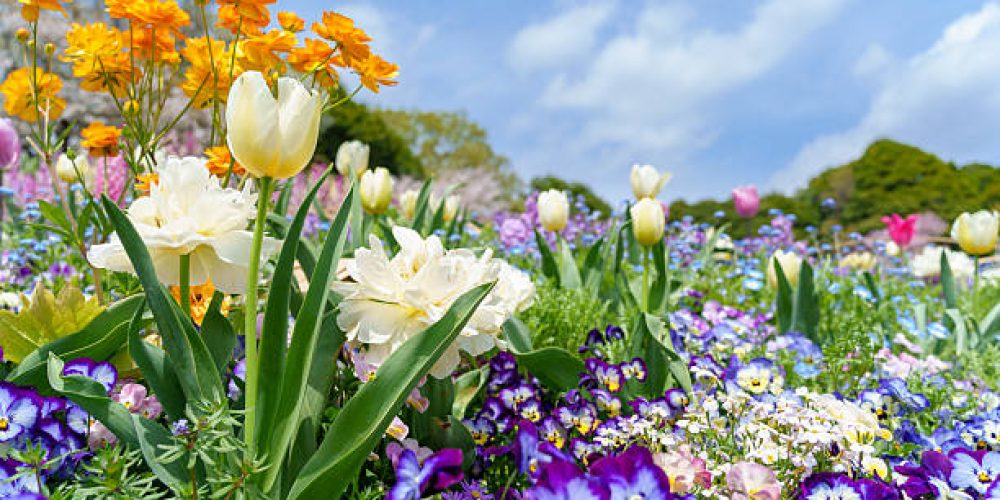
An extraordinary meteorological “sweet spot” has transformed the English landscape into a vivid tapestry of color, as a record-breaking spring flower bloom takes hold across the United Kingdom. Triggered by a rare sequence of intense warmth followed by stabilizing cold, this botanical event is creating a synchronized display of species that usually bloom weeks apart. For American travelers and nature enthusiasts, the 2026 season represents a historic deviation from the traditional staggered arrival of spring.
What You Need to Know
The British countryside is world-renowned for its rhythmic transition from winter to summer. Under normal conditions, the season follows a predictable hierarchy: snowdrops and crocuses lead the way in late winter, followed by primroses, then daffodils, and finally the iconic bluebells that carpet ancient woodlands in May. This progression allows the ecosystem to manage resources efficiently, ensuring that different species of pollinators have access to nectar over a long, distributed period.
However, the increasingly erratic nature of the North Atlantic jet stream has begun to challenge these centuries-old patterns. In recent years, “false springs”—brief periods of warmth followed by devastating frosts—have often decimated fragile buds before they could fully open. Conversely, prolonged early heatwaves have frequently caused flowers to “bolt,” blooming and dying so quickly that they provide little benefit to the environment or the local tourism economy.
The 2026 season was preceded by a particularly wet winter, which saturated the soil and provided a deep moisture reservoir for bulbs and perennials. This hydration is essential for a robust spring flower bloom, but it requires a specific temperature trigger to initiate the growth cycle. Without the right thermal cues, these plants remain dormant, waiting for a signal that the risk of a killing frost has passed.
The Science of the 2026 Horticultural Phenomenon
The catalyst for this year’s display was a high-pressure system in late March that brought unseasonably high temperatures to much of Western Europe. This “thermal push” acted as a biological starter pistol, warming the soil and signaling almost all spring species to emerge simultaneously. While such a heatwave often leads to a fleeting, stressed bloom, the weather took an unexpected turn. A mass of Arctic air descended shortly after, dropping temperatures just enough to slow the plants’ metabolism without reaching the freezing point.
This cold snap acted as a natural refrigeration unit for the British countryside. By cooling the air, the weather effectively paused the aging process of the petals. Species like the English bluebell, which usually thrives in the shade of a closing forest canopy, are currently standing tall alongside sun-loving tulips and late-season daffodils. This rare overlap has created a “super-bloom” effect, where the color density across rural England has reached levels high enough to be documented by environmental monitoring satellites.
Horticulturalists have observed that the light quality this season has played a secondary, yet vital, role. Because the heatwave occurred before the deciduous trees like oak and beech had fully “leafed out,” the forest floor received a massive injection of sunlight that is usually blocked by May. This abundance of solar energy, combined with the “chilled” preservation of the blooms, has resulted in flowers with higher pigment saturation and sturdier stems. It is a unique horticultural phenomenon that has turned the 2026 season into a living laboratory for plant biologists.
The environmental benefits extend to the local fauna as well. While the cold weather can sometimes discourage insect activity, the sheer volume of available nectar during the sunny, midday windows has provided a lifeline for bumblebees and butterflies emerging from hibernation. Conservationists hope that this abundance of resources will lead to higher-than-average reproductive success for these critical pollinators, helping to offset the declines seen in more turbulent years.
Why This Matters for Americans
For the American audience, the events in England serve as a significant indicator of how climate anomalies can occasionally yield positive, albeit temporary, ecological outcomes. As the United States deals with its own shifting growing zones—particularly in the Pacific Northwest and the Appalachian range—the English “fridge effect” offers a case study in resilience. It highlights the importance of soil moisture management; without the heavy winter rains in the UK, the March heatwave would have likely scorched the earth rather than fueling a spring flower bloom.
Furthermore, this event is a major driver for the global “experience economy.” American travel to the UK and Ireland is heavily influenced by the aesthetic appeal of the rural landscape. The extension of the peak blooming season means that travelers who booked trips for late April and early May are being treated to a visual spectacle that is usually a matter of perfect, and often lucky, timing. This unpredictability underscores the need for more sophisticated environmental forecasting tools that can help travelers and businesses navigate the changing rhythms of the natural world.
NCN Analysis
The 2026 bloom is a breathtaking reminder of nature’s ability to adapt, but it also underscores the growing unpredictability of our global climate. At NextClickNews, we view this event as a double-edged sword. While the visual results are spectacular, they are the result of extreme weather volatility. A shift of just a few degrees in either direction could have resulted in a total loss of the season’s floral output. This “goldilocks” scenario—where everything was just right—is likely to become rarer as global temperatures continue to fluctuate.
In the coming years, we expect to see a rise in “botanical tourism” strategies that mirror the “leaf-peeping” industry of New England. Digital tracking of bloom peaks will become an essential tool for local councils in Ireland and Sweden as they look to capitalize on these rare windows of beauty. However, the long-term focus must remain on the health of the soil and the stability of the water table. The 2026 spring flower bloom was a gift of timing, but the foundation was laid by a wet, healthy winter—a reminder that the most beautiful displays are always rooted in environmental health.
The fleeting beauty of the English countryside this April serves as a vivid testament to the power of a perfectly timed climate anomaly.
Reported by the NCN Editorial Team









