

KEY POINTS
- The Phoenix Suns concluded their regular season with a massive blowout victory over the Oklahoma City Thunder, leaning heavily on their secondary rotation.
- Phoenix’s bench combined for a high-scoring effort that overwhelmed the Thunder’s younger lineup, providing much-needed rest for the Suns’ primary superstars.
- The victory provides the Suns with critical momentum as they transition into the Western Conference postseason gauntlet.
The Phoenix Suns made a loud statement about their roster depth on Monday night, dismantling the Oklahoma City Thunder in a regular-season finale that saw the bench unit take full control. With the postseason seedings largely established, the Suns utilized the opportunity to showcase their second-string talent, who responded with a high-intensity performance that left the Thunder reeling. For basketball fans in Arizona and across the nation, the game served as a reassuring display of the “next man up” mentality that is often the difference between an early exit and a deep championship run.
What You Need to Know
The final day of the NBA regular season is traditionally a time of strategic rest and evaluation. For a veteran-heavy squad like the Phoenix Suns, managing the physical toll of an 82-game schedule is paramount. After a season defined by the scoring prowess of their elite “Big Three,” the coaching staff opted to pivot in the finale, granting significant minutes to rotational players who typically operate in the shadows. This strategy not only preserves the health of their core starters but also builds the confidence of the role players who will be expected to provide critical minutes in the high-pressure environment of the playoffs.
Oklahoma City, a team that has been celebrated for its young core and rapid rebuild, entered the night looking to fine-tune its defensive rotations. The Thunder have been one of the surprises of the Western Conference, utilizing a high-pace, transition-heavy style that often catches veteran teams off guard. However, the youth that serves as their greatest strength can also manifest as inconsistency, particularly when facing a disciplined opponent that prioritizes ball movement and floor spacing.
The matchup highlighted the contrast between two different philosophies of roster construction. While the Suns have gone “all-in” on established veteran stars, the Thunder have meticulously gathered draft capital and young prospects. On this particular Monday, the veteran discipline of the Suns’ secondary unit proved too much for the Thunder to handle. The game provided a rare glimpse into the future for both franchises, testing the readiness of developmental players under the bright lights of a nationally relevant broadcast.
Depth and Discipline: The Phoenix Suns Bench Effort
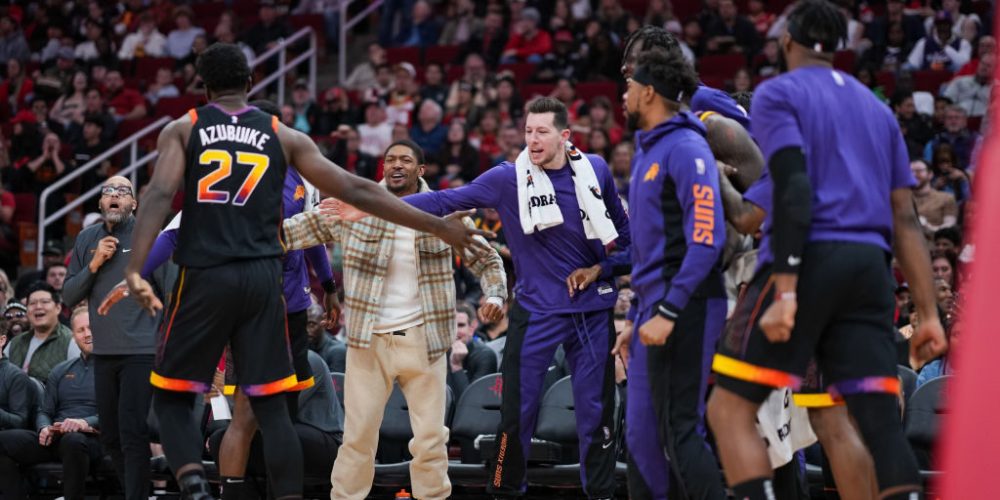
The game turned into a one-sided affair early in the second quarter as the Phoenix Suns bench effort began to pull away. Led by aggressive perimeter play and efficient interior scoring, the Suns’ reserves displayed a level of chemistry that suggested they have been preparing for this moment all season. They effectively neutralised the Thunder’s primary ball-handlers, forcing a series of turnovers that led to easy transition buckets. By the time the halftime buzzer sounded, Phoenix had built a commanding lead that effectively ended the contest as a competitive struggle.
The third quarter saw no let-up from the Suns. Despite several tactical adjustments from the Oklahoma City sideline, the Thunder were unable to find an answer for Phoenix’s outside shooting. The Suns’ ball movement was particularly impressive, as the reserves bypassed good shots for great ones, consistently finding the open man in the corner. This unselfish play is a hallmark of the system implemented by the Phoenix coaching staff, and seeing it executed so flawlessly by the second unit is an encouraging sign for their postseason prospects.
For the Thunder, the game was a sobering reminder of the growth still required to compete with the West’s elite. While several young players showed flashes of brilliance, they struggled to maintain defensive focus over the full 48 minutes. The physical disparity was also evident, as Phoenix’s veteran reserves used their size to dominate the rebounding battle and control the paint. It was a classic example of a veteran team using its strength and experience to “bully” a younger opponent into submission.
As the clock wound down, the atmosphere in the arena remained electric, with the home crowd cheering on the bench players who rarely get the spotlight. The victory was more than just a notch in the win column; it was a validation of the team’s depth and a message to the rest of the league. If the Phoenix Suns can get this level of production from their bench when the playoffs begin, they will be a difficult out for any opponent in a seven-game series.
Why This Matters for Americans
The success of the Suns’ reserves matters to the American sports public because it highlights the increasing importance of roster depth in the modern NBA. In an era where “load management” has become a controversial but necessary part of the game, seeing a team’s bench perform at such a high level reassures fans that the product remains competitive even when the marquee stars are resting. This performance is a testament to the work of the scouts and developmental coaches who identify and train the talent that sits at the end of the bench, ensuring that the league’s quality remains high from top to bottom.
Furthermore, for the business of professional basketball, this game is a win for the NBA’s national appeal. It proves that the league’s “second-tier” talent is more than capable of providing high-quality entertainment. For viewers in Ireland, Sweden, and other global markets, it showcases the sheer volume of talent within the American system. When the depth of a team is this pronounced, it creates more compelling storylines and increases the unpredictability of the postseason, which in turn drives higher engagement across all media platforms.
NCN Analysis
The Suns’ rout of the Thunder is a perfect microcosm of how a championship contender should finish the regular season. At NextClickNews, our analysis suggests that Phoenix has successfully navigated the most dangerous part of the calendar—the “meaningless” final games—without suffering any fresh injuries to their core. By empowering their bench, they have created a “secret weapon” for the playoffs. Opposing coaches will now have to spend significant time scouting players who were previously considered afterthoughts.
Looking ahead, the Thunder should not let this blowout diminish what has been an incredible season of growth. Every young team needs a “punch in the mouth” before entering the postseason to remind them of the intensity required to win in May and June. For the Suns, the challenge is now to integrate this bench energy with their superstar scoring. If they can find the right balance, Phoenix will be the most dangerous “low seed” in the Western Conference. Watch for the Suns to use a short rotation early in the playoffs, but don’t be surprised if one of the heroes from Monday night makes a game-changing appearance in a pivotal Game 4 or 5.
The Phoenix Suns have closed the book on the regular season with a dominant display of depth, signaling that they are as healthy and dangerous as they have been all year.
Reported by the NCN Editorial Team









