

KEY POINTS
- The Los Angeles Clippers and Golden State Warriors are slated for a do-or-die postseason clash as the NBA Play-In Tournament kicks off this week.
- Both franchises enter the matchup with veteran-heavy rosters, relying on championship experience to navigate a single-elimination format.
- Key player health remains the primary storyline, as late-season injuries to core contributors could fundamentally shift the tactical advantage.
The 2026 NBA postseason is beginning with a collision of titans that feels more like a Finals preview than an opening-round qualification match. The Los Angeles Clippers and the Golden State Warriors, two of the most expensive and star-studded rosters in professional basketball, are officially locked into a Western Conference Play-In showdown. For fans across the United States, this game represents the ultimate high-wire act: a single night that will determine which legendary core keeps their championship window open and which faces an offseason of difficult questions.
What You Need to Know
The NBA Play-In Tournament, introduced to incentivize late-season competitiveness, has created a unique pressure cooker for teams finishing between the seventh and tenth seeds. For the Clippers and Warriors, landing in this bracket is a reflection of a volatile regular season defined by flashes of brilliance hampered by inconsistent health. In the Western Conference, where the talent margin is razor-thin, even a minor mid-season slump can turn a title contender into a Play-In participant fighting for their playoff life.
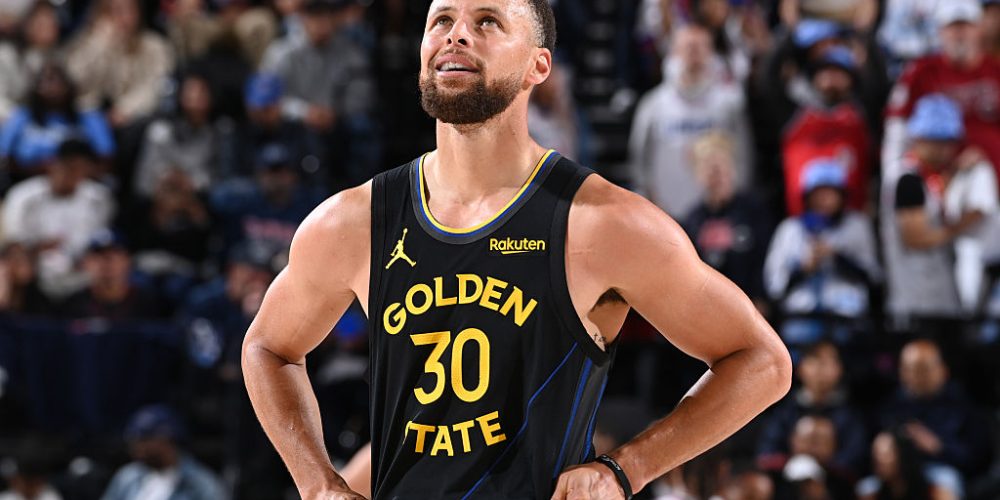
The Warriors, led by their iconic core of Stephen Curry and Draymond Green, are attempting to prove that their “dynasty” DNA is enough to overcome the younger, more athletic teams rising in the West. Their system relies on high-velocity movement and perimeter shooting that has historically thrived under the bright lights of the postseason. However, the 2026 campaign has tested their depth, forcing the coaching staff to rely more heavily on developmental players than in previous championship years.
On the other side, the Clippers continue their quest for the franchise’s first-ever NBA title. Built around the wing dominance of Kawhi Leonard and the playmaking of James Harden, the team was constructed specifically to counter the small-ball revolution popularized by Golden State. The Clippers represent a “power” alternative to the Warriors’ “finesse,” focusing on physical defensive switching and isolated scoring. This clash of styles has made their regular-season meetings must-watch television, but the stakes have never been higher than a winner-take-all scenario.
The Deciding Factors of the Western Conference Play-In
The tactical battleground for this Western Conference Play-In will likely be decided on the perimeter. The Warriors’ offense thrives on creating “gravity,” where Curry’s movement draws multiple defenders and opens up lanes for cutters. To counter this, the Clippers are expected to utilize their length, deploying a rotation of versatile defenders designed to disrupt passing lanes and contest shots without requiring constant help-side rotations. If Los Angeles can stay disciplined and avoid over-helping on Curry, they can potentially stifle the Warriors’ primary scoring engine.
Depth and bench production will also play a critical role as both teams look to survive the 48-minute gauntlet. Single-elimination games often turn on the performance of an unexpected hero—a reserve guard hitting three consecutive triples or a backup big man securing crucial offensive rebounds. The Clippers have spent much of the season refining their second unit, seeking a balance that allows their stars to rest without sacrificing lead changes. Meanwhile, the Warriors have leaned on their “next man up” philosophy, hoping their young bench can provide the energy boost needed to supplement their aging starters.
The timeline leading up to tip-off has been dominated by medical reports. Both rosters have navigated a minefield of “day-to-day” designations for their primary scorers. In a game of this magnitude, the version of the players that takes the court is just as important as the scheme itself. A slightly diminished Leonard or a Curry hampered by a lingering ankle tweak could fundamentally alter the betting lines and the on-court strategy. Analysts are closely watching the morning shootarounds for any signs of restricted movement that could tip the scales in either direction.
Furthermore, the “home-court” psychological factor cannot be overstated. Playing in front of a raucous, partisan crowd provides a significant momentum boost during the inevitable scoring droughts that occur in high-pressure games. For the Warriors, the experience of having played in more high-stakes games than perhaps any core in history provides a mental edge; they are unlikely to be rattled by a hostile environment. The Clippers, however, are hungry to prove that their new arena and modernized culture can foster a home-court advantage that rivals the storied atmospheres of Northern California.
Why This Matters for Americans
For the American public, this matchup is a cultural event as much as a sporting one. The Warriors and Clippers represent two of the largest media markets in the country, and the outcome has massive implications for the NBA’s national television ratings and advertising revenue. In an era where sports betting has become a mainstream part of the American experience, the volume of wagers placed on this single game is expected to rival those of major holiday broadcasts. It is a moment of collective focus that transcends regional loyalties, as casual viewers tune in to see if the stars they have followed for over a decade can survive one more night.
Beyond the entertainment value, the game serves as a bellwether for the future of the league’s economic structure. Both teams have operated under the “Second Apron” of the collective bargaining agreement, paying massive luxury tax bills to maintain their rosters. If both teams fail to make a deep playoff run after a Play-In exit, it may signal to other owners that the “Super-Team” model is becoming unsustainable under current salary cap restrictions. For the fans, it is a rare opportunity to witness a collision of philosophies: the homegrown dynasty versus the strategically assembled star-power collective.
NCN Analysis
The Clippers enter this matchup with a slight physical advantage, but the Warriors possess a psychological edge that is difficult to quantify. At NextClickNews, we believe the game will be decided in the final four minutes. The Warriors’ experience in “clutch” situations is unparalleled, but they have shown a tendency this season to turn the ball over when pressured by physical, long-armed defenders—exactly what the Clippers provide in abundance. If Los Angeles can turn the game into a “grind-it-out” defensive struggle, they are the favorites. If the pace speeds up, the advantage shifts toward the Bay Area.
Watch for the impact of the “X-factors.” For the Warriors, Jonathan Kuminga’s ability to score in the paint will be vital to keeping the Clippers’ defense from sagging too far onto the shooters. For the Clippers, the health and shooting efficiency of their secondary scorers will determine if Golden State can afford to double-team Leonard. This is a game of adjustments and counter-adjustments, and in a single-game format, a hot shooting hand or a timely technical foul could be the difference between moving on or going home.
The journey to the 2026 NBA title begins with a brutal elimination match that will leave one of the league’s most storied cores on the outside looking in.
Reported by the NCN Editorial Team









