

KEY POINTS
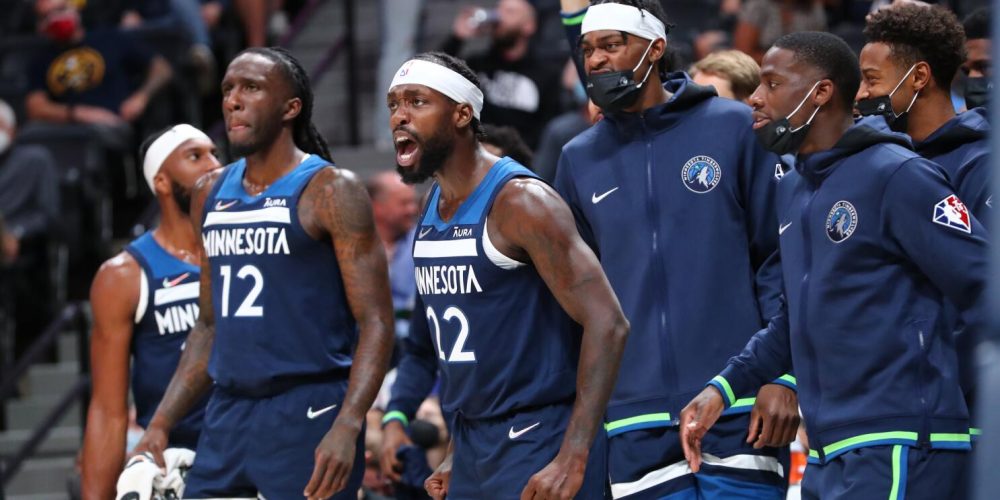
- The Minnesota Timberwolves secured a convincing victory over the New Orleans Pelicans to close out the regular season, fueled by a high-energy performance from their reserve unit.
- Key rotational players stepped into the spotlight, allowing Minnesota’s primary stars to rest and maintain health ahead of the looming Western Conference playoffs.
- New Orleans struggled to find an offensive rhythm against Minnesota’s depth, raising questions about their consistency entering the high-stakes play-in tournament.
The Minnesota Timberwolves capped off their regular season campaign with a definitive statement, proving that their roster depth is a force to be reckoned with. With several starters seeing reduced minutes to preserve energy, the bench corps dismantled the New Orleans Pelicans in a performance that showcased the team’s defensive versatility and offensive cohesion. For fans in the Twin Cities and across the Midwest, the victory serves as a shot of adrenaline before the grind of the NBA playoffs begins in earnest.
What You Need to Know
Entering the final stretch of the 82-game marathon, the NBA landscape is often defined by “load management”—the strategic resting of elite talent to avoid late-season soft tissue injuries. Minnesota has been a fascinating case study this year, evolving from a defense-first unit centered around Rudy Gobert to a more balanced offensive juggernaut led by Anthony Edwards. However, the true story of their recent success has been the emergence of their secondary unit, which has consistently outscored opposing benches over the last month of play.
The New Orleans Pelicans, conversely, have spent much of the spring fighting for seeding in a historically crowded Western Conference. Led by the physical dominance of Zion Williamson and the perimeter scoring of Brandon Ingram, New Orleans has the ceiling of a contender but has often been plagued by bouts of inconsistency. This final regular-season matchup was critical for the Pelicans’ momentum, yet they found themselves stifled by a Minnesota group that played with the desperation of athletes fighting for permanent playoff rotation spots.
In professional basketball, the final game of the season often lacks stakes for teams that have already clinched their positions. Yet, for Minnesota, this was about establishing a culture of “next man up.” Head Coach Chris Finch has emphasized all season that his team cannot rely solely on its “Big Three” if they hope to survive a seven-game series against the likes of Denver or Phoenix. The performance against New Orleans validated that philosophy, proving that the Timberwolves’ identity is rooted in the entire roster’s collective effort rather than individual brilliance.
Bench Depth Powers Minnesota’s Final Victory
The narrative of the game was set early as the Minnesota Timberwolves bench took control of the second quarter. While the starters provided a solid foundation, it was the second unit that injected a pace that the Pelicans simply could not match. The reserves combined for a significant portion of the team’s total output, moving the ball with a level of unselfishness that left the New Orleans defense a step behind. Transition buckets and high-percentage looks at the rim became the norm as Minnesota built a lead that would never truly be threatened.
Defensively, the Timberwolves showcased why they have been ranked near the top of the league all year. Even without their primary defensive anchors playing heavy minutes, the reserve unit executed a sophisticated switching scheme that neutralized the Pelicans’ primary ball-handlers. This defensive pressure led to several turnovers, which Minnesota quickly converted into easy points. The intensity in the arena was palpable, as every block and steal from a bench player was met with a standing ovation from a crowd eager to see their team carry this momentum into the postseason.
For New Orleans, the game was a frustrating exercise in missed opportunities. Despite several runs that threatened to close the gap, they were unable to sustain a high level of execution on both ends of the floor. The Pelicans’ stars struggled to find their usual efficiency against the physical play of Minnesota’s backup forwards. As the clock wound down, the disparity in bench production became the glaring takeaway, with the Timberwolves’ reserves outworking their New Orleans counterparts in nearly every hustle category, from offensive rebounds to loose-ball recoveries.
The closing minutes of the game allowed the Timberwolves’ coaching staff to experiment with various lineup combinations that could prove useful in specific playoff scenarios. Seeing how different bench players interacted with one or two starters provided valuable data for the upcoming weeks. By the time the final buzzer sounded, Minnesota had not only secured a win but had also boosted the confidence of every player on the roster. This holistic approach to the season finale ensures that the team enters the playoffs with a fully engaged and battle-tested rotation.
Why This Matters for Americans
The performance of the Timberwolves resonates with the broader American sporting ethos of grit and opportunity. In a league often criticized for being top-heavy with superstars, Minnesota is proving that a well-built, deep roster can be just as compelling to watch as a team of “Superfriends.” For the average American viewer, there is something inherently relatable about the “blue-collar” bench players seizing their moment under the bright lights. It reinforces the idea that success in a professional environment often depends on the quality of the supporting cast as much as the leaders at the top.
From a business perspective, the Timberwolves’ rise has been a boon for the regional economy and the NBA’s domestic ratings. Minnesota is a classic “mid-market” team, and their ability to compete with high-spending coastal franchises is vital for the league’s competitive balance. When teams like Minnesota succeed through drafting and development rather than just free-agency splashes, it encourages other franchises to invest in long-term scouting and player development. This health in the league’s competitive structure ultimately benefits the fans, providing more meaningful games and diverse storylines throughout the year.
NCN Analysis
The victory over New Orleans is a perfect microcosm of Minnesota’s season. While much of the national media attention remains on the league’s biggest markets, the Timberwolves have quietly built the most balanced roster in the Western Conference. At NextClickNews, we believe this bench depth will be the deciding factor in the second round of the playoffs. When the game slows down and stars are being double-teamed, having a reserve like Naz Reid or Nickeil Alexander-Walker who can provide a spark is the difference between an early exit and a deep run.
Looking ahead, New Orleans has a much tougher road. Their reliance on a short rotation means they are more vulnerable to fatigue and foul trouble in the play-in tournament. Minnesota, meanwhile, has earned the luxury of a few days of rest with their chemistry at an all-time high. The Western Conference is a gauntlet, but the Timberwolves have proven they have the personnel to survive it. Watch for Minnesota to use their defensive length to frustrate opponents early in the first round, as they have now shown they can maintain that pressure for a full 48 minutes regardless of who is on the floor.
As the regular season curtain falls, the Minnesota Timberwolves have transformed from a promising young squad into a deep, disciplined contender ready for the playoff grind.
Reported by the NCN Editorial Team









