

KEY POINTS
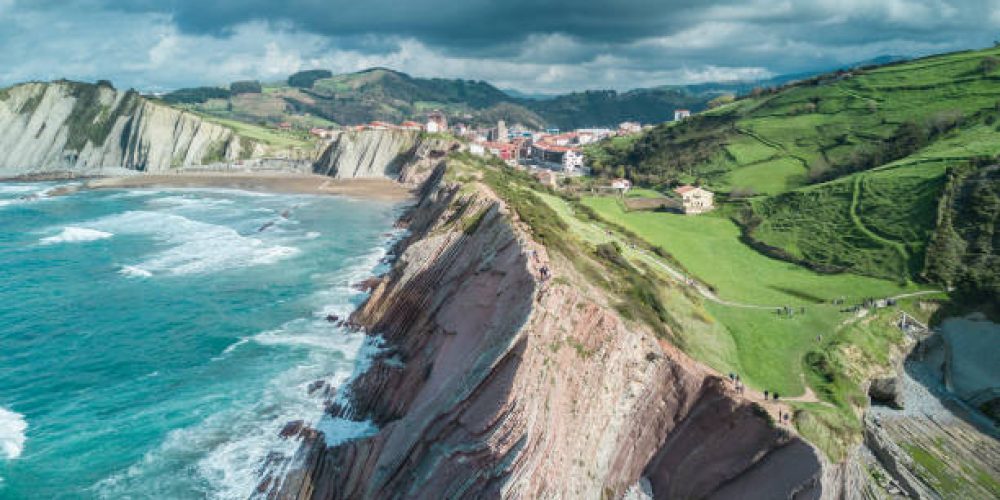
- Cantabria offers a rugged, emerald alternative to the overcrowded Mediterranean beaches of southern Spain, featuring dramatic cliffs and ancient caves.
- The region’s cultural identity is deeply tied to its prehistoric art and intellectual history, famously captivating philosophers like Jean-Paul Sartre.
- New luxury eco-tourism developments are making this traditionally secluded “Green Spain” more accessible to international travelers seeking authenticity.
Spain is often synonymous with the sun-drenched, overcrowded coastlines of the Costa del Sol, but a growing number of savvy travelers are turning their gaze toward the misty, jagged cliffs of the northern Atlantic. Cantabria, a region defined by its prehistoric caverns and fierce maritime heritage, is emerging as the premier destination for those who prefer untamed nature over manicured resorts. For the American adventurer, this is a landscape that feels like a cross between the Pacific Northwest and the rugged coast of Ireland, yet steeped in a history that dates back to the dawn of human creativity.
What You Need to Know
Cantabria occupies a unique ecological and cultural niche within the Iberian Peninsula. Located in the heart of “Green Spain,” it is a land of paradoxes: home to the snow-capped Picos de Europa mountains and some of the most profound archaeological sites on Earth. While the rest of Spain spent centuries under Moorish influence, the north remained a bastion of distinct Visigothic and Celtic echoes, resulting in architecture and traditions that feel markedly different from the whitewashed villages of Andalusia.
The region is perhaps most famous in the intellectual world for its influence on the French philosopher Jean-Paul Sartre. Visiting in the early 20th century, Sartre found in Cantabria a reflection of his existentialist leanings—a place where the sheer scale of the limestone mountains and the crashing Bay of Biscay forced a confrontation with the self. It wasn’t just the philosophy that drew the elite; the coastal capital of Santander has long served as the summer retreat for the Spanish monarchy, lending a touch of Belle Époque elegance to the otherwise wild terrain.
Central to the Cantabrian experience is the concept of “slow travel.” The region’s infrastructure is designed for meandering drives through the Pas Valley or quiet walks along the Camino del Norte—the northern route of the famous St. James Way. Unlike the more commercialized Camino Francés, the northern path offers solitary vistas and a chance to experience a Spain that remains largely untouched by the mass-market tourism that has plagued regions like Catalonia or the Balearic Islands.
Uncovering Art and History on Spain’s North Coast
The primary draw for many visitors today is the intersection of Spain’s north coast scenery and its unparalleled artistic legacy. The Altamira Cave, often dubbed the “Sistine Chapel of Prehistoric Art,” is the crown jewel of the region. While the original cave is restricted to protect the 36,000-year-old charcoal and ochre drawings of bison and deer, the museum’s “Neocave” offers a breathtakingly accurate replica. Standing before these ancient renderings, one realizes that Cantabria was the birthplace of human symbolic expression, a fact that continues to draw scholars and art lovers from every corner of the globe.
Beyond the prehistoric, the region boasts a surprising array of modern architectural wonders. The Centro Botín in Santander, designed by Pritzker Prize-winner Renzo Piano, appears to float over the water on stilts. This cultural center has transformed the city’s waterfront, bridging the gap between the town’s royal history and its future as a global art hub. Meanwhile, further down the coast in Comillas, travelers can find “El Capricho,” one of the few buildings designed by Antoni Gaudí outside of Barcelona. It stands as a vibrant, sunflower-tiled testament to the whimsical architectural spirit that defines Spanish modernism.
The culinary landscape of Cantabria is equally compelling, dictated by the bounty of the Cantabrian Sea and the lush mountain pastures. The region is world-renowned for its anchovies from Santoña, preserved using traditional methods that result in a product far superior to the tinned varieties found in American grocery stores. In the mountains, the cocido montañés—a hearty stew of white beans, collard greens, and pork—provides the necessary fuel for hikers exploring the limestone massifs. This commitment to local, seasonal ingredients isn’t a trend here; it is a way of life that has persisted for generations.
The timeline of Cantabria’s development is currently at a critical juncture. For decades, the region was accessible mainly by ferry from the UK or long drives from Madrid. However, recent expansions of regional airports and a surge in boutique hotel openings have signaled a shift. Local authorities are walking a tightrope, attempting to encourage tourism revenue while strictly enforcing environmental protections to ensure that the “Green Spain” label remains accurate. For the traveler arriving now, there is a sense of being “early”—of catching a glimpse of a world-class destination before it loses its quiet, contemplative character.
Why This Matters for Americans
For American travelers, the rise of Cantabria represents a significant evolution in how we consume European culture. As the “over-tourism” crisis in cities like Venice and Barcelona makes those destinations increasingly difficult to navigate, the search for “Second-City Tourism” has led many to Spain’s northern rim. Cantabria offers a sophisticated, safe, and visually stunning alternative that aligns with the current American desire for wellness-oriented and nature-focused vacations. It is a destination that rewards curiosity rather than one that merely provides a backdrop for a selfie.
Furthermore, from a business and investment perspective, the “Green Spain” movement is attracting interest from global sustainable travel brands. As climate change makes southern European summers increasingly brutal, the cooler, Atlantic-moderated temperatures of the north are becoming a strategic advantage. For the global English-speaking audience, Cantabria is no longer just a footnote in a guidebook; it is becoming a blueprint for how a region can modernize its economy through high-value, low-impact tourism that honors its unique artistic and intellectual history.
NCN Analysis
The allure of Cantabria lies in its resistance to the “Disneyfication” of European history. While other regions have polished their ancient sites until they feel like movie sets, Cantabria remains delightfully rough around the edges. The influence of figures like Sartre isn’t just a historical trivia point; it speaks to the region’s ability to inspire deep thought. In an age of digital distraction, a landscape that demands your full attention—whether through a treacherous mountain pass or the intricate lines of a 10,000-year-old drawing—is a rare and valuable commodity.
We predict that over the next five years, Santander will emerge as a serious rival to San Sebastián for the title of northern Spain’s cultural capital. While San Sebastián has the culinary accolades, Santander and the surrounding Cantabrian countryside offer a more diverse range of experiences, from surfing at Somo to caving in the Picos de Europa. Travelers should watch for new high-speed rail connections from Madrid, which will likely decrease travel time and increase weekend traffic. Our advice: visit now, while the silence of the Pas Valley is still your only companion.
Spain’s northern shore is a masterclass in the sublime, where every cliffside path and ancient cave tells a story of survival and artistic triumph.
Reported by the NCN Editorial Team









