

KEY POINTS
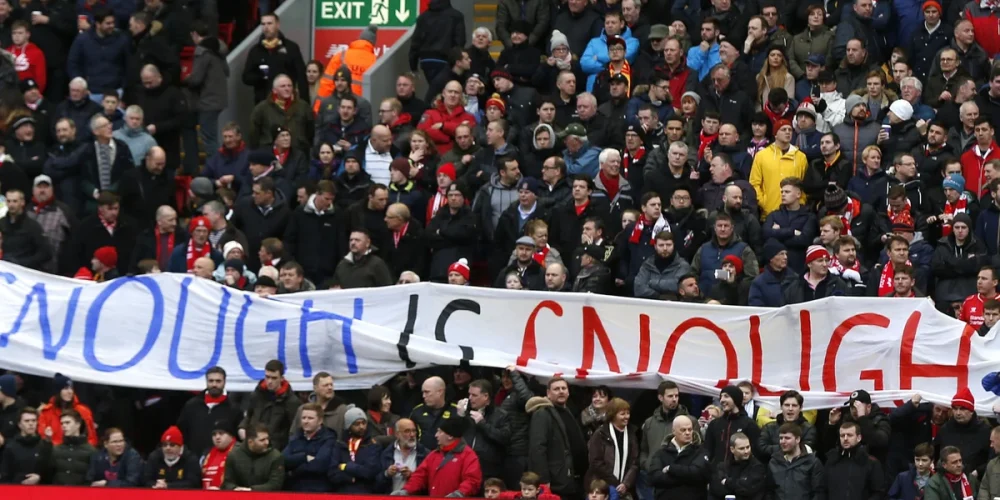
- Liverpool fans are planning a stadium protest against a 2% rise in season ticket prices during the upcoming match against Aston Villa.
- Manager Arne Slot has publicly defended the club’s leadership, emphasizing the strong internal bond between the coaching staff and the board.
- The dispute highlights a growing tension between the financial demands of elite Premier League football and the loyalty of local match-going supporters.
Liverpool manager Arne Slot has thrown his support behind the club’s hierarchy as fans prepare to stage a visual protest at Anfield over rising ticket costs. The dispute comes at a critical juncture for the team, which is currently navigating a high-stakes transition following the departure of long-time leader Jürgen Klopp. While supporters express frustration over a 2% price hike, Slot maintains that the synergy between the sporting department and the club’s ownership remains unwavering.
What You Need to Know
The friction at Anfield stems from a decision by Fenway Sports Group (FSG), the American owners of Liverpool FC, to implement a modest but controversial increase in ticket prices for the 2024/25 season. For many supporters, the 2% rise represents more than just a few extra pounds; it is seen as a symbolic erosion of the “people’s club” identity. Fan groups, most notably Spion Kop 1906, have announced that they will refrain from flying their traditional flags and banners during the team’s next home outing to signal their disapproval.
This is not the first time Liverpool’s American ownership has faced backlash over pricing. In 2016, a massive walkout led to a reversal of a proposed price hike, proving that the Anfield faithful wield significant influence when organized. However, the current climate is different. The club is attempting to balance the books after significant investments in stadium expansion—specifically the new Anfield Road Stand—and the need to remain competitive in a league where state-backed clubs are setting a dizzying financial pace.
The timing of the protest is particularly sensitive. Arne Slot is still in the “honeymoon” phase of his tenure, and the team is performing well on the pitch. There is a fear among some sections of the fanbase that domestic unrest could distract the players or dampen the famous Anfield atmosphere that often acts as a “twelfth man” during tight matches. Slot, however, has been quick to downplay any suggestions of a rift between the various wings of the club.
Liverpool Fan Protest and the Anfield Atmosphere
As the Reds prepare to face Aston Villa, the visual landscape of the Kop will be uncharacteristically bare. The decision to remove flags is a calculated move designed to embarrass the ownership on a global stage without withdrawing vocal support for the players. For Arne Slot, the challenge is maintaining focus. During his pre-match press conferences, the Dutchman has been careful to acknowledge the fans’ right to express their opinions while simultaneously reinforcing his confidence in how the club is being run behind the scenes.
Slot’s rhetoric suggests a man who is fully integrated into the corporate and sporting structure of the club. He has pointed to the ongoing communication he enjoys with the board as evidence of a healthy organization. From the manager’s perspective, the financial health of the club—bolstered by ticket revenue and commercial deals—is what allows him to compete for the world’s best talent. Nevertheless, he remains cognizant that the soul of the club resides in its supporters, many of whom feel priced out of the modern game.
The protest also serves as a litmus test for the “New Liverpool” under Slot’s guidance. Unlike Klopp, who often acted as a lightning rod for social and political issues within the city, Slot has taken a more pragmatic, football-first approach. By siding with the club’s management, he risks alienating a portion of the fanbase, but he also establishes a clear line of authority and unity that he believes is necessary for long-term success.
The standoff is a microcosm of a larger struggle within the Premier League. As clubs chase multi-billion dollar TV deals and global sponsorships, the local fan often feels like a secondary consideration. At Liverpool, where the history of the club is so deeply intertwined with the working-class culture of the city, these financial decisions carry heavy emotional weight. The outcome of this weekend’s silent protest of flags will likely dictate how the board approaches future negotiations with supporters’ unions.
Why This Matters
For American readers and investors, the situation at Liverpool is a fascinating study in the cultural differences between U.S. sports franchises and European football. In the United States, price increases for NFL or MLB tickets are often viewed as a standard byproduct of inflation and stadium upgrades. Fans may complain, but organized protests that impact the “product” on the field are rare. In the UK, however, football clubs are viewed as community assets, and owners are often seen as temporary custodians rather than absolute rulers.
Furthermore, the involvement of Fenway Sports Group—who also own the Boston Red Sox and the Pittsburgh Penguins—links this story directly to the American business landscape. US-based sports investors are increasingly looking toward European soccer for growth, but as the Liverpool situation shows, they must navigate a complex web of tradition and fan activism. This friction can impact the valuation of sports brands and the stability of international investments, making it a key point of interest for those tracking global sports business trends.
NCN Analysis
The current impasse at Liverpool is unlikely to result in a full-blown crisis, but it does highlight a communication gap that FSG needs to bridge. While a 2% increase is statistically low compared to other Premier League rivals, the lack of consultation with fan groups is where the real damage was done. Arne Slot’s decision to back the board is a logical move for a new manager who needs the support of his employers to succeed in the transfer market, but he must be careful not to be seen as a “company man” who is indifferent to the plight of the fans.
Looking forward, we expect Liverpool’s management to eventually offer a concession, perhaps in the form of a freeze on prices for the following season or increased funding for local community initiatives. The power of the Anfield crowd is too valuable to risk for a relatively small increase in gate receipts. If the atmosphere at the stadium turns toxic or even merely subdued, the pressure on Slot and the board will mount rapidly. Readers should watch for whether other Premier League fanbases follow suit, as this could be the start of a league-wide movement against the rising cost of football.
The bond between a club and its supporters is the most valuable asset in sports; Liverpool’s leadership would be wise not to test its breaking point.
Reported by the NCN Editorial Team.









