

KEY POINTS
- The UK experienced one of its hottest April days in over 80 years, with temperatures soaring above seasonal norms.
- Meteorologists link the unusual warmth to broader climate change trends and shifting weather patterns.
- The heatwave prompted health warnings and raised concerns about infrastructure readiness for extreme conditions.
The United Kingdom just experienced a historic climatic anomaly, recording one of its warmest April afternoons in more than 80 years as a plume of North African air swept across the British Isles. Residents from London to Edinburgh saw the mercury climb to a staggering 28°C (82.4°F), a figure usually reserved for the height of July rather than the early days of spring. This unseasonal surge has caught meteorologists and infrastructure planners off guard, marking a definitive shift in the region’s typical spring weather patterns.
What You Need to Know
For the British public, April is traditionally defined by unpredictable “showers” and temperatures that struggle to break past 15°C (59°F). The historical data for this time of year suggests a mild transition from winter, yet the current figures represent a departure from the norm that is statistically significant. To find a comparable day in April where temperatures reached these heights, one has to look back to the mid-1940s, a period long before the current trends of accelerated global warming became a standard fixture of meteorological reporting.
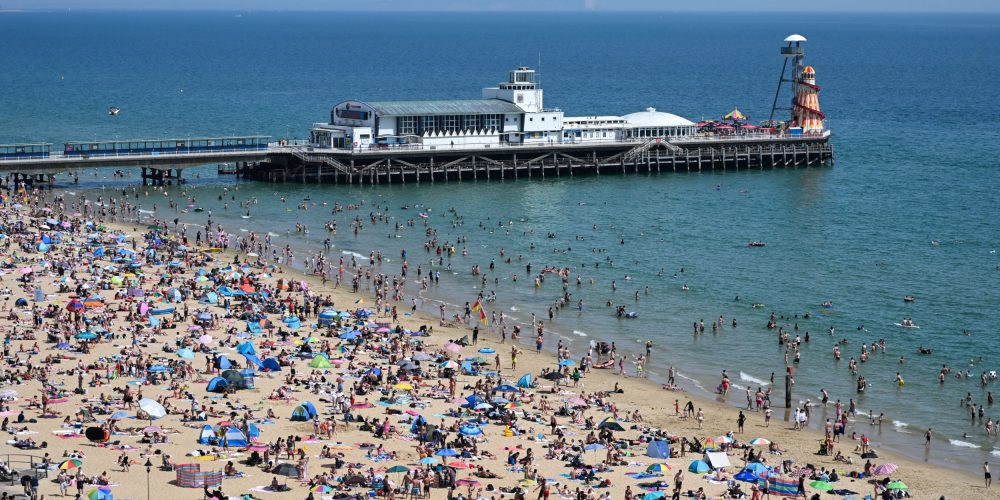
The cause of this sudden spike is a meteorological phenomenon known as a “heat dome,” where high-pressure systems trap warm air over a specific geographic area. In this instance, a powerful ridge of high pressure drew hot, dry air directly from the Sahara Desert, transporting it over the Bay of Biscay and into the southern and central regions of England. While the sun-drenched parks of London and the crowded beaches of Brighton presented a festive atmosphere, the underlying cause has sparked intense debate among climate scientists regarding the frequency of extreme weather events in Northern Europe.
Historically, the UK’s temperature records are meticulously kept, providing a clear window into how the climate has shifted over the last century. While an isolated hot day is not necessarily an indicator of a permanent change, the fact that this heatwave follows a series of record-breaking wet months suggests a heightened volatility in the North Atlantic jet stream. This volatility is increasingly becoming the “new normal” for the British Isles, as the buffer between seasonal transitions begins to evaporate.
Record-Breaking Temperatures Across the British Isles
The peak of the heat was felt most intensely in the southeast, particularly in parts of Kent and Greater London, where official weather stations confirmed the 28°C threshold. This puts 2026 in the record books alongside the legendary April of 1949, which previously held the mantle for the most intense early-spring heat. The Met Office reported that the sheer speed of the temperature rise was unprecedented, with some areas jumping more than 10 degrees in a single six-hour window. As the heat moved north, even traditionally cooler regions in Yorkshire and the Scottish Borders saw temperatures consistently in the low 20s.
Public transport networks, which are notoriously sensitive to temperature swings in the UK, faced immediate challenges. The sudden heat caused concerns over rail expansion on lines not yet optimized for summer conditions, leading to localized speed restrictions. Meanwhile, the National Health Service (NHS) issued “yellow” heat-health alerts, a rarity for this time of year, primarily targeting the elderly and those with respiratory conditions. The unseasonal heat coincides with a high pollen count, creating a difficult environment for millions of hay fever sufferers who were unprepared for the early onset of summer allergens.
While the human impact was visible in crowded beer gardens and coastal resorts, the ecological impact is also being monitored. Farmers across East Anglia expressed concern that the sudden heat, following a period of heavy rain, could cause “heat stress” in emerging crops. Fruit trees that had only just begun to blossom were suddenly exposed to mid-summer conditions, potentially shortening the pollination window and affecting the late-summer harvest. This thermal whiplash is particularly damaging to the UK’s biodiversity, as many local species rely on a gradual warming process to sync their life cycles.
Despite the record-breaking figures, the heatwave was relatively short-lived. Meteorologists noted that a cold front began pushing in from the Atlantic late Wednesday evening, threatening to drop temperatures back to the seasonal average within 48 hours. This dramatic swing—from record-breaking heat to near-freezing nights in the span of a few days—is a hallmark of the erratic weather patterns that have dominated the 2020s.
Why This Matters
For Americans, the record-breaking UK heatwave serves as a critical data point in a global trend of “seasonal blurring.” While 82°F might seem like a pleasant spring day in Florida or California, in the context of Northern European architecture and infrastructure—which is designed primarily to retain heat rather than dissipate it—such temperatures are disruptive. This serves as a warning for the U.S. Northeast and Midwest, where similar unseasonal spikes are becoming more frequent, straining power grids that are not yet ready for air conditioning season.
This event also highlights the interconnectedness of global travel and the economy. As Europe experiences these erratic weather shifts, American tourists and businesses operating abroad must adapt to a landscape where traditional “shoulder seasons” no longer exist. The financial impact of these shifts is felt in everything from surging energy prices to the increased cost of food as European agricultural yields become less predictable. For the global English-speaking audience, these records are not just trivia; they are indicators of a shifting economic reality where climate resilience is the most valuable asset a nation can possess.
NCN Analysis
The speed at which these 80-year records are being challenged suggests that our current climate models may be underestimating the intensity of short-term thermal events. At NextClickNews, we see this not as an isolated incident, but as a precursor to a summer that could test the limits of European infrastructure. The fact that the UK can reach 28°C in April indicates that the “ceiling” for July and August has been raised significantly. We may be looking at a future where 40°C (104°F) is no longer a once-in-a-generation anomaly for London, but a semi-regular occurrence.
Readers should watch for how the UK government and European Union respond to these early-season spikes in the coming months. There is likely to be a push for accelerated urban cooling initiatives and more robust “heat-proofing” of public transit. Additionally, look for shifts in the insurance industry, as the risk profiles for outdoor events and agricultural investments are rewritten to account for a spring season that can suddenly, and dangerously, mimic mid-summer.
Reported by the NCN Editorial Team









