

KEY POINTS
- Younger conservative activists express more skepticism regarding traditional US foreign aid to Israel.
- Older attendees continue to show unwavering support for a strong military alliance with Israel.
- The internal party debate centers on the America First doctrine versus long-standing security ties.
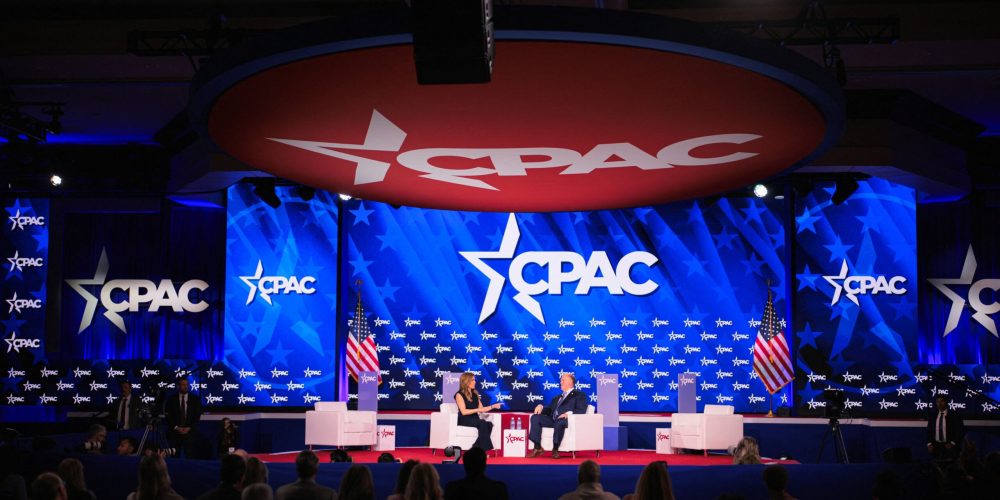
The annual Conservative Political Action Conference currently showcases a growing shift within the Republican base. Attendees at the gathering in Maryland are debating the future of the United States’ relationship with Israel. While support remains high overall, a clear divide is emerging between different age groups.
Older participants at the event generally maintain a traditional perspective on foreign policy. They view Israel as the most critical democratic ally for the United States in the Middle East. For this demographic, providing military and financial assistance remains a non-negotiable priority for national security.
However, younger conservative activists are beginning to voice different opinions on the matter. Many of these individuals align themselves more closely with a strict America First ideology. They question the necessity of sending billions of dollars in foreign aid to any overseas nation.
This younger cohort often prioritizes domestic issues like border security and the national debt over foreign conflicts. They argue that American resources should focus primarily on problems within the United States. This perspective marks a departure from the neoconservative policies that dominated the party for decades.
Speakers on the main stage have attempted to navigate these conflicting viewpoints throughout the weekend. Some leaders emphasize the moral and religious obligations to support the Jewish state. Others focus on the strategic benefits of maintaining a strong military presence in the region.
The debate highlights a broader struggle within the GOP to define its modern identity. Traditionalists fear that a pivot toward isolationism could weaken global stability and American influence. Meanwhile, populists believe that the party must move away from expensive international commitments.
Surveys conducted during the conference reflect these varying attitudes among the grassroots members. Younger voters show a higher interest in reducing all forms of foreign intervention. They are less likely to view the defense of other nations as a primary American responsibility.
Despite these internal disagreements, most Republican politicians still publicly endorse a strong pro-Israel platform. They recognize that the donor class and the evangelical base remain deeply committed to the alliance. However, they must now account for a more skeptical wing of the party.
The atmosphere at CPAC suggests that foreign policy will remain a contentious topic in future elections. Candidates will need to balance the demands of traditional hawks with the rising influence of isolationists. This generational tension could reshape the party’s legislative priorities in the coming years.
National security experts are watching these developments closely to predict future shifts in American diplomacy. A change in Republican consensus would have major implications for international treaties and military aid packages. For now, the conference serves as a proving ground for these competing visions of America’s role.









