

KEY POINTS
- The Federal Reserve maintained its current interest rate levels during the latest policy meeting on Wednesday.
- Central bank officials suggested that additional rate increases remain a remote possibility if inflation stays high.
- Economic data continues to show a resilient labor market despite elevated borrowing costs for consumers.
The Federal Reserve concluded its two-day policy meeting on Wednesday by keeping interest rates unchanged. This decision aligns with the expectations of most financial analysts and global investors. However, the central bank issued a statement that keeps future policy options flexible for the coming months.
Policy leaders noted that inflation has cooled significantly from its peak levels two years ago. Despite this progress, the price of many goods and services remains higher than the official target. The Federal Reserve aims to bring annual inflation back down to its long-term goal of 2 percent.
The current federal funds rate sits at its highest level in over two decades. Officials believe these restrictive settings are necessary to balance the national economy. They want to ensure that demand does not outpace the supply of products and labor.
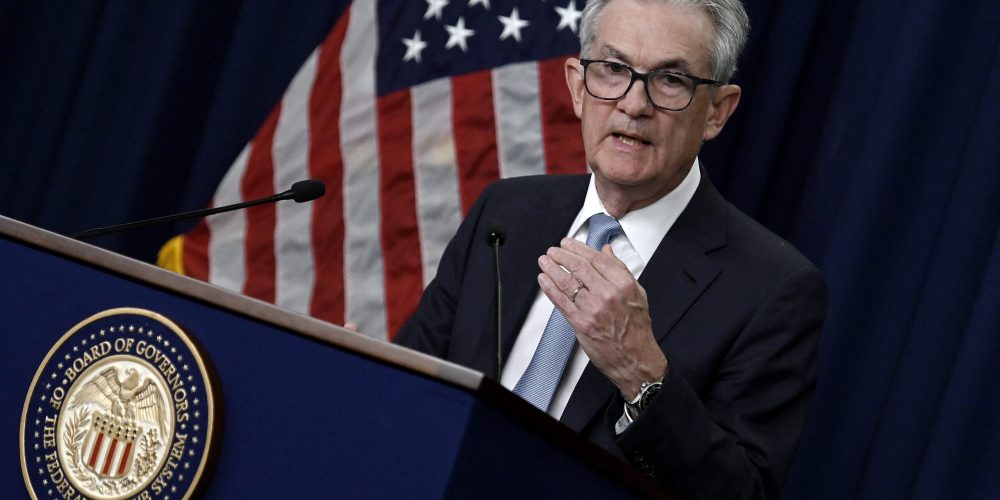
Federal Reserve Chair Jerome Powell addressed the media following the release of the official policy statement. He emphasized that the committee is prepared to do more if the economic situation warrants it. Powell described a potential rate hike as an unlikely but available tool for the central bank.
Market participants are looking for clues regarding when the Fed might actually start cutting interest rates. Current projections suggest that borrowing costs will likely remain elevated throughout the first half of the year. The central bank wants more evidence that price stability is returning permanently.
The labor market continues to show surprising strength according to the most recent employment reports. Low unemployment rates have provided consumers with the confidence to keep spending on various services. This steady demand is one reason why inflation has not dropped as quickly as some predicted.
Economists are closely watching the housing market and consumer debt levels for signs of strain. High mortgage rates have slowed home sales significantly across many parts of the United States. Many households are now paying more to maintain credit card balances and auto loans.
The Federal Reserve will continue to monitor a wide range of incoming data before its next meeting. This includes reports on consumer spending, manufacturing output, and global trade conditions. Any unexpected surge in prices could force the committee to reconsider its current pause.
Most officials expect the economy to continue growing at a moderate pace for the remainder of 2026. They hope to achieve a soft landing where inflation falls without causing a major recession. Achieving this balance requires careful timing and precise adjustments to monetary policy.
International developments also play a role in the decision-making process for the American central bank. Fluctuations in energy prices and global supply chains can impact domestic inflation very quickly. The Fed remains vigilant against these external risks as they manage the domestic economy.









