

KEY POINTS
- A veteran heart specialist identifies late-night eating as a primary risk factor for cardiovascular strain and metabolic disruption.
- Maintaining a consistent sleep schedule and limiting blue light exposure after 7 p.m. are critical for heart rate regulation.
- The physician recommends specific behavioral shifts in the evening to reduce long-term risks of hypertension and arterial damage.
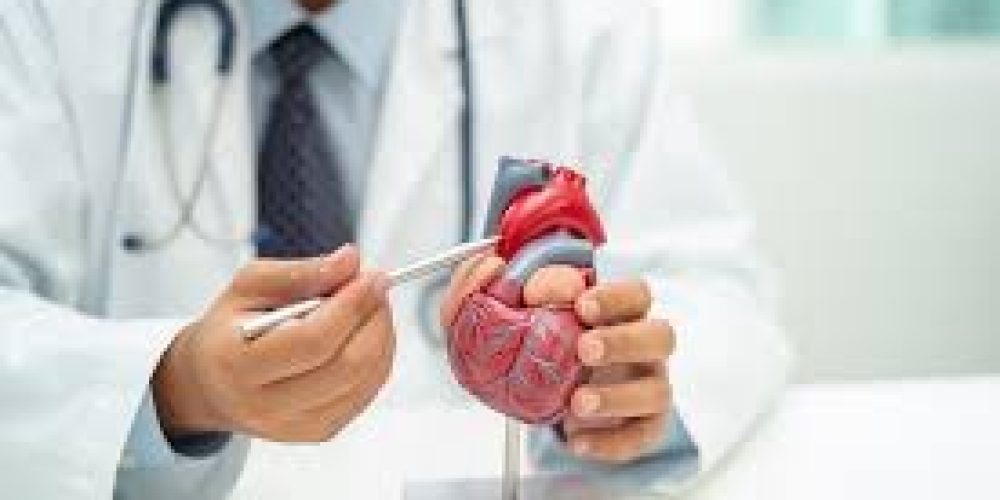
A cardiologist with over two decades of experience treating emergency heart complications has outlined several critical activities to avoid after 7 p.m. to maintain optimal cardiovascular health. These recommendations stem from observing common patterns among patients who suffer from heart attacks and chronic heart disease. The specialist emphasizes that the hours leading up to sleep are a vital window for the body to transition into a restorative state, and certain modern habits can inadvertently trigger physiological stress.
One of the most significant warnings involves the consumption of heavy meals late in the evening. Eating large portions of food, particularly those high in sodium or saturated fats, shortly before bedtime can lead to increased blood pressure and elevated heart rate during the night. The digestive process requires significant energy and blood flow, which prevents the heart from entering its natural “dipping” phase where blood pressure typically drops to allow the cardiovascular system to rest. Consistently skipping this nocturnal rest phase is a known contributor to long-term arterial hardening.
Alcohol consumption during the late evening is another habit the physician strongly advises against. While many people believe a drink helps them relax, alcohol actually fragments sleep architecture and causes spikes in heart rate during the second half of the night. This disruption interferes with the body’s ability to regulate stress hormones like cortisol. Over time, these nightly interruptions can lead to an increased risk of atrial fibrillation and other rhythm disturbances that are often precursors to more serious cardiac events.
The cardiologist also highlights the dangers of high-intensity exercise or emotionally charged activities late at night. Engaging in strenuous workouts or participating in stressful work-related discussions after 7 p.m. keeps the sympathetic nervous system in a state of high alert. This “fight or flight” response makes it difficult for the heart to transition into the parasympathetic state necessary for deep sleep. The doctor suggests that evening hours should be reserved for low-impact movements and calming activities that signal to the brain that the day is concluding.
Exposure to blue light from smartphones and computers after sunset is a modern challenge that the heart specialist addresses. Artificial light suppresses the production of melatonin, a hormone that not only regulates sleep but also possesses antioxidant properties that benefit the heart. By avoiding screens in the late evening, individuals can improve their sleep quality, which is directly linked to better weight management and lower systemic inflammation. Poor sleep is often an overlooked factor in the development of metabolic syndrome, a cluster of conditions that significantly raise heart attack risk.
Caffeine intake in the late afternoon and evening is another common pitfall. Because caffeine has a long half-life, a cup of coffee or an energy drink consumed at 4 p.m. or 5 p.m. can still be circulating in the system well past 10 p.m. This stimulant effect can cause palpitations and prevent the deep, slow-wave sleep that is essential for vascular repair. The specialist recommends switching to herbal teas or water after lunch to ensure the nervous system is quieted by the time the evening arrives.
Finally, the physician stresses the importance of a cool and dark sleeping environment. A bedroom that is too warm can cause the heart to work harder to regulate body temperature, leading to a higher resting heart rate throughout the night. By making these small but intentional changes to the evening routine, individuals can significantly lower their cumulative risk for heart disease. These preventative measures are often more effective than medication alone when it comes to long-term cardiac resilience.









