

KEY POINTS
- Foreign Minister Abbas Araghchi stated that Iran’s opposition to nuclear weapons remains unlikely to change.
- The announcement follows the death of former Supreme Leader Ali Khamenei during the ongoing regional conflict.
- Iranian officials clarified that future policy will ultimately depend on the views of new leader Mojtaba Khamenei.
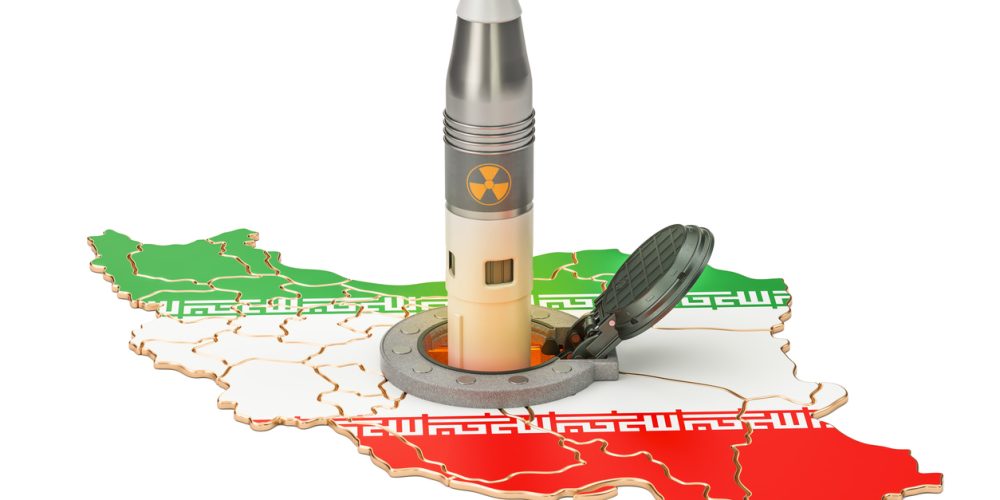
Iranian Foreign Minister Abbas Araghchi indicated on Wednesday that the nation’s nuclear doctrine will likely remain the same. His comments aimed to reassure international observers about Tehran’s strategic intentions during a period of intense regional war. Araghchi emphasized that the long-standing stance against developing nuclear weapons is currently not expected to shift.
The diplomatic update comes at a pivotal moment for the Islamic Republic’s leadership. Former Supreme Leader Ayatollah Ali Khamenei was recently killed during the escalating conflict involving the United States and Israel. This significant loss had raised global questions about whether his religious edict against nuclear arms would survive.
Khamenei issued a fatwa in the early 2000s that officially prohibited the creation of weapons of mass destruction. Western nations and Israel have historically remained skeptical of this decree, often accusing Tehran of covert military ambitions. Iranian authorities have consistently maintained that their nuclear program exists only for peaceful civilian purposes.
Araghchi noted that while the current policy holds, religious rulings are tied to the specific jurist who issues them. He explained that he cannot yet judge the political or jurisprudential views of the new leader, Mojtaba Khamenei. The new Supreme Leader has not yet made a public statement regarding his specific nuclear policy.
The Foreign Minister spoke to Al Jazeera about the resilience of the Iranian political structure during this crisis. He asserted that the system remains intact despite the targeting of senior officials by opposition forces. Araghchi claimed that the presence of established institutions ensures governance continues without disruption.
In addition to nuclear topics, the minister addressed the high stakes of the ongoing maritime tensions. He suggested that a new international protocol may be necessary for the Strait of Hormuz once hostilities end. Such a move would aim to regulate safe passage through the critical oil transit waterway.
Araghchi also warned that the global repercussions of the current war would eventually impact all nations. He encouraged Western officials to push back against the conflict to prevent further international instability. The minister reiterated that Iran did not start the current war and views it as an external aggression.
Meanwhile, regional military activity continues to impact the diplomatic landscape in the Middle East. Reports of strikes on various judicial and civilian sites in southern Iran have recently emerged. The Iranian army has vowed retaliation for the loss of several high-ranking security figures this week.
Despite the internal and external pressures, Tehran appears focused on projecting a message of administrative continuity. The government insists that all pillars of the political system are functioning in their proper places. This includes the roles of the presidency, the foreign ministry, and the supreme leadership.
The international community remains watchful as the new leadership in Tehran begins to establish its voice. Future shifts in the nuclear doctrine could significantly alter the trajectory of the current regional war. For now, the official word from the foreign ministry remains one of stability and status quo.









